
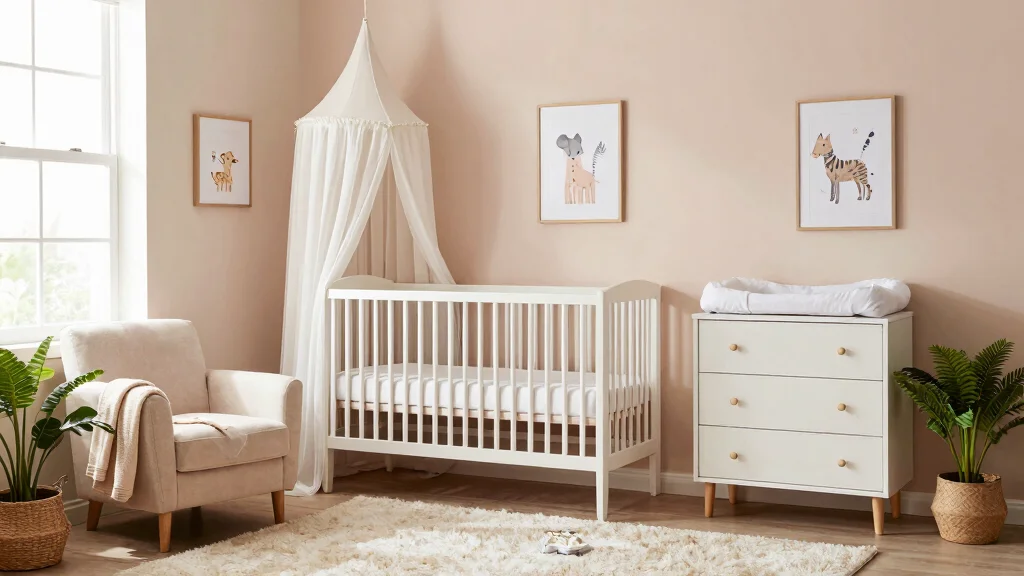
Sharing a room with your baby can feel like a daunting challenge. You want their space to be cozy and safe, but you also want it to fit seamlessly into your life. The art of nursery room design is about more than just aesthetics; it’s about creating a harmonious environment that meets both your needs and your baby’s. With the right ideas, you can transform your shared space into a sanctuary of comfort and functionality.
If you’re a new parent or about to welcome a little one, this post is for you. Juggling the demands of parenting while maintaining your personal style is no small feat. You care about making thoughtful choices, ensuring your baby has what they need, all while keeping the room feeling like home. I’ve gathered 15 sharing room with baby ideas that actually work, featuring tips on nursery room design, space-saving furniture, and cozy shared spaces that make this challenge enjoyable.
Get ready to find solutions that are practical, stylish, and perfect for crafting a space where both you and your baby can thrive. Whether you’re looking for multi-functional furniture or ways to organize baby essentials, these ideas will help you create a space that feels welcoming and functional. Let’s dive into these effective strategies and transform your shared room into a beautiful harmony of design and practicality.
Key Takeaways
– Space-Saving Cribs: Consider cribs that can fold or convert as your baby grows to make the most of your space. This helps keep the room organized and functional as your needs change.
– Dual-Purpose Changing Tables: Look for changing tables that double as dressers or storage units. This maximizes functionality while keeping everything you need for diaper changes within easy reach.
– Cozy Reading Nook: Create a small reading area with comfortable seating and a few shelves. This encourages bonding time while keeping the space inviting.
– Vertical Storage Solutions: Utilize wall space with shelves and hooks. This not only saves floor space but also keeps baby items accessible and organized.
– Creating Zones Within the Space: Designate specific areas for sleeping, playing, and feeding. This helps maintain order and allows both you and your baby to enjoy the space fully.
Recommended Products
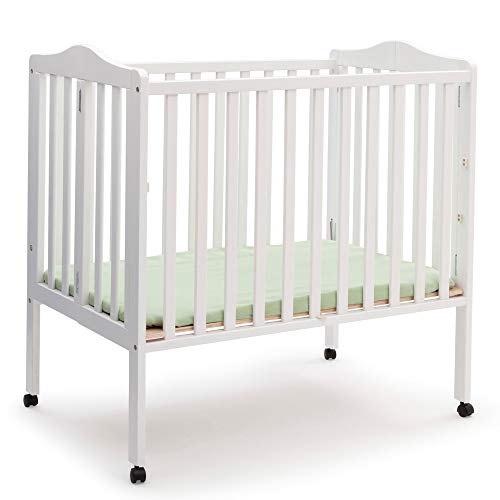
GREAT CRIB FOR SMALL SPACES OR TRAVEL: Crib includes casters for easy mobility; Folds flat for easy travel and storage; The included mattress (size: 37.5"L x 23.25"D x 1.5") stores right in the crib when folded
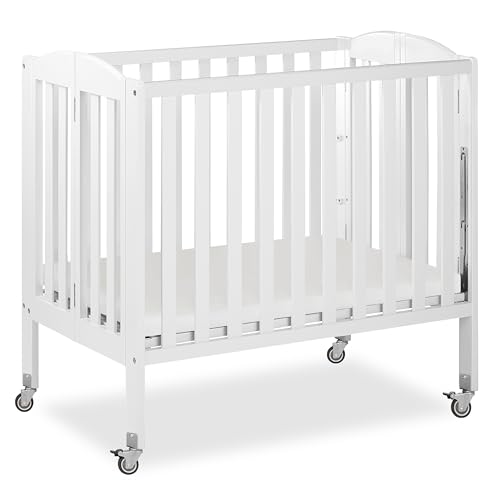
One Crib, Three Functions- The Dream On Me 3-in-1 Folding Portable Crib grows with your little one—serving as a crib, playpen, and changing station all in one. A practical and space-saving choice, it’s ideal for families, daycare centers, and grandparents’ homes.

PERFECT FOR SMALL SPACES & APARTMENTS - Fits perfectly in our small room” is exactly why parents choose this mini crib. Designed for apartments, shared spaces, and compact nurseries, it gives your baby a dedicated sleep area without overwhelming your space. Assembled size: 40" L x 26" W x 38" H—be sure to measure for the right fit.
1. Space-Saving Cribs
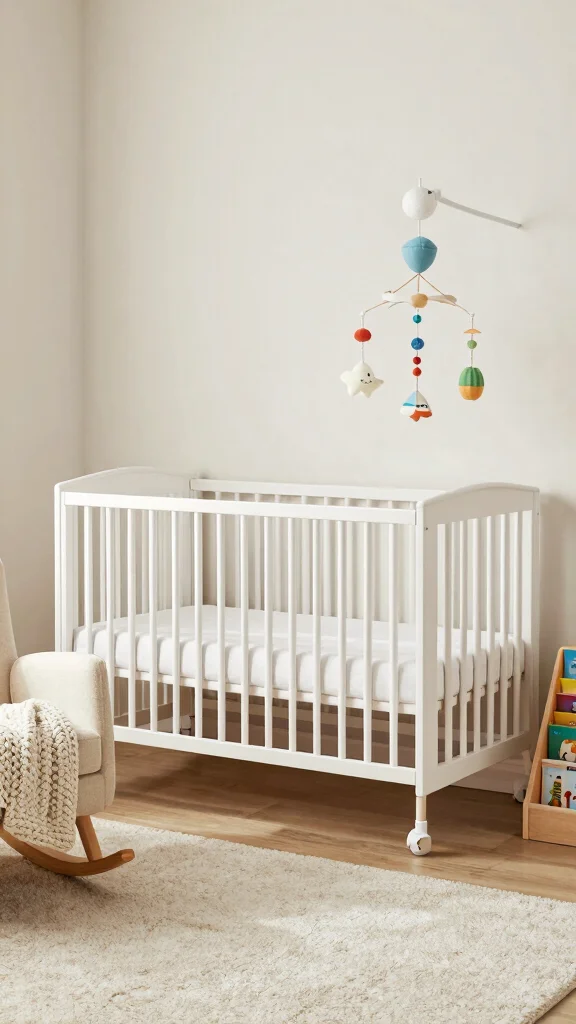
When designing a shared room with your baby, space-saving cribs become essential. These cribs come in various compact styles, fitting snugly into small areas while ensuring comfort for your little one. For instance, cribs with removable sides can transition into toddler beds, or ones that fold away allow for more floor space for other essentials like storage or seating.
Not only do these cribs maximize functionality, but they can also elevate the room’s aesthetics. Choose cribs in soft, neutral colors or sleek modern designs to create a harmonious look that complements your existing decor.
Consider these ideas to optimize your crib selection:
– Choose cribs with under-bed storage for added utility.
– Ensure they are convertible to grow with your child.
– Look for cribs that come with matching changing tables for a cohesive design.
These cribs blend style and practicality, contributing to a more organized and spacious environment.
Recommended Products

SAFETY FIRST: Oxford Baby Nursery Furniture is made to the highest safety standards set by the CPSC and ASTM; Our furniture endures rigorous testing by 3rd party labs to guarantee compliance with U.S. and C.A. safety standards

ONE CRIB THAT GROWS WITH YOUR FAMILY: From your baby's first bedtime to the big kid years, the Synergy converts from a crib to a toddler bed, daybed, and full-size bed with or without a footboard. Toddler guardrail, stabilizer, and full-size rails sold separately.
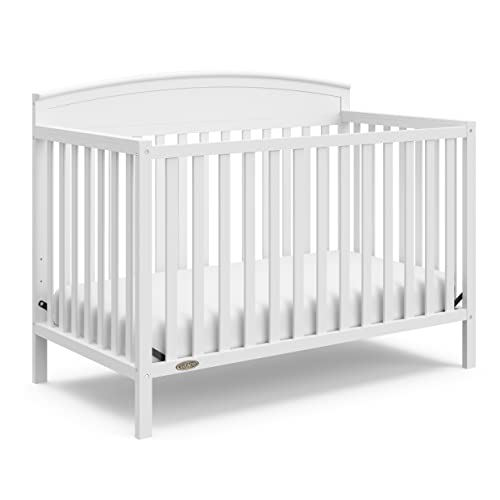
CLASSIC, STYLISH DESIGN— VERSATILE, EASY-TO-MATCH STYLE: The Benton features classic lines, stylish details, and an easy-to-match versatile design making it the perfect addition to any nursery
2. Dual-Purpose Changing Tables
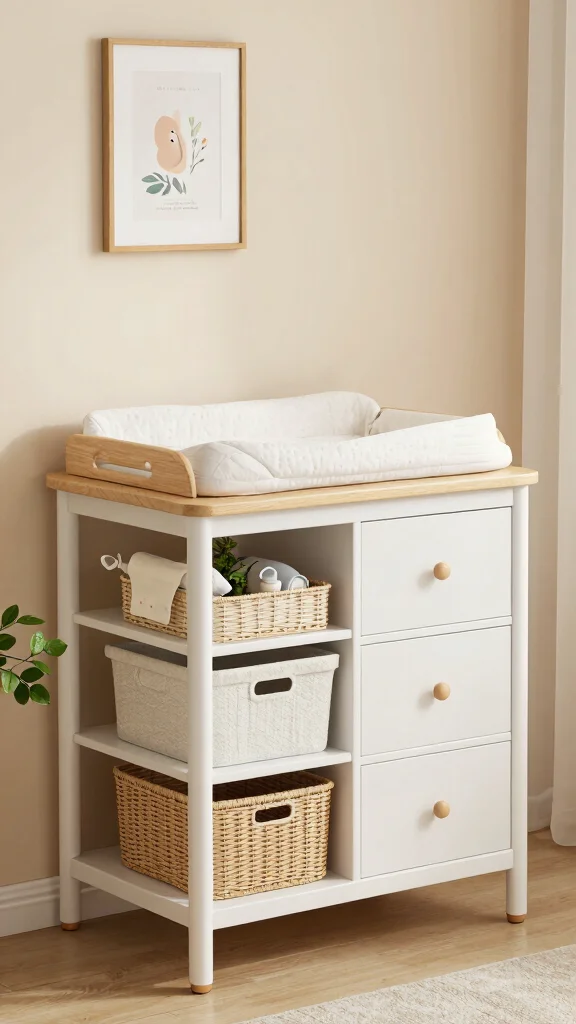
A dual-purpose changing table can transform your shared space. This versatile piece not only facilitates diaper changes but can also function as a stylish dressing table or extra storage. Opt for tables with built-in shelves or drawers to keep baby essentials neat and accessible while complementing your decor.
By incorporating an elegant changing table, you can elevate the room’s overall look. Personalize it with decorative baskets or a chic lamp to enhance its appeal further.
Maximize functionality with these tips:
– Use open shelving for quick access to baby items.
– Choose a table with a removable pad for easy maintenance.
– Consider designs that harmonize with your current furniture.
A well-crafted changing table can become a focal point in your nursery, merging style with practicality.
Recommended Products

Patent Design and Safety Materials: USPTO Patent: 30002657 Approved and BOLUO baby dresser are tested at third-party,accredited laboratories to meet or exceed all applicable category voluntary and mandatory safety standards
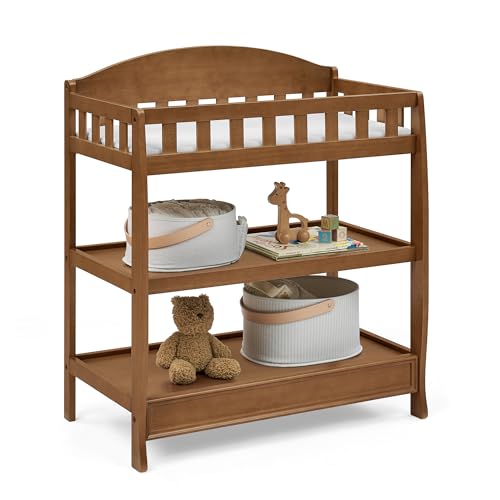
VERSATILE STORAGE: This changing table features two shelves below a safe and secure changing area, to store all your baby changing needs | Changing pad 16"W x 33"L x 1" Included | Safety strap included

Patent Design and Safety Materials: USPTO Patent Approved and BOLUO baby dresser are tested at third-party,accredited laboratories to meet or exceed all applicable category voluntary and mandatory safety standards
3. Cozy Reading Nook
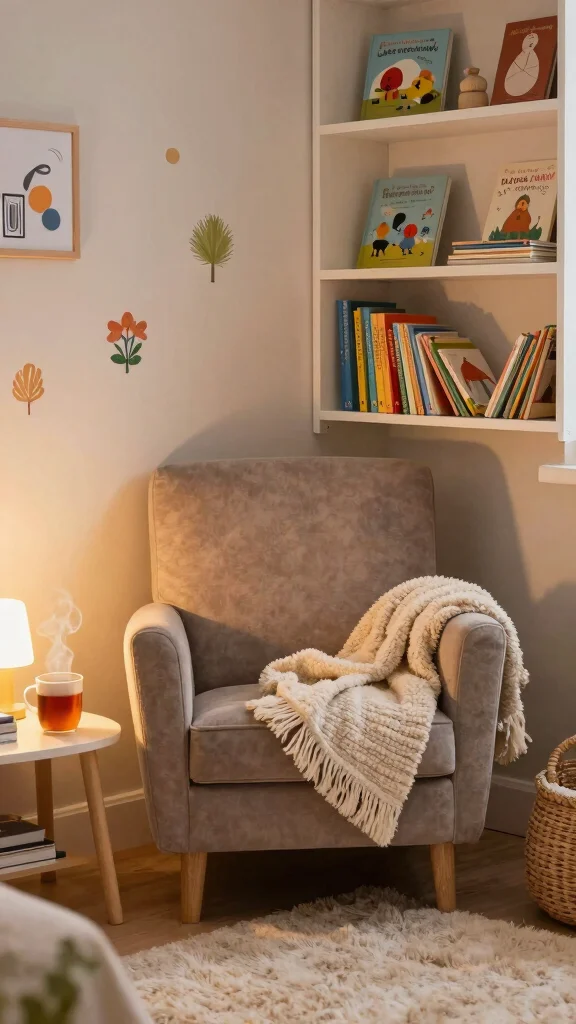
Creating a cozy reading nook in your shared room offers a serene spot for bonding with your baby. This area can feature a comfortable armchair or a soft bean bag, perfect for storytime cuddles. Add a small bookshelf with your favorite children’s books alongside some of your own, and use soft lighting to enhance the atmosphere.
Incorporate plush cushions and a throw blanket for extra comfort. You might also consider a small side table for your coffee or tea during reading sessions.
Enhance your nook with these ideas:
– Choose floor cushions or poufs for flexible seating.
– Utilize wall-mounted shelves to save space.
– Make it sensory-rich with colorful, textured book covers.
This inviting nook not only fosters a love for reading but also serves as a calming sanctuary for both parent and child.
Recommended Products

Ample Storage Space: 4-tier bedroom storage measures 42.5"x 13.8"x 5.5". Features 4 roomy pockets and 6 mesh side pockets. The see-through mesh on each pocket ensures you find what you need effortlessly

Sorbus Corner Wall Shelf: This floating vertical wall shelf unit is ideal for showcasing your favorite books and keepsakes in any space. Featuring five square shelves and two clothing hooks, this storage organizer is designed to maximize space and elevate blank wall space.

EXQUISITE NURSERY BOOKSHELF: This bookshelf features a vivid combination of wave and hook shapes, and is the latest exterior design by our professional team. It not only has an exquisite and elegant appearance, but also adds the functionality of a children's bookshelf, which children will love very much.
4. Multi-Functional Furniture
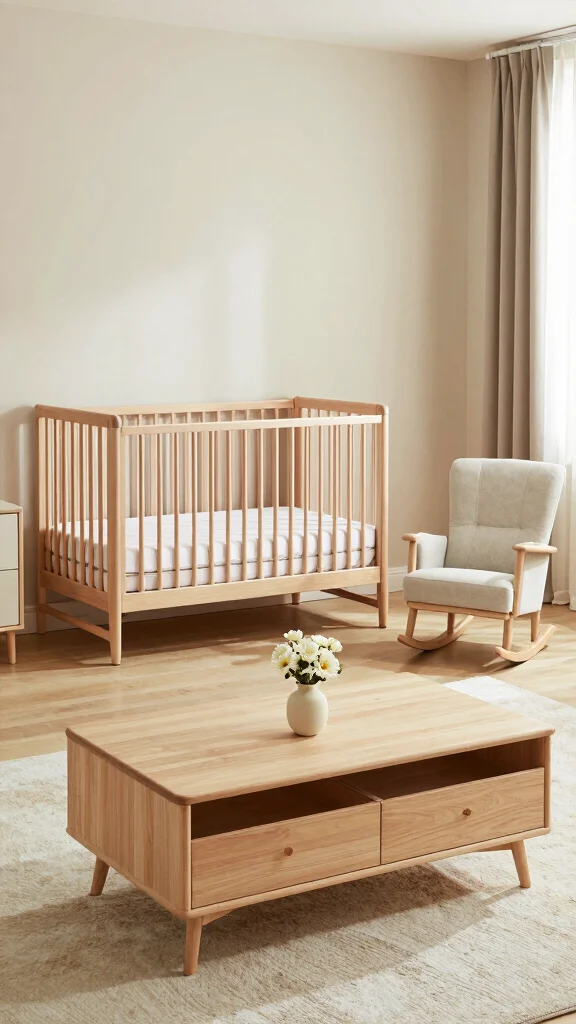
Investing in multi-functional furniture is a smart way to maximize your nursery space. Look for items that serve dual purposes, like cribs that convert into toddler beds or ottomans that double as toy storage. These pieces not only save space but also help keep the room organized and stylish.
When choosing furniture, aim for styles that complement each other to maintain a cohesive look. You can mix and match different styles to create a unique atmosphere that reflects your taste.
Consider these additions:
– Incorporate a convertible rocking chair that serves as a regular chair later.
– Choose a coffee table with hidden compartments for essentials.
– Look for cribs with attached changing areas for streamlined use.
Multi-functional furniture can beautifully optimize your shared room while ensuring both functionality and style.
Recommended Products

【Comfort and Relaxation】 This nursery rocking chair features a 6.3-inch thick high-density foam seat cushion that is soft and supportive, making it ideal for extended reading, watching TV, browsing phone, napping, or knitting. Combined with a scientifically designed gentle rocking frequency, it helps to soothe the baby to sleep in your arms, relieve postpartum anxiety, or alleviate work stress. Note: Cushion is vacuum-compressed; fluffs to 80% in 1-2 hours, full in 24h.

2-in-1 Kids Chair:Featuring a versatile fold-out design, this kids chair easily transforms in seconds to adapt to different seating needs. Thoughtfully designed for comfort and flexibility, it offers a cozy and inviting seating experience for everyday use
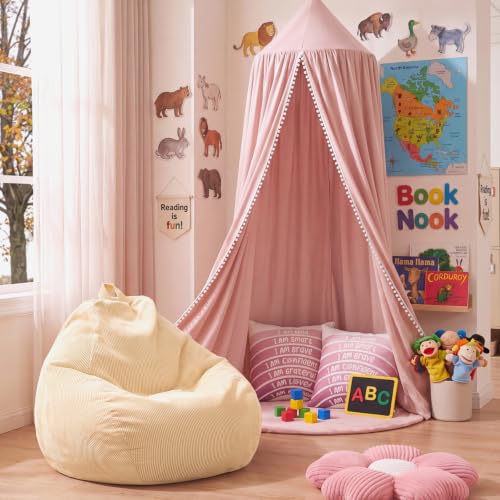
Complete Reading Corner Decorating Kit: this Reading Corner set provides everything needed to create a dedicated reading space, Ideal for back-to-school home and classroom upgrades, this all-inclusive kit contains 1 kids bed canopy, 1 beanbag chair cover, 2 printed cushion covers and 1 floral cushion; It streamlines decoration work with cohesive styling, letting you build warm personalized reading nooks effortlessly for daycare, playrooms and kindergarten classrooms
🏡 Transform Your Space Effortlessly
Unlock the secrets to designing a stunning nursery that blends seamlessly with your home decor style.
5. Vertical Storage Solutions
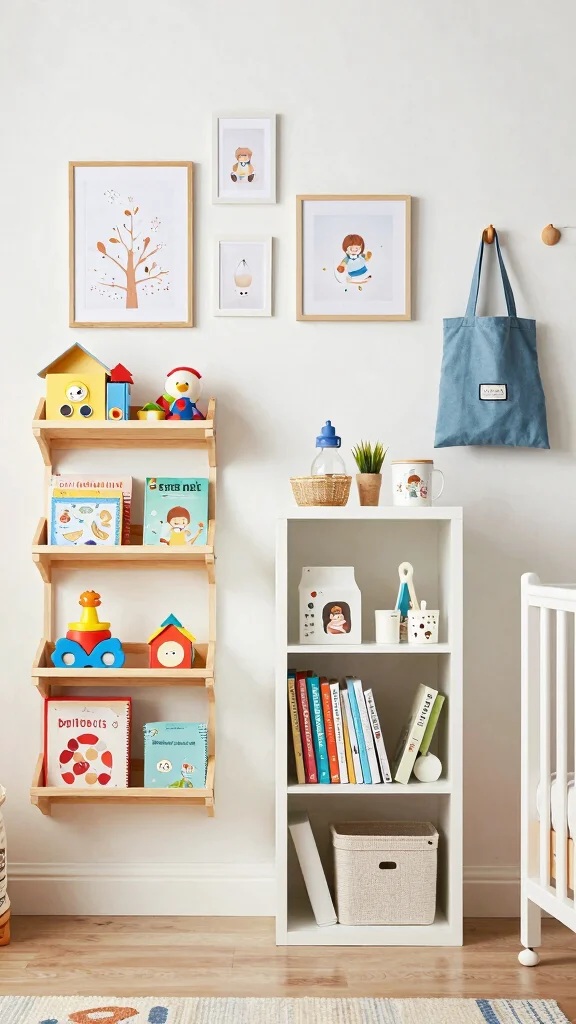
Utilizing vertical storage can dramatically free up floor space in your shared room. Consider options like wall-mounted shelves, hanging organizers, or tall bookshelves to expand your storage possibilities. These solutions not only maximize space but also add a decorative touch to your nursery.
Incorporate stylish baskets or bins on shelves to neatly store toys, books, and baby essentials while keeping them within reach. This approach helps maintain a clean and tidy environment that aligns with your decor.
Enhance your storage with these ideas:
– Use decorative labels on baskets for easy identification.
– Create a gallery wall with framed pictures and shelves.
– Incorporate hooks for bags or clothing, boosting organization.
Vertical storage can transform your shared room into an organized oasis while remaining visually appealing.
❝ Fun fact: Vertical storage can reclaim up to 40% of floor space in a sharing room with baby, making it easier to move, play, and nap. Wall-mounted shelves and tall bookcases keep toys and baby essentials within reach, while still feeling stylish. ❞
Recommended Products

PERFECT FOR SMALL SPACES & APARTMENTS - Fits perfectly in our small room” is exactly why parents choose this mini crib. Designed for apartments, shared spaces, and compact nurseries, it gives your baby a dedicated sleep area without overwhelming your space. Assembled size: 40" L x 26" W x 38" H—be sure to measure for the right fit.

GREAT CRIB FOR SMALL SPACES OR TRAVEL: Crib includes casters for easy mobility; Folds flat for easy travel and storage; The included mattress (size: 37.5 Inches L x 23.25 Inches D x 1.5 Inches ) stores right in the crib when folded

FULL SIZE COMFORT THAT FITS EVERY HOME - Give your baby the comfort of a full-size crib with room to rest and grow—without taking over your space. Assembled size: 53" L x 31" W x 46" H—measure to ensure the right fit.
6. Thoughtful Color Schemes
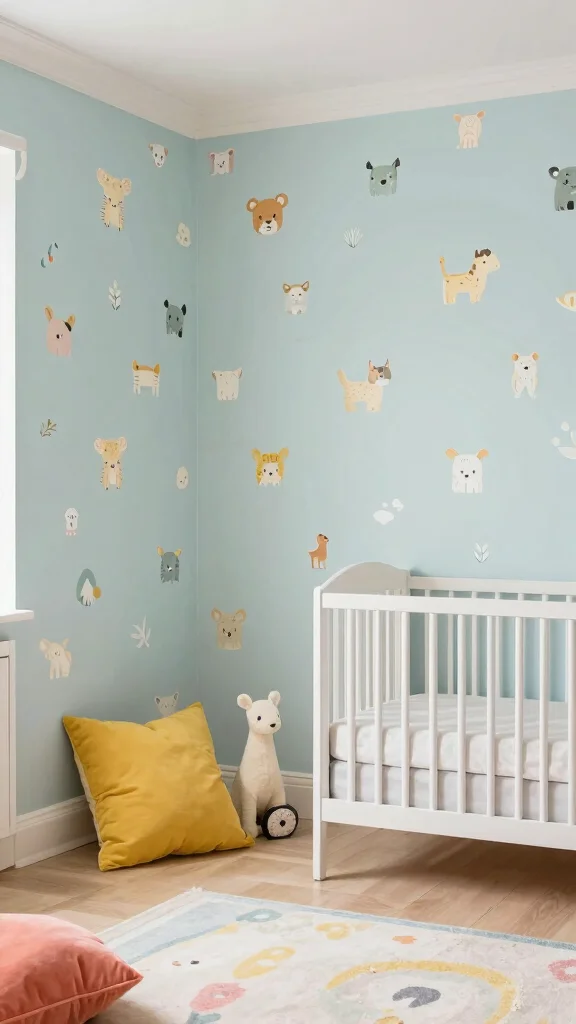
Choosing a thoughtful color scheme sets the tone for your shared room. Soft pastels or neutral tones can create a calming environment for both you and your baby. Add pops of color through accessories like cushions, wall art, or toys to maintain a serene background while injecting character.
Colors greatly influence mood—blues and greens evoke calmness, while yellows and coral can bring cheerfulness. You could dedicate one wall to a feature color or wallpaper to enhance visual interest without overwhelming the space.
Explore these color strategies:
– Experiment with accent walls for depth.
– Use removable wallpaper for style flexibility.
– Incorporate color through textiles like curtains and rugs.
A well-planned color scheme can elevate the vibe of your nursery, making it feel warm and inviting.
Recommended Products

SAFETY FIRST. ALWAYS. - This crib is JPMA Certified to meet or exceed all safety standards set by the CPSC and ASTM. All of our products are tested by 3rd party labs for lead and other toxic elements to meet or exceed CPSC and ASTM safety standards

ONE CRIB THAT GROWS WITH YOUR FAMILY: From your baby's first bedtime to the big kid years, the Synergy converts from a crib to a toddler bed, daybed, and full-size bed with or without a footboard. Toddler guardrail, stabilizer, and full-size rails sold separately.

5-IN-1 CONVERTIBLE CRIB: Converts from baby crib (mattress sold separately) to toddler bed (toddler guardrail sold separately), daybed, and full-size bed with headboard & optional footboard (conversion kit sold separately); Assembly required
7. Incorporating Personal Touches
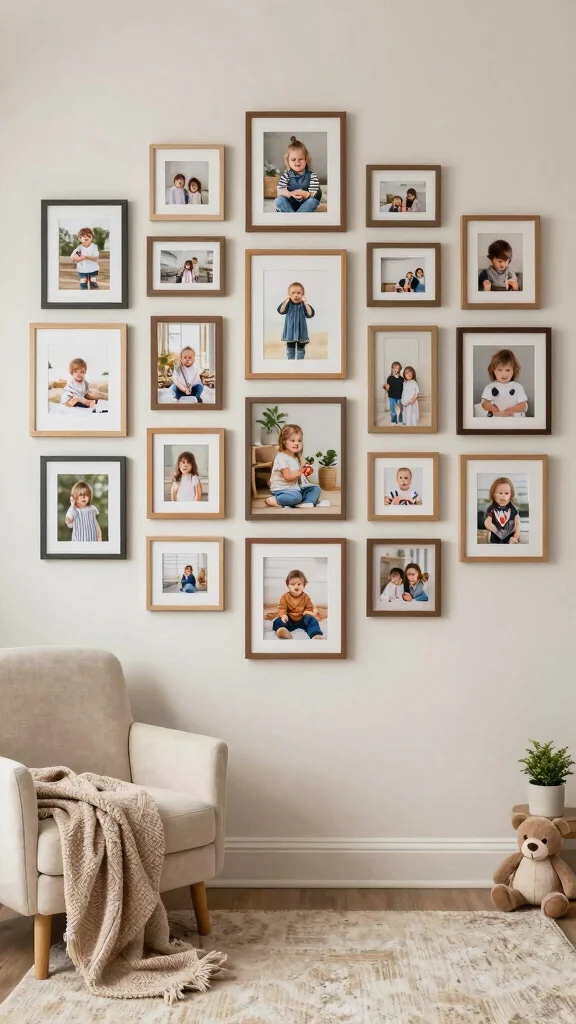
Adding personal touches to your shared space creates a welcoming atmosphere. Whether it’s family artwork, cherished baby items, or framed photos, these elements infuse character and warmth into the nursery. Hang wall art that resonates with your style or incorporate sentimental pieces that tell your story.
Consider a decorative gallery wall showcasing family milestones, special moments, or your baby’s growth. This personal flair makes your space unique and delightful for both you and your little one.
Implement these ideas for personalization:
– Use uniform frames for a cohesive gallery.
– Mix artwork with personal photos for variety.
– Use shadow boxes to display keepsakes like baby shoes.
Personal touches foster a loving environment, making the shared room feel truly special.
Recommended Products

CHANGE DIAPERS ANYTIME / ANYWHERE - Use this light-weight baby changing basket (30" x 16" x 5.5"H, 4.5lb) in any room at home, or fold it up and take it to grandma's, the babysitter's, camping, or traveling in the car. Baby will be more comfortable with a little bit of home wherever you go - and a happy baby means less hassle at changing time!

【Heavy-Duty & Stable Construction – Engineered for Safety and Durability】Built with a reinforced heavy-duty steel frame, this sturdy changing table stays solid and wobble-free even when your little one moves around. The non-slip& level adjustable feet enhance floor grip and prevent accidental shifting. Meets strict safety stability standards for baby furniture, giving you peace of mind that this stable diaper changing station is as secure as it is functional.

Strong and sturdy wood construction
You might also like
Dimensions & Size Guide
Standard Sizes & Measurements:
When sharing a room with your baby, understanding the dimensions of key furniture pieces is essential. Here are some common sizes to consider:
1. Cribs: Most standard cribs measure approximately 28 inches wide by 52 inches long. Make sure you have at least 4-6 feet of space around the crib for safe access and movement.
2. Changing Tables: These usually come in sizes around 36 inches wide and 20 inches deep. Allocate at least a 2-foot clearance in front for easy changing and access to supplies.
3. Dressers: Standard dressers are about 30-36 inches high, 18-20 inches deep, and 30-60 inches wide. Ensure there’s enough space to open drawers fully without obstruction.
4. Rocking Chairs or Gliders: These pieces typically require a footprint of about 36 inches by 36 inches. Consider the space needed to rock back and forth without hitting adjacent furniture.
5. Storage Units: Vertical shelves are great for saving floor space. Look for units at least 60 inches tall and 18 inches wide, ensuring a stable base.
Quick Reference Table:
| Size/Dimension | Best for: | Minimum space needed: |
|---|---|---|
| Crib: 28″ x 52″ | Safe sleeping area | 4-6 feet clearance around |
| Changing Table: 36″ x 20″ | Diaper changes | 2 feet in front |
| Dresser: 30″-36″ H, 18″-20″ D | Baby clothes storage | Space for drawer access |
| Rocking Chair: 36″ x 36″ | Feeding and soothing | Room to rock safely |
| Vertical Storage: 60″ H, 18″ W | Maximizing floor space | Stable base required |
Space Planning Tips:
1. Measure Twice, Place Once: Before purchasing any furniture, measure your room and the items you’re considering. This will help you visualize how everything fits together.
2. Use Tape to Visualize: Lay down tape on the floor where you plan to place furniture. This helps you see how much space it will actually take up and allows for adjustments.
3. Avoid Clutter: Keep the room organized and don’t overcrowd it with furniture. Aim for a clean, open space where you can move comfortably.
4. Think About Flow: Consider how you’ll navigate the room with a baby in your arms. Ensure there’s enough space to walk around without bumping into furniture.
5. Common Mistakes: People often forget to account for the swing of doors or drawers. Measure these areas to avoid any surprises after your furniture arrives.
Pro Tip: The most important measurement to consider is the crib’s clearance space. You need at least 4-6 feet around the crib for safe access, ensuring you can easily attend to your baby at all times. This space not only promotes safety but also allows for ease of movement in your shared room.
Recommended Products

6-Shelf Over The Door Organizer: The 6 tiers clear hanging storage door organizer has an extra-large size, 60"(L) x 15.2"(W) x 6.8"(H), with a maximum load capacity of 50lb. contains 6 extra large clear pockets and 12 side pockets, providing plenty of space for organization and storage.

【34 INCHES LARGE SHELF】:Overall Size is 34×4×5 inches, comes in a set of four well-designed floating shelves! This extra large wall shelf can provide enough space for your books, toys ,candles, and other small items at home.

ATTENTION: THE PRODUCT PAGE HAS UPLOADED A COMPLETE INSTALLATION VIDEO. INSTALLING ACCORDING TO THE VIDEO WILL BE FASTER.
8. Soft Lighting Options
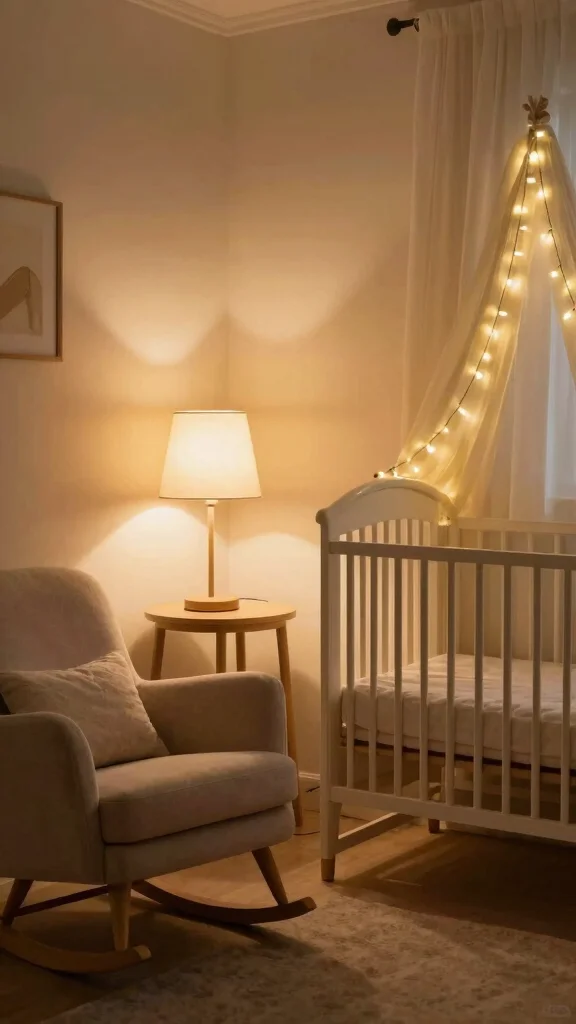
Soft lighting can significantly enhance the atmosphere of your shared room, creating a serene environment for both you and your baby. Instead of harsh overhead lights, opt for warm, ambient options that can be adjusted for various times of the day. Consider adding a dimmer switch or incorporating table and floor lamps with soft shades.
String lights or fairy lights can introduce a whimsical touch when placed around the room or above the crib. Night lights are also ideal, providing just enough illumination for late-night feeds or diaper changes without disturbing your baby.
Enhance your lighting with these tips:
– Choose lamps with adjustable brightness for flexibility.
– Use warm-colored bulbs to maintain a cozy atmosphere.
– Layer multiple light sources for rich lighting effects.
Soft lighting not only elevates the room’s aesthetic but also fosters a calming space for relaxation and sleep.
Soft lighting makes a sharing room feel calm—it’s easier to adapt through night feeds and daytime tasks. Use warm LEDs, dimmers, and a string of fairy lights to create cozy zones in the sharing room with baby.
Recommended Products

Kids Bean Bag Chair with 2 Pillows: Experience ultimate comfort and relaxation with our bean bag chair with pillows. The two pillows provide extra support for kid's back and butt, enhancing your lounging experience. Whether you're lounging, reading, or watching TV, this bean bag chair offers a cozy and inviting place to unwind

Complete Reading Corner Decorating Kit: this Reading Corner set provides everything needed to create a dedicated reading space, Ideal for back-to-school home and classroom upgrades, this all-inclusive kit contains 1 kids bed canopy, 1 beanbag chair cover, 2 printed cushion covers and 1 floral cushion; It streamlines decoration work with cohesive styling, letting you build warm personalized reading nooks effortlessly for daycare, playrooms and kindergarten classrooms

9. Playful Decor Elements
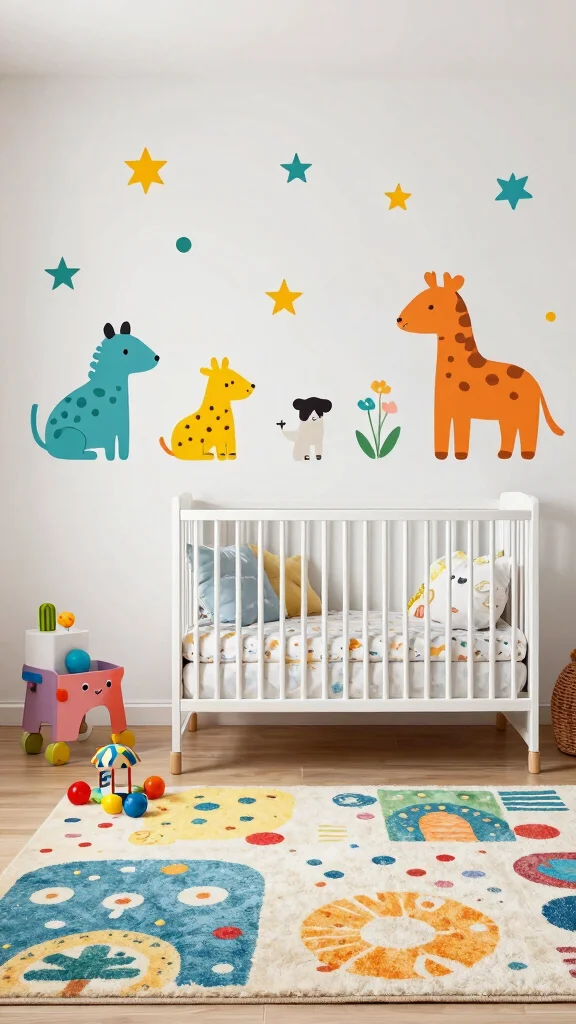
Incorporating playful decor can add vibrancy to your shared room without overwhelming it. Select decor items that bring charm and whimsy, such as colorful wall decals, fun bedding, or unique rugs. These elements reflect your baby’s personality and create a joyful area for everyone.
While maintaining a cohesive design, use playful decor to create eye-catching focal points. A vibrant mural on one wall can serve as a stunning centerpiece that ties the room together beautifully.
Consider these playful decor ideas:
– Look for items that grow with your child, like themed bedding.
– Mix fun decor with elegant touches for balance.
– Use playful designs in practical items, like storage bins.
Playful decor can enliven your shared space, making it a delightful environment for both parent and baby.
10. Functional Baby Closet Organization
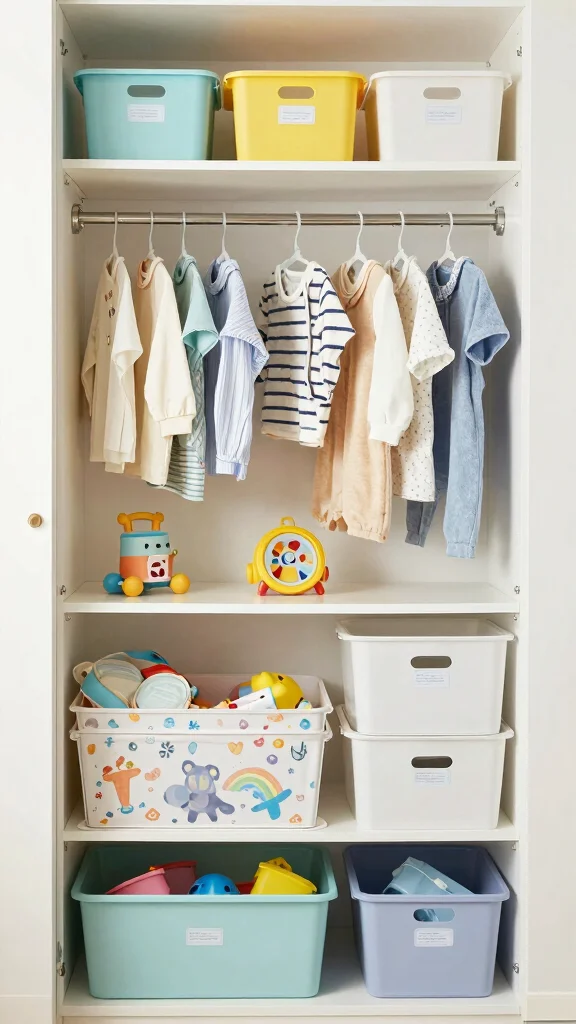
An efficiently organized closet can greatly enhance your shared room’s functionality. Invest in closet organizers to make full use of every inch, from hanging rods to shelf dividers. Utilize decorative bins and baskets to categorize clothes, toys, and baby essentials.
Add labeled boxes for quick access, keeping everything neat and simplifying your daily routine. Clear containers can also help you swiftly find items during busy days.
Enhance your closet organization with these tips:
– Utilize vertical space with multi-tiered shelving.
– Implement a rotation system for clothes to maintain order.
– Designate a section for frequently used items, like diapers.
Functional closet organization is essential for a clutter-free nursery, making life smoother for both you and your little one.
11. Stylish and Soft Rugs
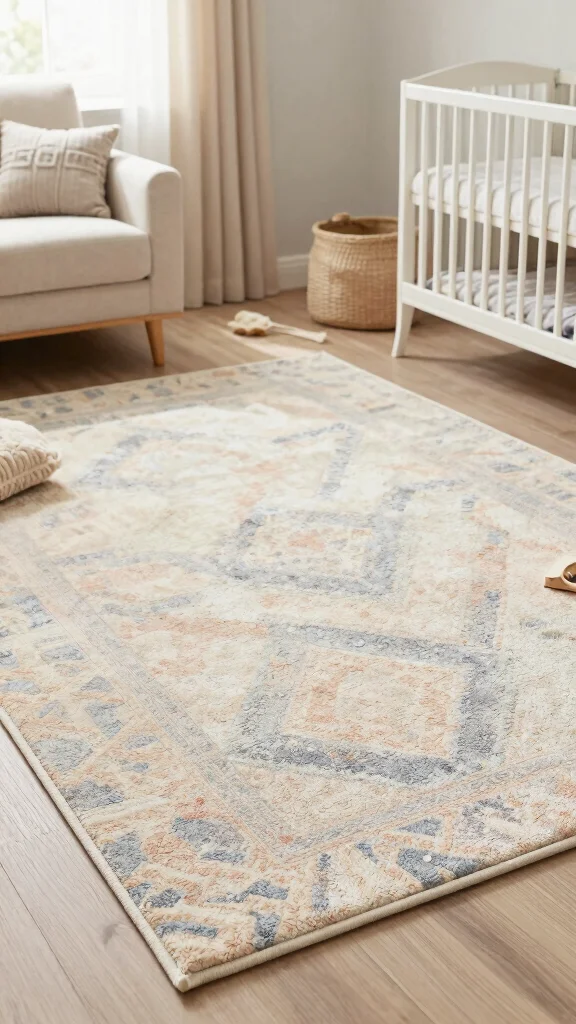
A soft area rug can elevate your shared space, offering comfort for both playtime and relaxation. Choose rugs that are stylish yet functional, with textures that are easy to clean. Rugs can define different areas within the room, creating a cozy play space or a comfy reading nook.
Look for rugs with playful patterns or soft colors that blend with your overall design while adding warmth. Natural fibers like cotton or durable materials like polypropylene are ideal for high-traffic areas, ensuring longevity.
Incorporate these rug ideas:
– Opt for machine-washable rugs for easy upkeep.
– Layer rugs for added texture and depth.
– Use non-slip materials to ensure safety for your baby.
Stylish and soft rugs enhance the comfort and aesthetic of your shared room, making it an inviting space for both you and your little one.
12. Minimalist Design Elements
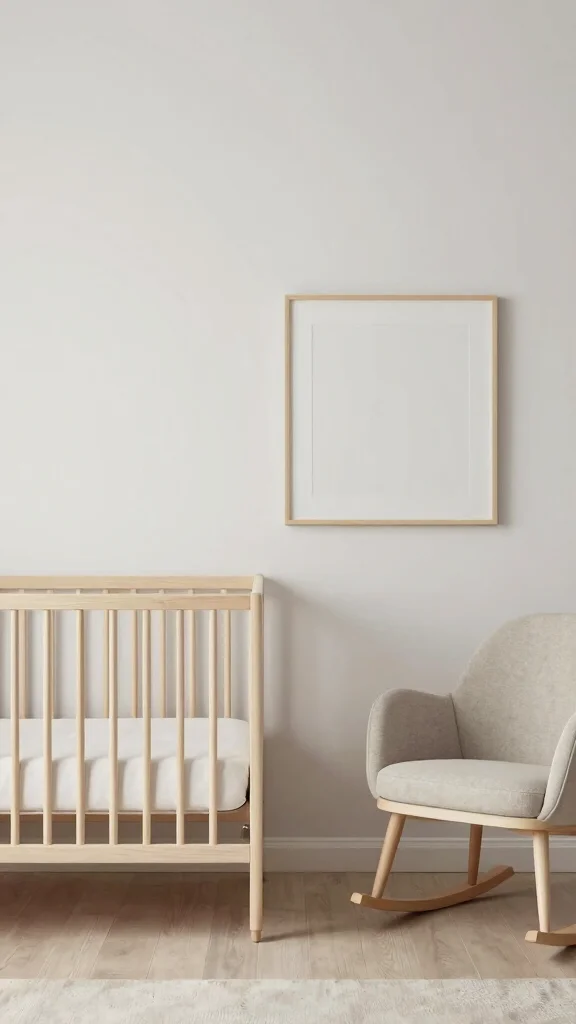
Embracing minimalist design can help your shared nursery feel spacious and serene. Focus on a few key pieces of furniture and decor, emphasizing quality over quantity. A clean, clutter-free aesthetic not only promotes relaxation but also simplifies maintenance.
Incorporate minimalist elements like simple lines, neutral colors, and natural materials. This approach allows for an airy feel, making it an excellent choice for those who prefer a sophisticated yet functional nursery.
Implement these minimalist strategies:
– Limit decorative items to a few focal pieces.
– Use multi-functional furniture to reduce visual clutter.
– Keep baby essentials neatly stored away for a clean look.
Minimalist design elements foster a peaceful environment, helping everyone feel relaxed and content.
Fun fact: a minimalist nursery with a few key pieces can cut daily clutter by 40% and speed up morning routines. Neutral colors and simple lines keep the sharing room with baby serene, easier to clean, and ready for whatever the day brings. Less is more.
You Might Also Like

13. Smart Technology Integration
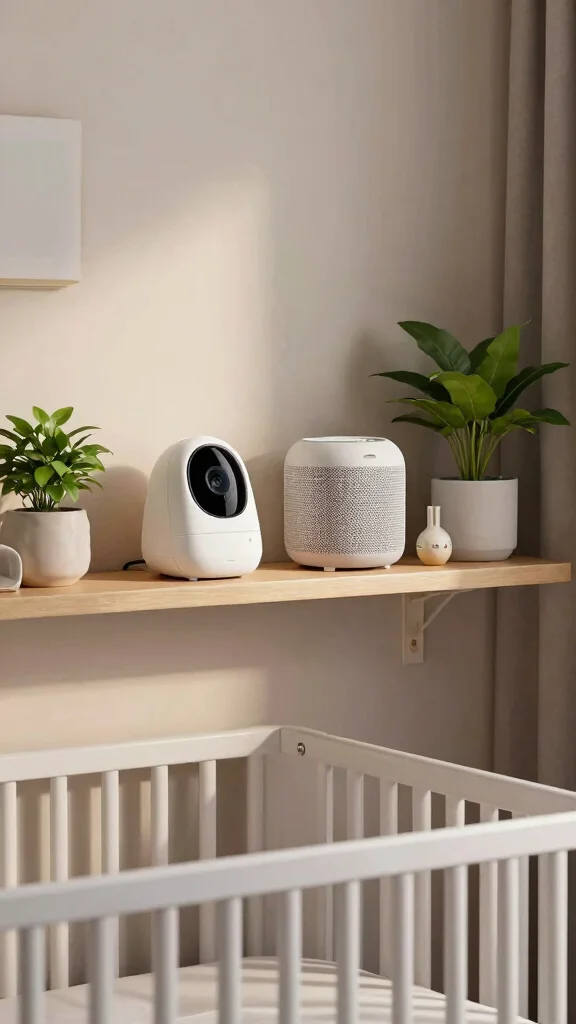
Incorporating smart technology can significantly enhance your nursery experience. Devices like smart monitors and automatic night lights improve your daily routine while ensuring your baby’s comfort. Seek out smart features that integrate seamlessly into your decor without being intrusive.
Smart speakers can play soothing music or white noise, creating a restful environment while allowing control over lights or temperature through voice commands. This technology simplifies life for parents while maintaining a warm, cozy atmosphere.
Consider these smart technology ideas:
– Opt for devices that are easy to operate and visually pleasing.
– Choose smart solutions that blend with your existing decor.
– Ensure security features are in place for peace of mind.
Smart technology can elevate your nursery experience, making it more efficient and enjoyable for both you and your baby.
14. Creating Zones Within the Space
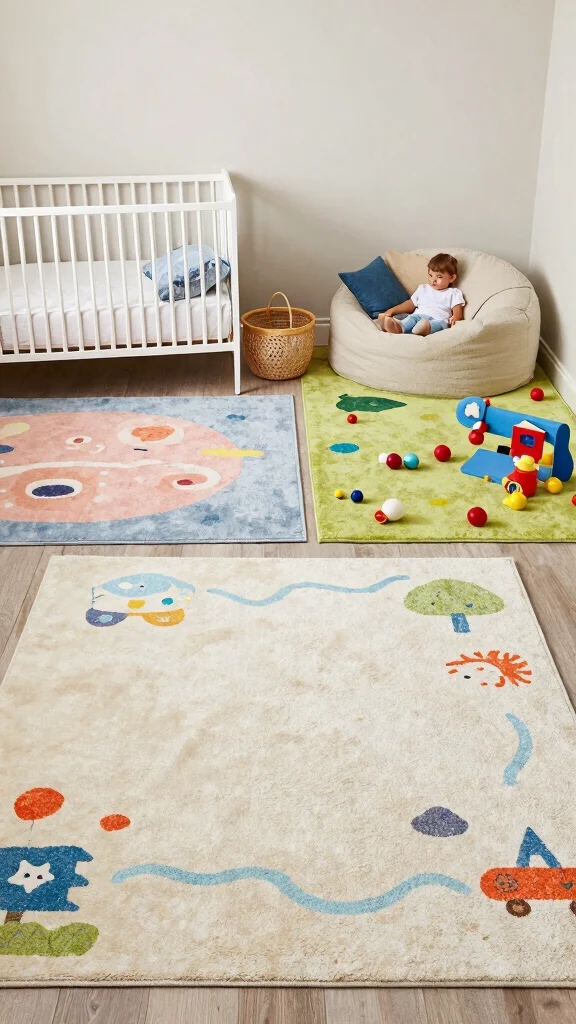
Dividing your shared room into distinct zones can enhance its functionality and organization. Think about creating a sleep area, play zone, and a cozy corner for reading or relaxing. Using rugs to delineate these spaces can help define each area while keeping it cohesive.
Each zone can be tailored to its specific purpose, making transitions smoother for both you and your baby. This layout maximizes available space while improving the overall flow of the room.
Use these zoning strategies:
– Utilize furniture placement to define areas without barriers.
– Incorporate decor that aligns with each zone’s purpose.
– Ensure each space is easily accessible for fluid movement.
Creating zones within your shared room can enhance organization and functionality, enriching the experience for both parent and baby.
15. Family-Friendly Design
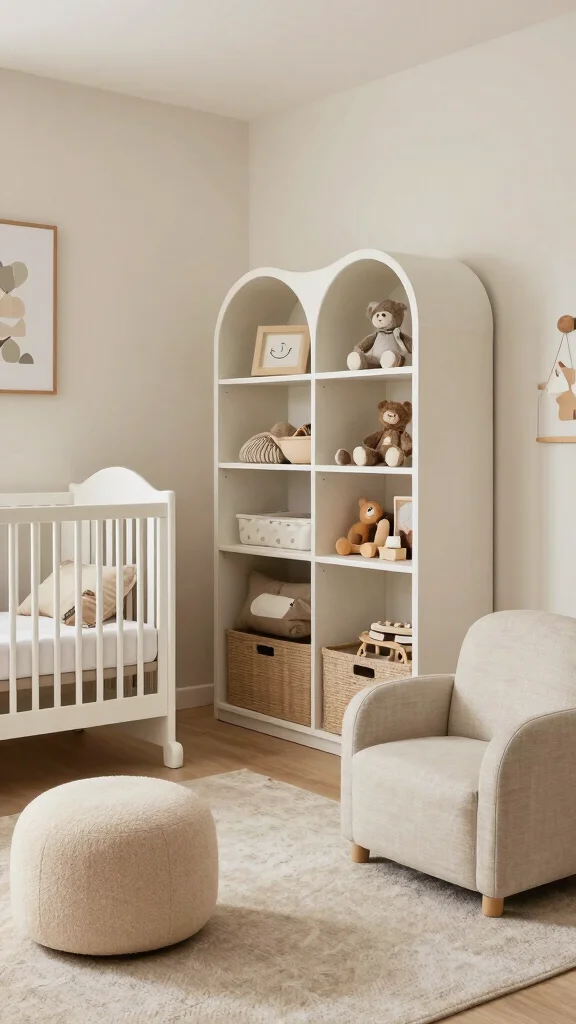
Designing a family-friendly space means considering everyone’s needs in the shared room. Think about how the area can evolve as your baby grows—select items that adapt over time. Prioritize durability and easy cleaning, especially with fabrics and materials.
Family-friendly designs incorporate features that cater to your baby’s needs while remaining stylish enough for you. Choose furniture with rounded edges for safety, and opt for washable fabrics for effortless upkeep. This approach creates a welcoming and functional environment for the whole family.
Implement these family-friendly tips:
– Look for slipcovers or machine-washable materials.
– Select durable flooring like laminate or soft carpets.
– Ensure easy access to toys and essentials for everyone.
A family-friendly design fosters a nurturing environment that adapts with your family while staying stylish and functional.
Conclusion
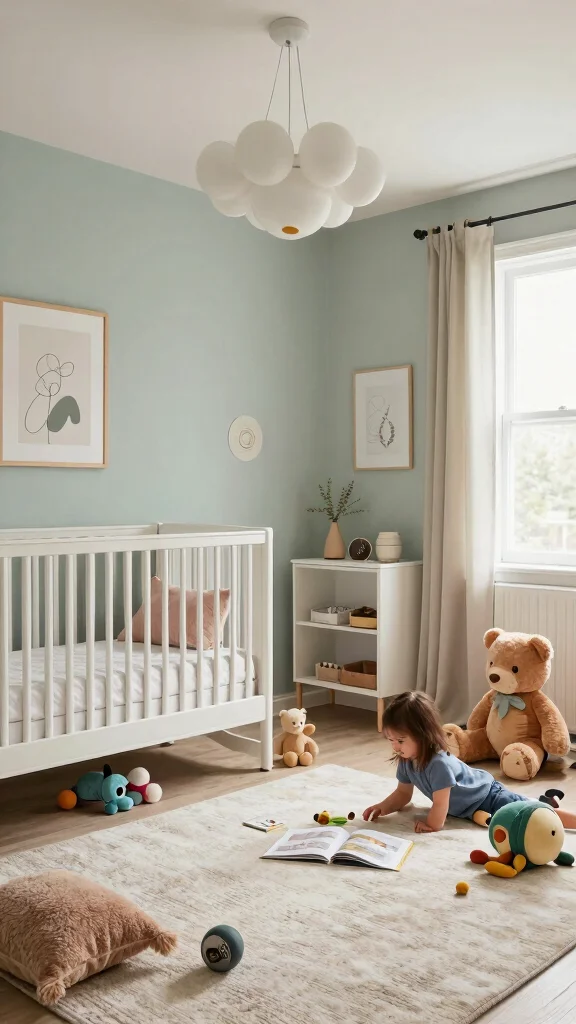
Sharing a room with your baby doesn’t have to be a compromise on style or functionality. With thoughtful design choices, you can create a harmonious environment that caters to both your needs. From multi-functional furniture to playful decor, each idea contributes to a comforting and efficient shared space. Remember, the goal is to cultivate a loving atmosphere that nurtures both you and your little one on this incredible journey together. Embrace the possibilities and let your creativity flow in this special space.
Frequently Asked Questions
How can I design a sharing room with baby and parent without sacrificing comfort?
Start by defining two zones in your sharing room with baby: a restful baby area and a cozy adult corner. Use nursery room design that feels cohesive for both, with dual-purpose decor and space-saving furniture that grows with your family. Consider a crib with built-in drawers, a dresser that doubles as a changing station, and a compact glider that stays comfortable as your baby grows. Add soft lighting, a unifying color palette, and smart storage to keep baby room organization simple and the space feel like cozy shared spaces.
What space-saving furniture works best when sharing room with baby?
Look for pieces that multitask: a crib with drawers, a wall-mounted changing station, a dresser that doubles as a changing table, and a compact rocking chair or accent seat. Embrace vertical storage with tall shelves and labeled baskets, and choose modular furniture that can reconfigure as your child grows. Always prioritize safety, easy cleaning, and accessibility for both you and baby.
How can I keep baby room organized in a shared space?
Create a simple kingdom of order in your sharing room with baby by designating a dedicated baby zone for diapering, sleep, and essentials, all within easy reach. Use labeled bins, clear containers, and a rolling cart for changing supplies. Store bulky items in the closet with sturdy organizers and rely on space-saving furniture to hide clutter. Do a quick 5-minute daily reset to maintain nursery room design aesthetics and calm.
What are practical decor ideas for cozy shared spaces in a nursery?
Choose dual-purpose decor that adds warmth and function. Think a soft area rug that unifies zones, warm lighting, and blackout curtains to support sleep for both baby and parent. Pick wall art with colors that suit adults and baby, and use floating shelves for display plus extra storage. A comfortable chair or ottoman can serve as a reading nook for you and a welcoming spot for guests, all while keeping the room cohesive.
How can I ensure safety and sleep quality in a room shared by baby and parent?
Prioritize safe sleep and a calm environment in your sharing room with baby: use a firm, flat sleep surface; keep the crib free of loose blankets, pillows, and stuffed items; position the crib away from windows and cords; and add a white-noise machine to reduce disturbances. Keep night lights warm and non-distracting, and store cords and small objects out of reach. A reliable baby monitor helps you stay connected without constantly entering the room, supporting both you and baby’s sleep quality.
Related Topics
home decor
nursery design
space-saving furniture
baby room organization
cozy shared spaces
dual-purpose decor
minimalist nursery
family-friendly design
beginner tips
budget-friendly decor
small living solutions
functional decor