

Creating a serene and functional baby room can feel overwhelming, but it doesn’t have to be. As a parent, you want a space that is not only beautiful but also nurturing for your little one. That’s why I created this post—because a Montessori baby room can beautifully merge aesthetics with practical design, embracing your child’s natural curiosity while ensuring a calm environment. By integrating Montessori principles, you can foster independence and creativity in your infant while maintaining a soothing atmosphere.
If you’re a new parent or someone looking to refresh a nursery, this guide is for you. You likely care about creating a safe haven for your baby where they can learn and grow. You want a space that reflects your values while being functional for everyday use. Whether you’re going for a minimalist touch or looking to add cozy elements, these 18 Montessori baby room ideas will inspire you to craft a space that nurtures calm and functionality, catering to your baby’s needs and your own style.
In this blog post, you’ll find actionable tips for designing a Montessori baby room that feels inviting and purposeful. From choosing calming color palettes to selecting child-friendly organization methods, you’ll discover ways to create a nurturing environment. Each idea is designed to be practical, ensuring that you can implement them without added stress. Let’s dive into these ideas and create a calm space that both you and your baby will adore.
Key Takeaways
– Use soft, calming colors for the walls to create a peaceful atmosphere that encourages relaxation and focus.
– Choose functional Montessori furniture that promotes independence, allowing your child to explore and interact with their surroundings safely.
– Keep the floor space open to encourage movement and play, making it easier for your baby to crawl, walk, or simply enjoy their surroundings.
– Incorporate natural materials in decor and furniture, as they provide a warm and inviting feel while being safe for your baby.
– Establish a cozy reading nook or sensory area to stimulate your baby’s senses and promote early learning through exploration and discovery.
Recommended Products

Multifunctional Kids Furniture: Inspired by Montessori principles, our weaning table and chair set extends beyond mealtimes to become a versatile activity hub for drawing, play, and learning.
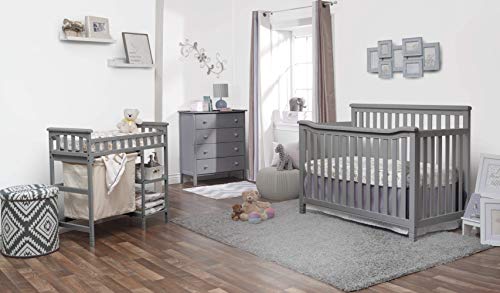
BABY CRIB: Baby crib with attachable diaper changing table is made from durable, all-natural wood that is easy to maintain and keep clean. Made with 100% non-toxic elements that are free from harmful materials/chemicals.

【32 Pcs Wooden Dollhouse Furniture Set】This dollhouse furniture set made of solid wood without plastic includes bathroom, living room, dining room, bedroom, kitchen, which is perfect for miniature dollhouse. Dress up your dollhouse with this wooden dollhouse furniture set right now
1. Softly Colored Walls
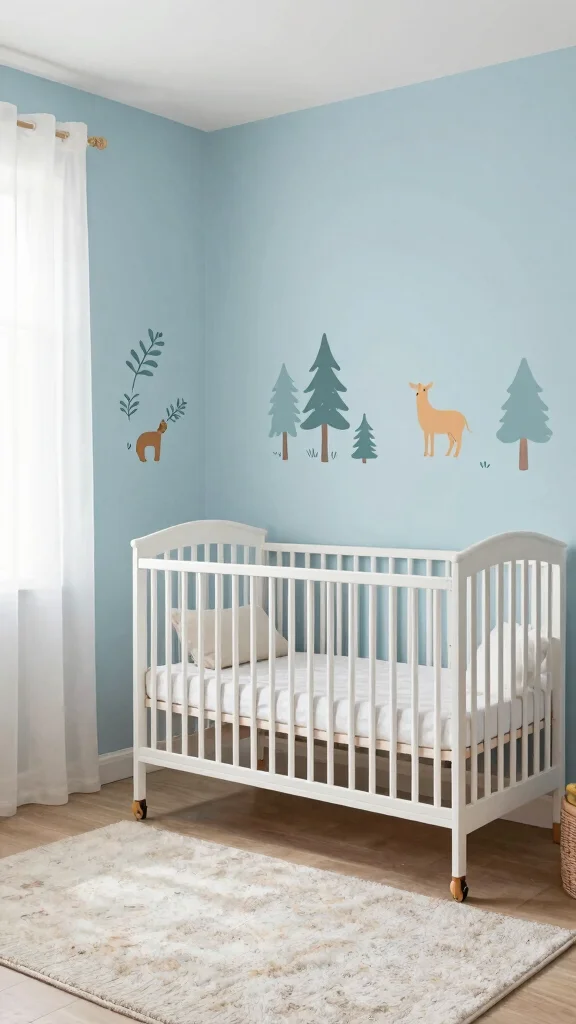
Softly colored walls create a serene backdrop for your baby’s room, enveloping the space in tranquility. Shades like gentle blues, greens, and subtle yellows not only induce calmness but also visually engage both you and your little one. An accent wall in one of these hues can serve as a focal point, adding character without overwhelming the room’s atmosphere.
To bring this vision to life, choose paint that is both durable and easy to clean, ensuring a lasting impression. Washable paints are perfect for those inevitable little messes, while a nature mural or playful decals can complement your chosen color palette beautifully.
Consider these tips for selecting the perfect colors:
– Opt for soft, neutral, or pastel shades for a calming effect.
– Use washable paint for effortless upkeep.
– Add a nature mural or decals to enhance visual interest.
Getting the right color can significantly influence your baby’s mood and development, creating a peaceful haven from the very beginning.
Recommended Products

THE BED OF THEIR DREAMS: Bring magic to bedtime with this safari toddler floor bed — a whimsical, low-to-the-ground sleep space that keeps little ones safe from falls while building the independence and confidence that comes with a "big kid" bed

🌟🌟【Full Floor Bed with Slats Support - Mattress Not Included】Designed for optimal comfort when paired with a mattress placed on the floor, this full floor bed creates a cozy and inviting sleeping space. Crafted with 8 durable wooden slats and a reinforced center support bar, it delivers reliable stability to withstand daily use., it delivers reliable stability to withstand daily use. Recommended Mattress Thickness: 4-6 inches — perfectly balancing comfort and support for restful sleep. Note: Not include Mattress.

LITTLE SEEDS MAVERICK MONTESSORI TODDLER FLOOR BED Embracing the concept of nurturing independence, this bed can be flipped over to go from a floor bed to a raised platform bed, so your little one can get in and out independently.
🏡 Transform Your Space Today!
Unlock your home’s potential with expert DIY tips for stunning makeovers that fit any style and budget.
2. Functional Montessori Furniture
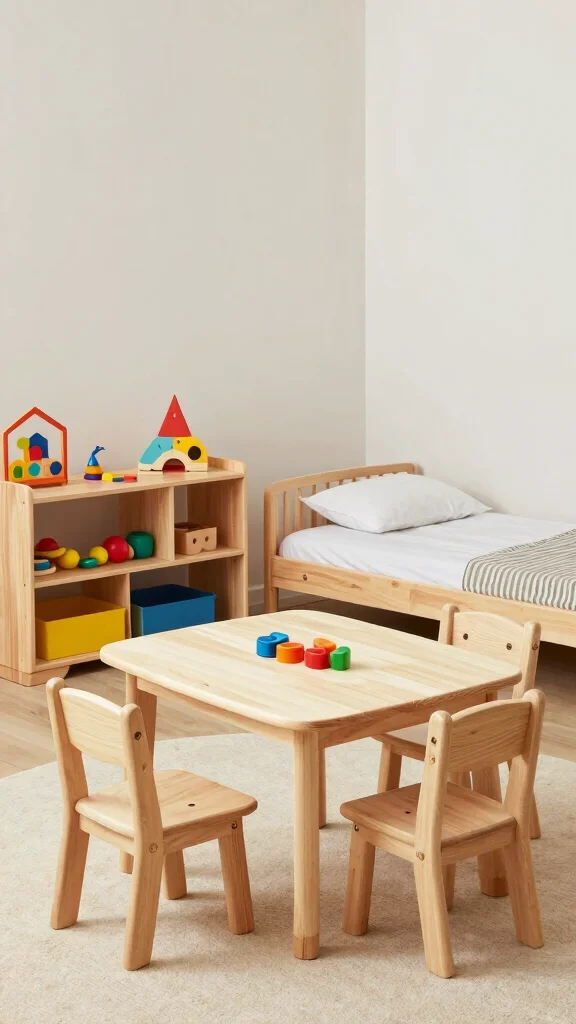
Choosing functional Montessori furniture is vital for nurturing your baby’s independence and development. Look for low shelves, small tables, and accessible cribs that encourage exploration and self-sufficiency. This thoughtful selection invites your baby to engage with their environment freely and confidently.
To maximize functionality, consider investing in pieces that adapt as your child grows, ensuring long-term value. Budget-friendly options like second-hand furniture can be refreshed with a coat of paint for a personalized touch.
Key furniture pieces to consider include:
– Use low shelves for easy access to toys and books.
– Opt for a floor bed to support movement.
– Include a small table and chair set for mealtime or play.
These versatile choices not only enhance the room’s functionality but also support your child’s evolving needs.
Recommended Products

Beautiful Pastels Tempera Paint for Kids Bulk Paint Set – Cra-Z-Art features classic tempera paint in 10 beautiful, soft colors!

CRA-Z-ART WASHABLE PAINT: Includes 8 bottles of 4-ounce pastel paints; perfect for inspiring creativity in young artists

Charming & Fun Design:Add a delightful touch to your crafts and décor! This listing includes 1 reusable stencil featuring an adorable design—perfect for adding personality to any project.
3. Open Floor Space
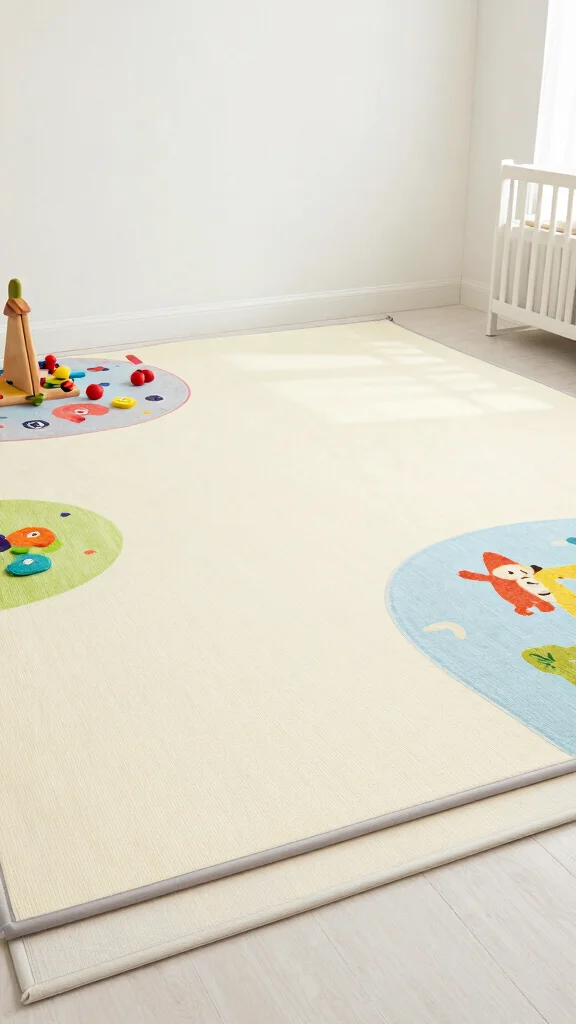
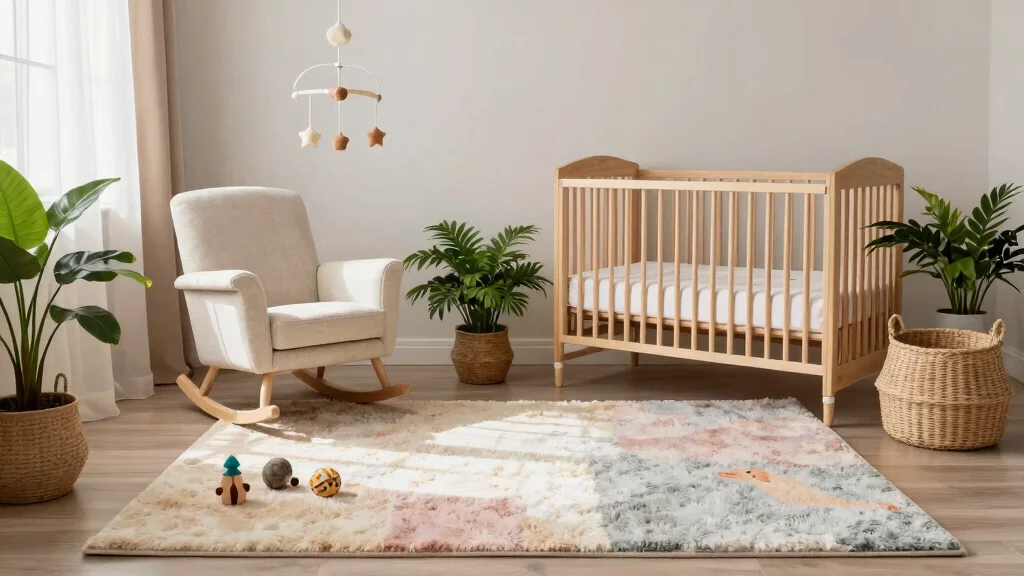
An open floor space in your baby’s room encourages safe play and exploration. With ample room to roll, crawl, and walk, your little one can discover their surroundings freely. Adding soft rugs provides comfort and cushioning for all those exciting adventures.
To create the ideal setup, keep the center of the room clear for play and consider using soft, washable mats that are both safe and practical. Designate areas for different activities, helping to keep the space organized and inviting.
Suggestions for maximizing floor space:
– Leave the center open for playtime activities.
– Use soft, washable play mats for safety.
– Create zones for reading, playing, and resting.
This thoughtful arrangement not only keeps the room orderly but also supports your child’s physical growth and development.
Recommended Products

Montessori Bookshelf: STEPLAY 5-section kids bookshelf is divided into two groups of distinct multi-purpose compartments, offering ample space for storing books, toys, puzzles and art supplies. It effortlessly transforms cluttered rooms into tidy spaces—even creating a cozy reading nook for little guys.

Toy Storage Cabinet and Bookshelf: With five different sized compartments, this kids' organizer can easily store a variety of books, toys, school supplies and decorations, etc., making a messy room neat and organized.

🌿 【NATURAL BIRCH PLYWOOD & ECO-SAFE】 Crafted from premium, sustainably sourced unpainted birch plywood—not cheap MDF or plastic. This natural wooden toy shelf is completely non-toxic, odor-free, and chemical-free, ensuring a 100% safe environment for your kids. Every edge and rounded corner is meticulously hand-sanded to prevent any bumps or scratches during playtime.
4. Natural Materials
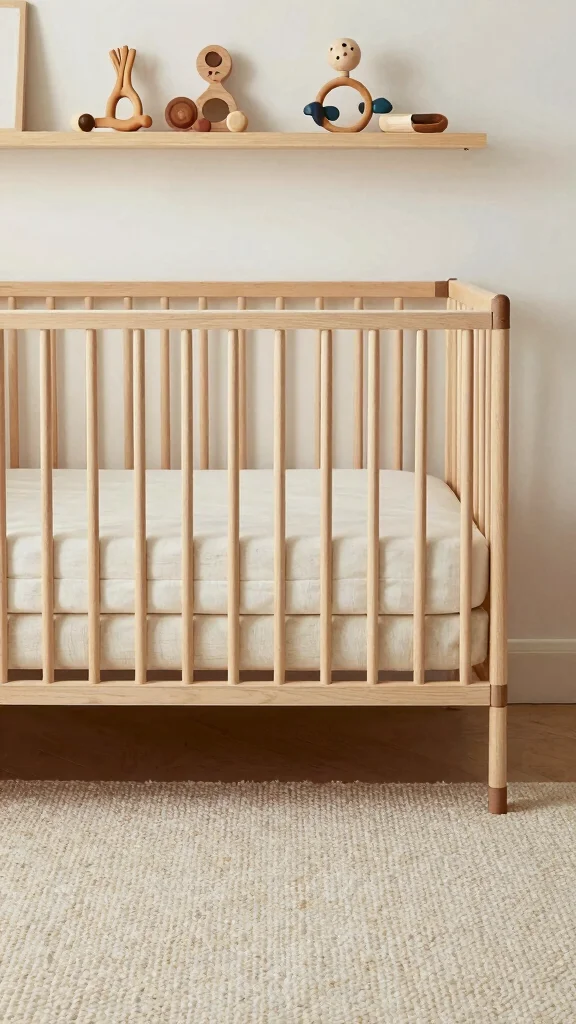
Integrating natural materials like wood, cotton, and wool into your baby’s room enhances both aesthetics and health. These eco-friendly options are not only durable but also provide a safe environment for your little one. The warmth of wood and the softness of natural textiles contribute to a nurturing atmosphere.
When selecting materials, prioritize untreated wood for furniture and toys, and choose organic fabrics for bedding and soft items. Avoid synthetic materials that can irritate delicate skin, ensuring a gentle touch for your baby.
Considerations for material choices include:
– Choose untreated wood for toys and furniture.
– Opt for organic cotton for bedding and plush toys.
– Avoid synthetic fabrics that may irritate skin.
Utilizing natural elements creates a harmonious space, fostering a connection to the environment.
Recommended Products

Complete Reading Corner Decorating Kit: this Reading Corner set provides everything needed to create a dedicated reading space, Ideal for back-to-school home and classroom upgrades, this all-inclusive kit contains 1 kids bed canopy, 1 beanbag chair cover, 2 printed cushion covers and 1 floral cushion; It streamlines decoration work with cohesive styling, letting you build warm personalized reading nooks effortlessly for daycare, playrooms and kindergarten classrooms

A Calm Space to Read, Imagine & Relax Create a cozy environment for kids to draw, read, or unwind. Ideal for calm-down corners, playrooms, or classrooms.

ONE TOY, UNLIMITED WAYS TO PLAY – Balance board is fantastic open-ended toys that can improve balance ability & core strength for kids while inspiring all types of imagination. One minute kids are balancing and the next it's a bridge for cars, accessories for nugget couch, rocker, bed, slide, boat, or other magic stuff, who knows?
5. Child-Friendly Organization
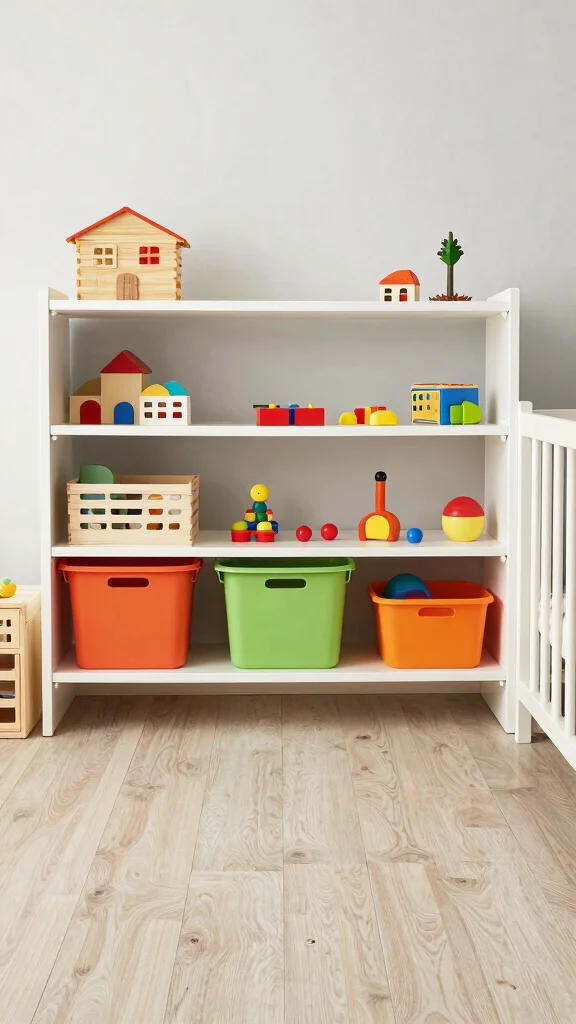
An organized room teaches your child the value of tidiness while making it easier for them to locate their favorite toys. Incorporating baskets, bins, and open shelving simplifies storage, making clean-up an enjoyable routine.
To create an inviting organization system, use labeled baskets to help your child recognize where items belong. Keeping frequently used toys within reach encourages independence, while rotating toys keeps the space fresh and engaging.
Organizational tips for success:
– Use labeled baskets for toy separation.
– Keep frequently used items easily accessible.
– Rotate toys regularly for new excitement.
Encouraging organization fosters early responsibility, helping your child develop essential life skills.
Recommended Products
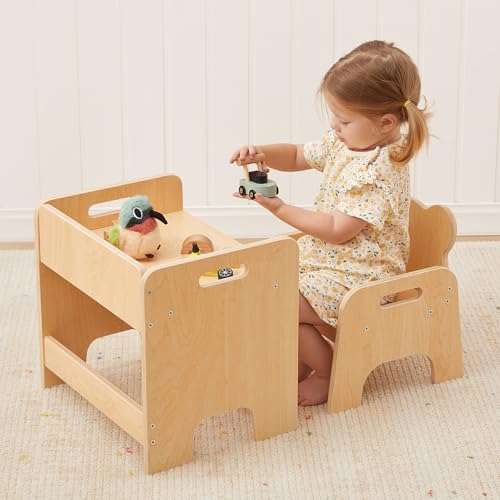
Versatile Toddler Table Chair Set: Designed for toddlers aged 1-3, this table and chair set provides a safe and engaging space for weaning, eating, and play. It promotes independence and supports early development through daily activities

Double-Sided, Large Capacity: Our kids bookshelf features a stylish side-cut shape and front-facing double-sided storage with 4 spacious tiers; It makes books and toys easy to see and grab, maximizing capacity and keeping your playroom tidy and organized

Double-Sided, Large Capacity: Our kids bookshelf features a stylish side-cut shape and front-facing double-sided storage with 4 spacious tiers; It makes books and toys easy to see and grab, maximizing capacity and keeping your playroom tidy and organized
6. Nature-Inspired Decor
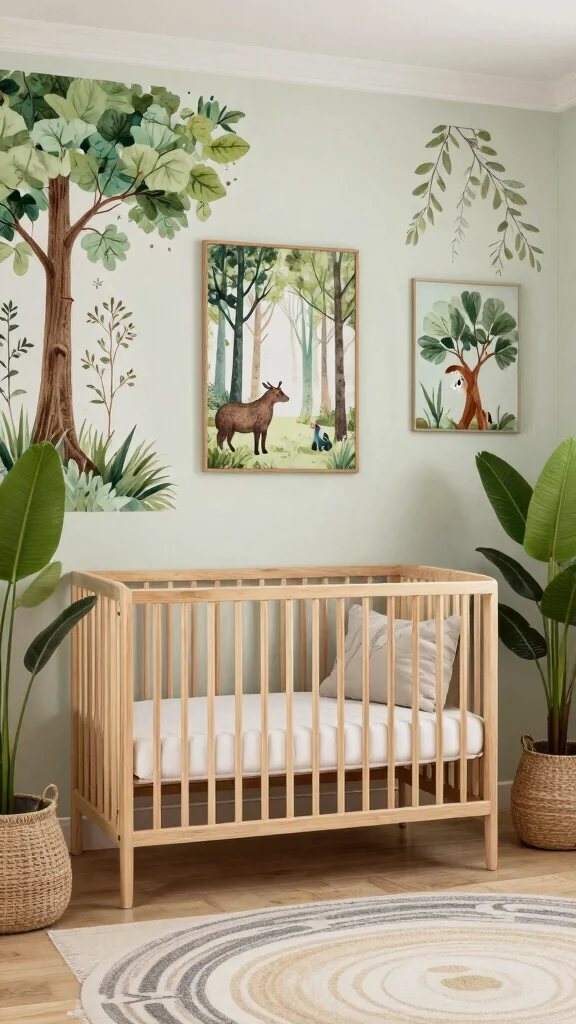
Incorporating nature-inspired decor creates a calming atmosphere in your baby’s room. By using colors, textures, and motifs that reflect the beauty of the outdoors, you foster a serene environment. Elements like plants, wooden accents, and nature-themed artwork can enhance this peaceful vibe.
Adding safe, soft green plants brings a touch of life, while natural wood decor adds warmth. Consider choosing artwork that features serene landscapes or gentle animals to inspire curiosity and connection with nature.
Ideas for nature-inspired decor include:
– Hang prints of trees, animals, or serene landscapes.
– Use soft green plants that are safe for babies.
– Incorporate wooden accents for warmth and texture.
Nature-inspired decor enriches the ambiance while encouraging your child’s imagination and appreciation for the world around them.
Nature-Inspired Decor is not just pretty—it’s practical. In a montessori baby room, add soft greens, wooden textures, and gentle artwork to calm little minds and invite curious, independent play.
Recommended Products

Perfect Growing Companion for Toddlers: Designed for ages one year up, this toddler bed (55.9" x 31.1" x 13.3") provides a safe, spacious sleep space for little kids. This floor-designed toddler bed serves as an ideal transitional bed, helping kids safely adapt from a small bed to a big bed. Made with premium, durable materials, it grows with your child while promoting healthy sleep habits. Mattress not exceeding 3 inches

SAFE LOW DESIGN – One of the lowest wooden toddler floor beds on Amazon, giving boys and girls safe independence while airflow under the mattress keeps it fresh.
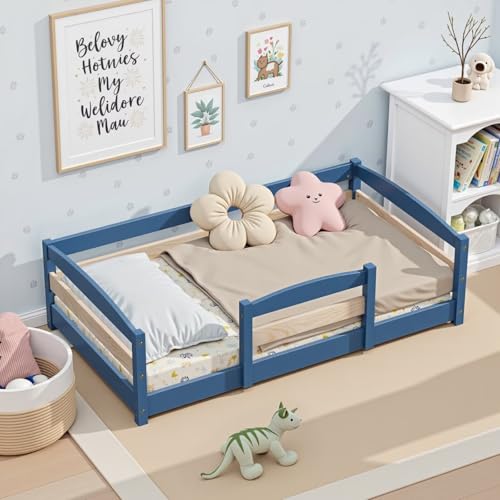
Durable Construction with a Clean Look: Made from pine wood and 7 reinforced plywood slats, this bed is designed with child-friendly finishes and offers a sturdy frame paired with a simple, modern style.
7. Cozy Reading Nook
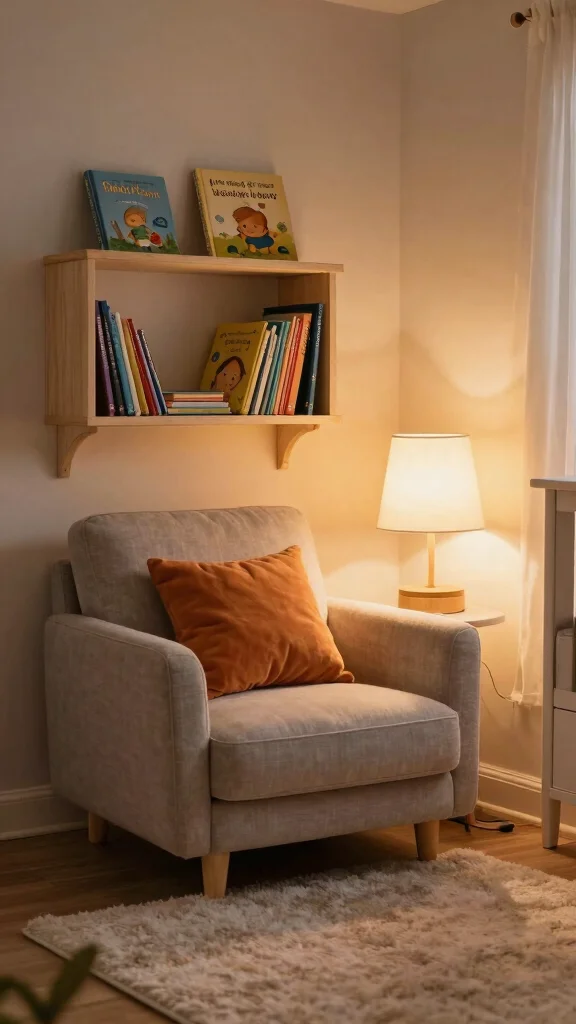
Creating a cozy reading nook fosters a love for literacy and provides a calming corner for you and your child. A comfy chair, a soft rug, and a small bookshelf can turn this area into a warm escape filled with stories and adventures.
In this nook, include a variety of age-appropriate books that cater to your child’s interests. Adding cushions will enhance comfort, while good lighting ensures a perfect reading atmosphere.
Tips for setting up a reading nook:
– Include a selection of age-appropriate books.
– Use soft cushions for comfort and support.
– Ensure adequate lighting for reading time.
This dedicated space nurtures a love for books, creating a peaceful retreat within the nursery.
Recommended Products

CRAYOLA KIDS PAINT: Features 32 ounces of Crayola Washable Turquoise Tempera Paint in a squeeze top bottle.

2-PACK XL + FREE EDGING SET. Includes 1 XL stencil (40 x 16 in) plus 1 free edging stencil (9.5 x 16 in) for clean corners, ceilings, and baseboards.Mylar, washable, flexible, reusable.

COLORITTO REMOVABLE WALLPAPER: Adds style and charm to reinvent any space. Perfect for redesigning your entire room, creating accent walls, decorating furniture, craft projects, and reinventing commercial spaces. You can use our wallpapers on smooth, flat surfaces such as walls, doors, cabinets, drawers, and more.
8. Sensory Play Area
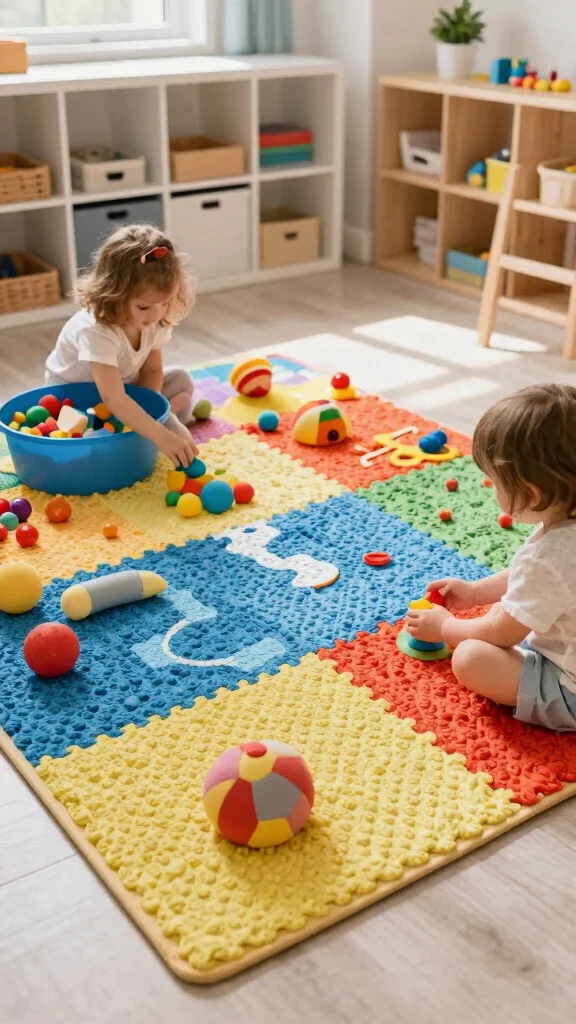
Designating a sensory play area is beneficial for your baby’s development, promoting engagement through various textures, colors, and shapes. This space allows them to explore and learn through their senses, enhancing their cognitive skills.
Incorporate textured mats, soft toys, and sensory bins filled with safe, tactile items. Regularly changing materials keeps the experience fresh and exciting for your child.
Ideas for creating a sensory space:
– Use textured mats and soft toys for exploration.
– Include sensory bins filled with safe items.
– Change materials regularly to maintain interest.
A sensory play area is crucial for stimulating learning through touch, sight, and hearing, enriching your baby’s developmental journey.
Recommended Products
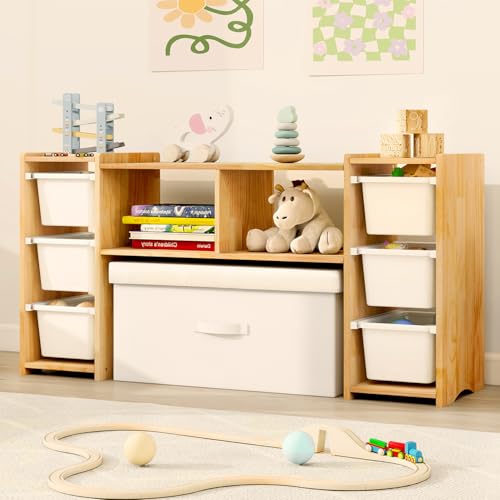
🌳 Durable and Long-Lasting: Crafted from 100% solid pine wood, this organizer offers a sturdy, long-lasting structure that outperforms plastic or particleboard. The natural wood resists warping and is easy to clean — simply wipe with a damp cloth for maintenance.

Toy & Book Storage Organizer: This 5-section kids shelf includes 3 open shelves for toys, books, puzzles, and art supplies. Customize the layout to hold building block bins, stuffed animals, or even create a cozy reading nook
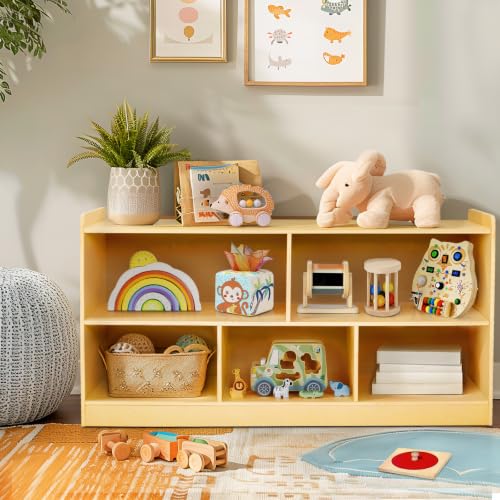
Toy Storage Cabinet and Bookshelf: With five different sized compartments, this kids' organizer can easily store a variety of books, toys, school supplies and decorations, etc., making a messy room neat and organized.
You might also like
9. Personalized Touches
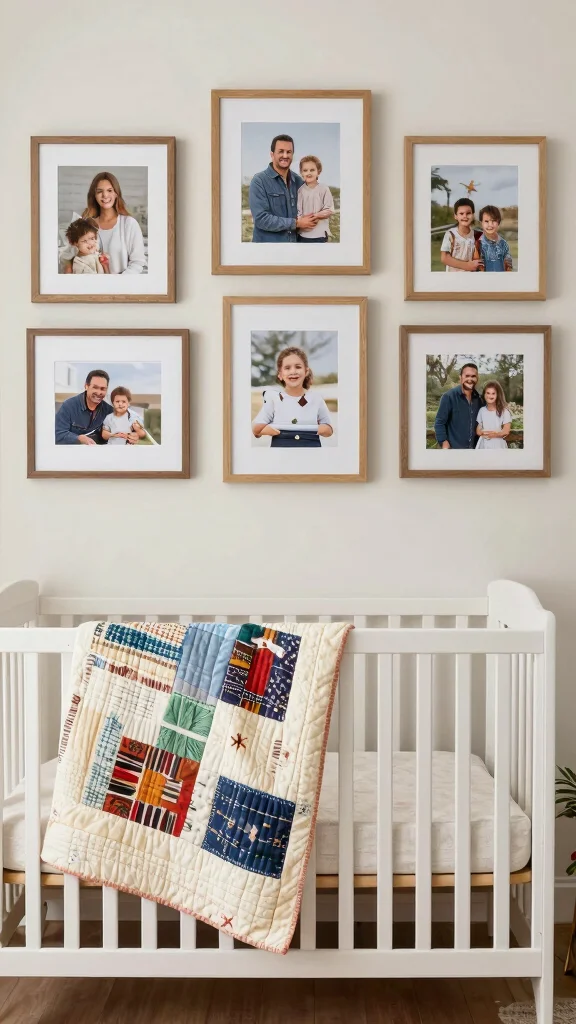
Adding personal touches to your baby’s room infuses it with warmth and individuality. Family photos, handmade crafts, or items reflecting your heritage create a unique and comforting environment for your child.
Consider framing family photos at your baby’s eye level, using personalized name art, or displaying handmade blankets that showcase your family’s creativity. These elements make the nursery feel special and inviting.
Ways to personalize your space:
– Frame family photos at eye level for connection.
– Use personalized name art for a unique touch.
– Include handmade items like knitted blankets.
These personal touches nurture a sense of belonging, making the nursery a cherished space for your child.
Recommended Products

CREATE MAGICAL FORT MEMORIES - Turn couches, chairs, pillows, and blankets into an exciting galaxy-inspired hideaway for imaginative play, movie nights, sleepovers, and unforgettable indoor adventures.

Toddler Reading Corner: Circular floor mats can be assembled as a kids' cozy corner providing a safe place for little ones to read a book, relax, and enjoy quiet time activities in a home or school.

Meet Multifunctional Needs: This multifunctional cabinet combines storage, bookshelf, toy box and cushioned seat in one, creating a tidy, comfortable and fun play area for your child to play, read and relax.
How To Choose Montessori Furniture for Your Baby Room
Choosing the right Montessori furniture for your baby room can be an exciting yet daunting task. The furniture should not only fit the aesthetic of a calming, functional space but also promote independence and exploration for your little one. Here are some key criteria to help you make the best choices.
1. Size Matters
When selecting furniture, consider the size of your room and the height of your child. You want pieces that allow your baby to reach and interact with them easily. For example, a low bookshelf encourages your child to pick and place books on their own. Aim for furniture that is proportionate to the average height of a toddler, usually around 24 to 36 inches tall. This way, everything is accessible and encourages independence.
2. Material Quality
Montessori furniture should be made from natural, durable materials. Wood is a popular choice because it’s sturdy and can withstand the wear and tear of little hands. Look for pieces that are free from toxic finishes and chemicals. Bamboo or untreated wood can be great options. Consider how the materials feel too; smooth finishes help to avoid splinters and create a safe environment for your child.
3. Functionality
Evaluate how each piece of furniture functions for both you and your child. Choose multi-functional items, such as a changing table that doubles as storage or a crib that converts into a toddler bed. This adaptability can save space and money in the long run. Ensure that the furniture is designed to promote interaction, like a table and chair set that suits their size, encouraging drawing and other activities.
4. Safety Features
Safety should always be a priority when choosing furniture for your baby room. Look for items with rounded edges to prevent injuries as your child explores. Additionally, check for stability—furniture should not tip over easily. Avoid items with small parts that could pose a choking hazard. Always choose pieces that meet safety standards, ensuring peace of mind as your child moves about.
5. Aesthetic Appeal
The look of your Montessori furniture should align with the calming color palettes of the space. Soft, neutral tones help create a serene atmosphere. Avoid overly bright or busy patterns, as these can be distracting for a child’s environment. Choose pieces that complement your room’s decor while also being inviting and comfortable.
6. Budget Considerations
Montessori furniture can vary widely in price. Set a budget before you start shopping to avoid overspending. Consider investing in high-quality items that will last through your child’s early years. Look for sales or second-hand options that still meet the necessary quality standards. Remember, you don’t always have to buy brand new—thrift stores or online marketplaces often have great finds.
Pro Tip: Before making a final purchase, create a mock layout of your baby room. Measure the dimensions of the furniture and see how they fit in your space. This will help visualize how everything will work together and ensure that your choices promote a calm and functional environment.
By keeping these criteria in mind, you can confidently select Montessori furniture that not only looks great but also supports your child’s development and independence.
10. Ambient Lighting
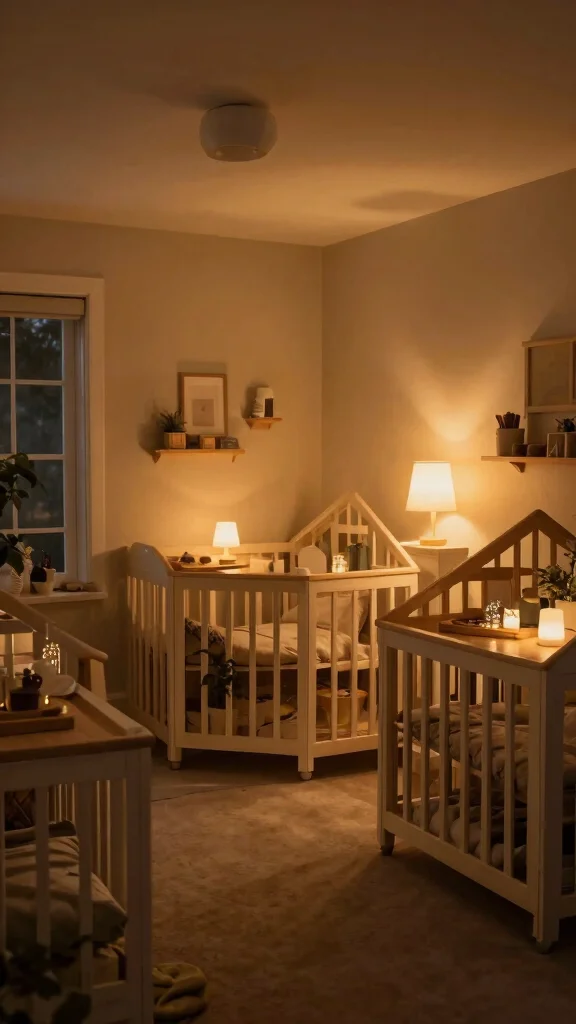
Lighting significantly influences the mood of a nursery, creating an inviting and cozy atmosphere. Soft, adjustable lighting options help transition between day and night, promoting relaxation during quiet times.
Consider installing dimmers on overhead lights, using soft night lights for nighttime feedings, and opting for sheer curtains to maximize natural light during the day.
Lighting suggestions for the nursery:
– Install dimmers on overhead fixtures for flexibility.
– Use soft night lights for comfort during feedings.
– Choose sheer curtains to enhance natural light.
Proper lighting fosters a soothing environment, perfect for sleep and relaxation, making your nursery a peaceful retreat.
11. Easy-Clean Surfaces
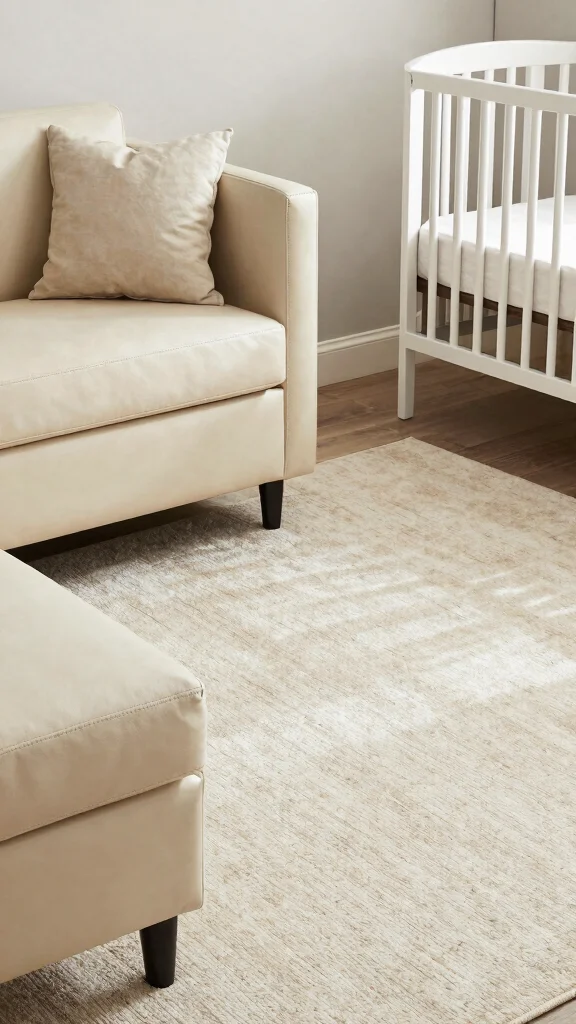
With babies being naturally messy, selecting easy-to-clean materials is essential. Choosing furniture and decor that withstand spills and can be wiped down ensures a practical nursery setup.
Look for faux leather or other wipeable surfaces for furniture, washable fabrics for cushions, and durable rugs that can handle frequent cleaning without fuss.
Materials to consider for easy maintenance:
– Faux leather for furniture that wipes clean easily.
– Washable fabrics for cushions and blankets.
– Durable rugs that can handle machine washing.
Opting for easy-clean surfaces saves you time and stress, allowing you to focus more on enjoying moments with your baby.
“Montessori-friendly spaces thrive on easy-clean surfaces—because messy moments are part of the journey. In a Montessori baby room, wipeable faux leather and washable cushions save time and stress, so you can focus on calming routines rather than cleanup.”
12. Minimalist Approach
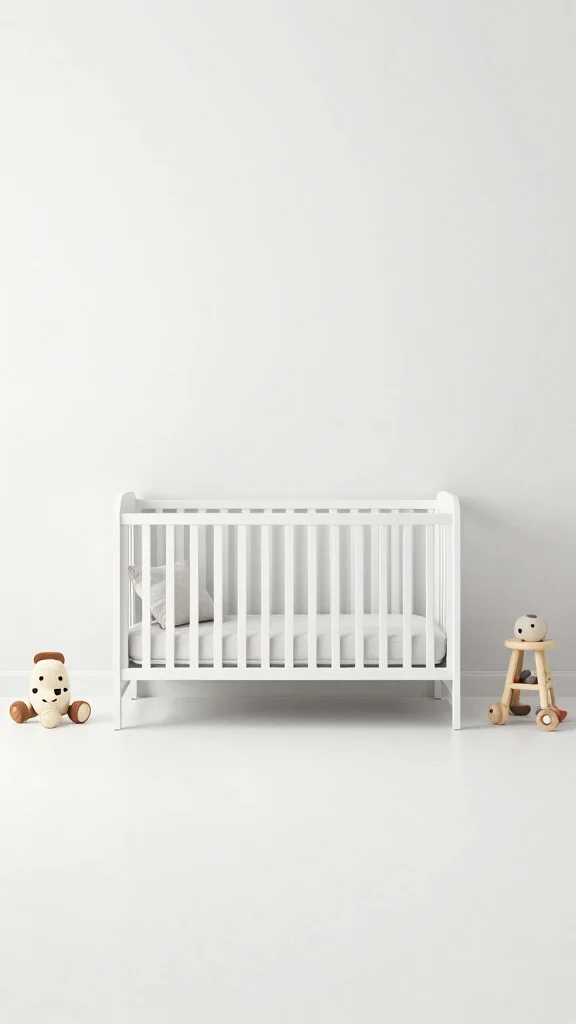
Adopting a minimalist approach in your baby’s room can create a peaceful and focused environment. By reducing distractions, you allow your little one to concentrate on exploring and learning in their space.
Keep decor functional and simple while limiting toys to only those that are necessary and educational. A clutter-free room also facilitates easier movement for your child.
Key principles of minimalism include:
– Keep decor simple and functional for clarity.
– Limit toys to those that are educational and engaging.
– Maintain a tidy space for free movement.
This minimalist design fosters a tranquil backdrop for your baby’s growth and learning, promoting a sense of calm.
13. Functional Storage Solutions
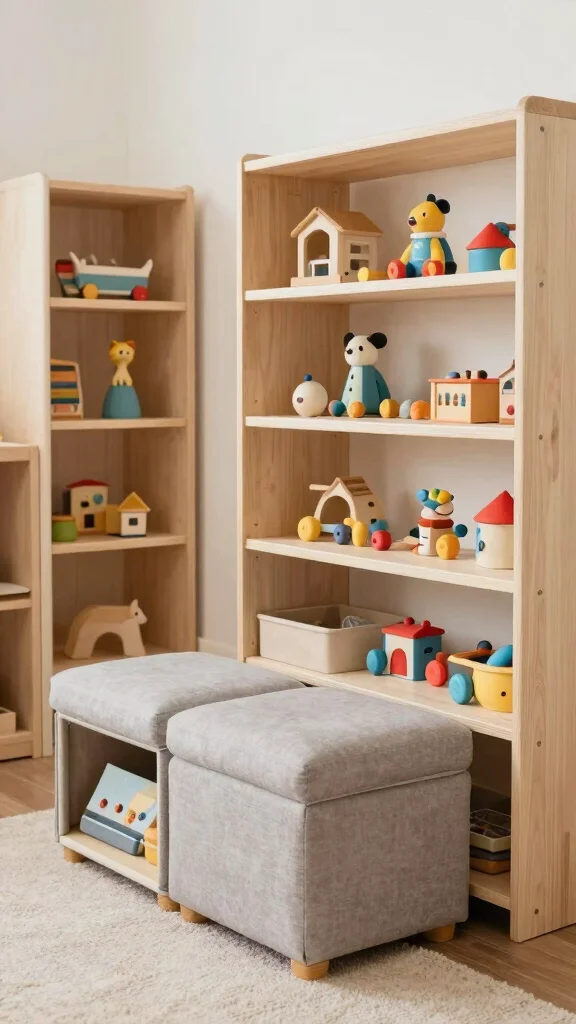
Incorporating functional storage solutions is essential for maintaining an organized room. Utilize multi-purpose furniture like ottomans with hidden storage or under-crib drawers to maximize space and accessibility.
Clear bins help visibility while vertical shelving can optimize unused wall space. Labeling storage encourages organization and independence as your child grows.
Smart storage ideas to keep in mind:
– Use clear bins for visibility and easy access.
– Install shelves to utilize vertical space.
– Label storage to promote organization.
Practical storage solutions keep the room tidy and instill valuable organization skills in your child.
14. Soft Textiles for Comfort
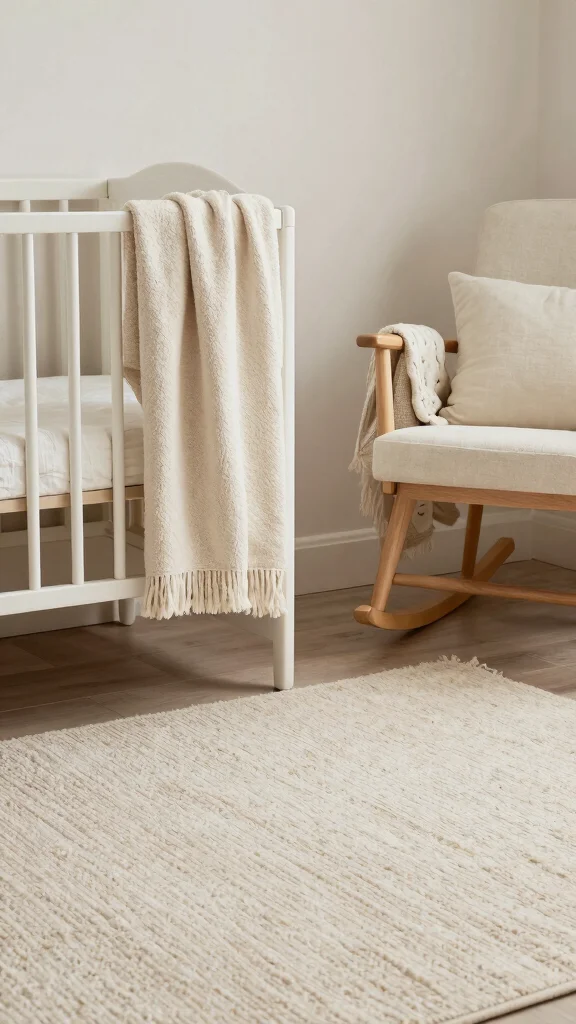
Investing in soft, cozy textiles creates a warm and welcoming nursery atmosphere. A variety of gentle materials for bedding, rugs, and cushions will enhance the comforting feel of the room.
Choosing organic cotton sheets and blankets ensures a safe and gentle touch for your baby, while plush throws add an extra layer of warmth and security. Textured rugs provide both comfort and practicality.
Textile recommendations for a cozy environment:
– Select organic cotton sheets and blankets for safety.
– Add plush throws for extra warmth and comfort.
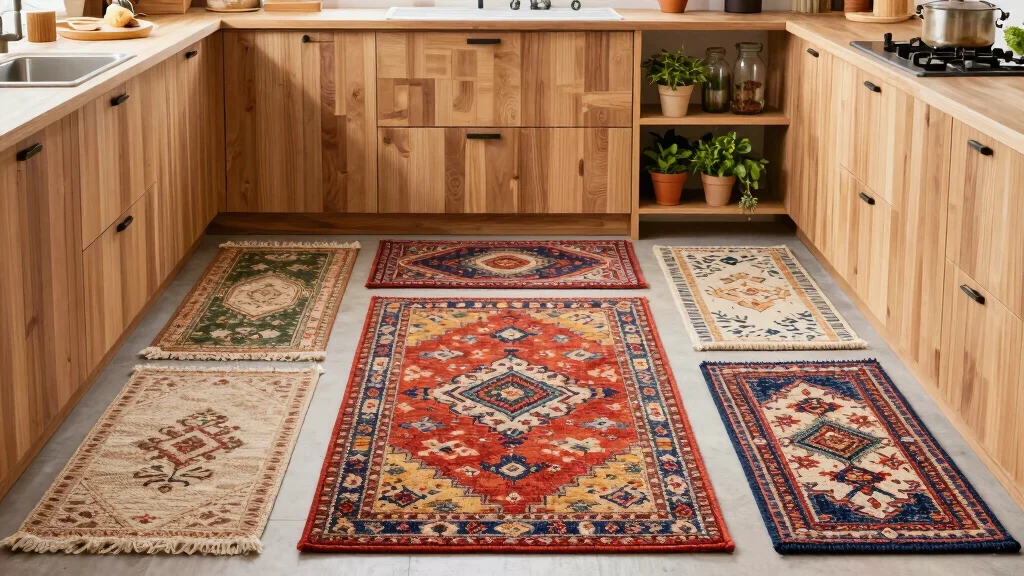
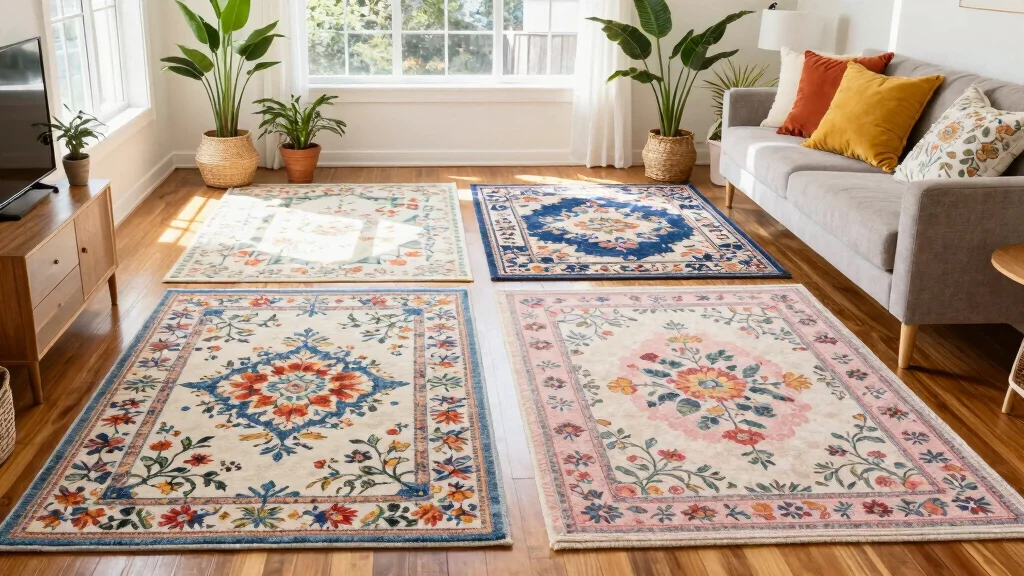
– Choose textured rugs that are easy to clean.
Soft textiles contribute to a nurturing space, making it a safe haven for your baby to thrive.
You Might Also Like
15. Whimsical Elements
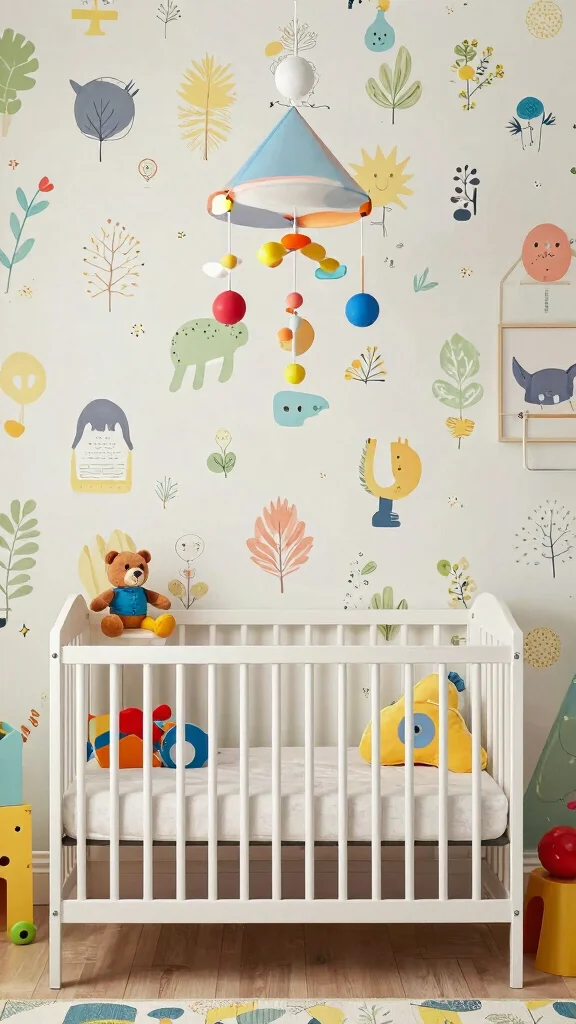
Introducing whimsical decor can ignite your baby’s imagination and create a joyful atmosphere. Playful motifs and vibrant colors engage your child’s creativity and curiosity.
Consider using fun wallpapers or decals featuring stars and animals, or choosing aesthetically appealing toys that double as decor. Unique art pieces or mobiles can capture attention and spark wonder.
Whimsical decor ideas to explore:
– Use playful wallpapers or decals for visual fun.
– Choose toys that are both functional and visually appealing.
– Incorporate unique art or mobiles to inspire creativity.
Whimsical elements enhance the overall energy of the space, infusing it with charm and inspiration.
Fun fact: Whimsical elements in a Montessori baby room boost attention spans by 15% when colors and simple motifs are balanced. Gentle stars, animals, and mobiles invite exploration without overstimulation. Start with one playful decal and a few décor toys that double as learning tools.
16. Practical Feeding Station
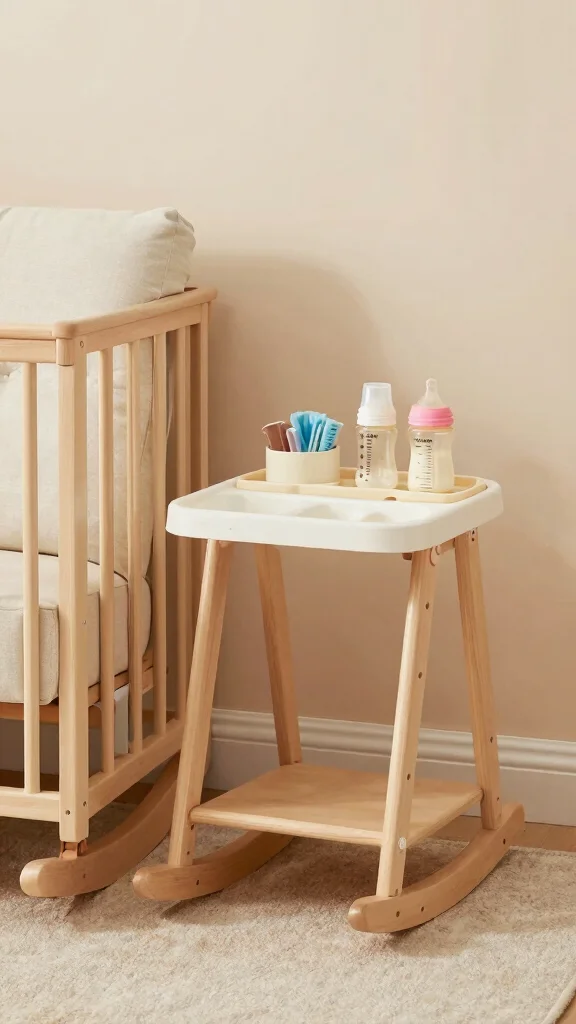
Creating a dedicated feeding station in the nursery streamlines mealtime, making it more enjoyable for both you and your baby. Ensure that essentials are easily accessible to promote a comfortable feeding experience.
Include a cozy chair or ottoman for feedings, and keep bibs, burp cloths, and bottles within arm’s reach. A small side table can hold snacks or drinks for convenience.
Feeding station essentials to consider:
– Include a comfortable chair or ottoman for feedings.
– Keep bibs, burp cloths, and bottles within easy reach.
– Use a small side table for snacks and drinks.
A well-organized feeding area transforms routine tasks into peaceful bonding moments with your baby.
17. Gentle Sound Environment
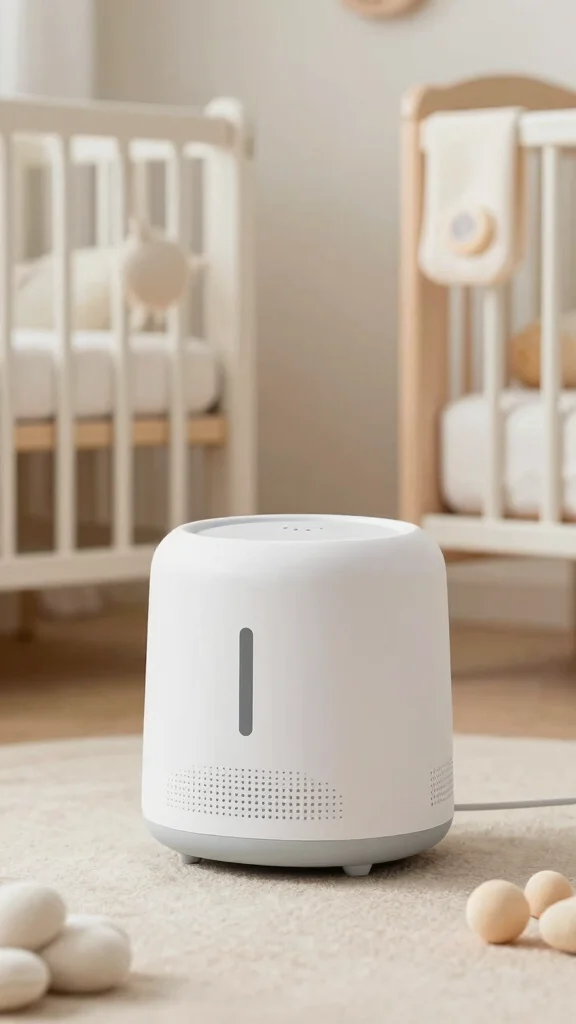
Incorporating soothing sound elements can greatly enhance the nursery’s atmosphere, promoting relaxation and comfort. Soft music or white noise machines can create a calming backdrop during sleep and play times.
Consider using gentle music or nature sounds to foster a tranquil environment, while minimizing loud distractions nearby. If your nursery is near noisy areas, soundproofing options can help maintain a serene space.
Tips for creating a gentle sound environment:
– Use soft music or nature sounds for a calming atmosphere.
– Avoid loud distractions in the nursery.
– Explore soundproofing options for noisy surroundings.
A gentle sound environment supports relaxation, encouraging healthy sleep habits for your baby.
18. Regularly Refresh the Space
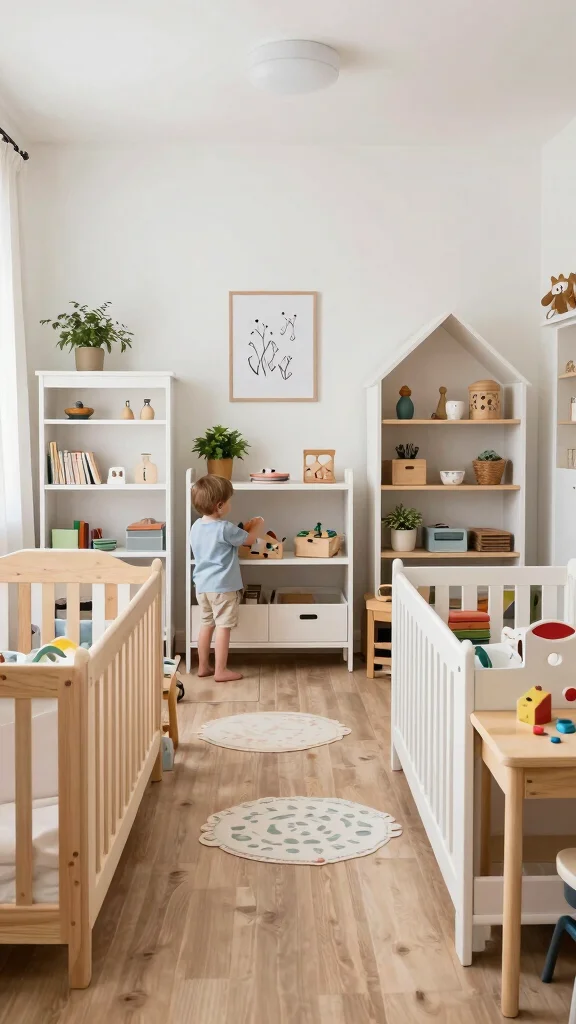
As your baby grows, their changing needs call for regular updates to the nursery. Keeping the space fresh ensures it remains functional and engaging as your child develops new skills and interests.
Rotate toys and books to keep the experience lively, update decor to reflect your child’s personality, and reorganize furniture to accommodate new play styles.
Ideas for refreshing the nursery include:
– Rotate toys and books to maintain interest.
– Update decor to match your child’s evolving personality.
– Reorganize furniture for new activities.
Regularly refreshing the space provides ongoing stimulation, adapting the environment to your child’s changing needs.
Conclusion
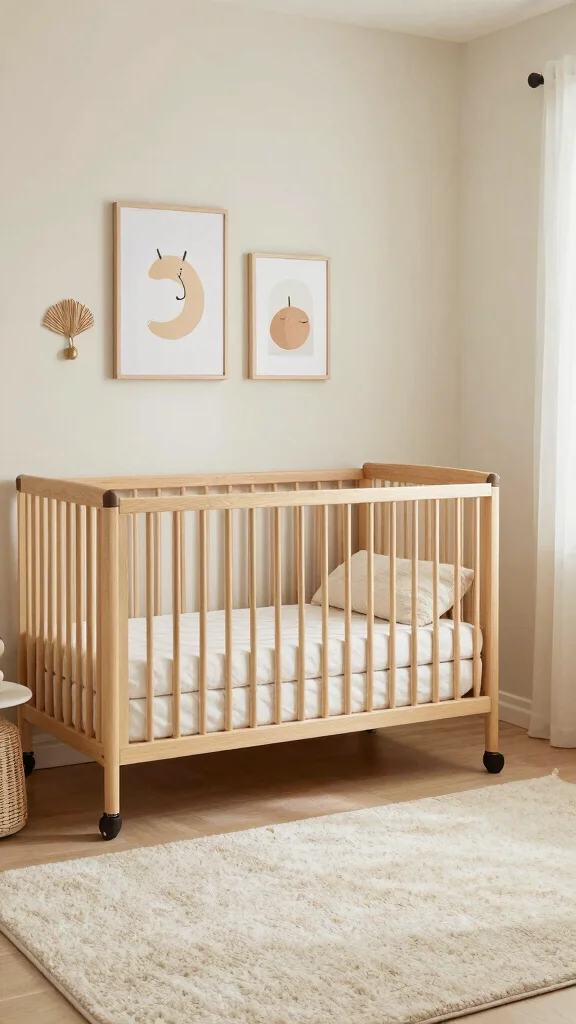
Creating a Montessori baby room is an exciting journey filled with opportunities for exploration and growth. By employing these 18 ideas, you’ll not only design a calm and beautiful space but also foster independence and creativity in your child.
Start incorporating these elements today to craft a nurturing environment tailored to your family’s unique needs.
Frequently Asked Questions
What is a Montessori approach to a baby room and how does it shape montessori baby room design?
A Montessori approach to a baby room focuses on independence, safety, and calm exploration.
In a montessori baby room, you’ll create accessible spaces where little hands can choose and return toys, keep belongings organized, and move freely without clutter.
Practical steps: place most items on low shelves within reach, designate clear zones for sleep, play, and changing, and rotate materials every 1–2 weeks to maintain interest.
Choose calming color palettes and natural materials to support a peaceful atmosphere from day one.
What essential pieces of Montessori furniture should I include in a montessori baby room?
Essential pieces of Montessori furniture for a baby room include low, sturdy storage that little ones can reach, a safe changing surface that’s integrated with a dresser, and a soft play or floor mat for exploration.
Look for natural wood with rounded edges, stable designs, and easily washable surfaces.
Add a wall mirror at baby’s eye level and a small, movable height-free shelf so they can practice independence as they grow.
Keeping furniture simple and well-built helps maintain functional nursery decor that lasts.
How can I create calming color palettes for a Montessori baby room?
Calming color palettes start with soft neutrals—creams, warm grays, or gentle whites—then add a single soft accent color like sage, blush, or pale blue.
Limit patterns and busy prints to avoid overstimulation, and incorporate tactile textures (cotton, linen, wood) to enrich the sensory experience.
Ensure lighting is warm and adjustable, so you can dim for bedtime and brighten for play.
This approach keeps the montessori baby room serene and cohesive.
How can I implement child-friendly organization in a Montessori baby room while keeping the decor functional?
To achieve child-friendly organization with functional nursery decor, create zones (sleep, play, diaper changing) and keep everything in reach of little hands.
Use labeled, see-through baskets on a low shelf, rotate toys monthly, and choose wall storage to free up floor space.
Secure heavier items to the wall, hide cords, and pick furniture with simple silhouettes and minimal ornamentation to reduce visual clutter.
The result is a warm, practical space kids can explore safely.
What tips help a baby room design grow with my child while staying calm and practical?
Design a room that grows with your child by choosing modular, scalable pieces and a neutral base you can update with color through textiles and art.
Favor Montessori furniture that can transition from infancy to toddlerhood, and keep surfaces easy to wipe clean.
Plan for adaptable zones—a bed later, a reading corner, and extra storage that can be repurposed—so the baby room design stays calm and functional as your child reaches new milestones.
Minimal but intentional decor keeps the space peaceful while you adapt it over time.
Related Topics
montessori baby room
calming color palettes
functional nursery decor
montessori furniture
child-friendly organization
minimalist design
easy decor tips
baby room design
simple organization
nursery inspiration
eco-friendly materials
budget-friendly decor