
You walk into a 12-by-10-foot spare bedroom in a Brooklyn brownstone and see a freelance graphic designer’s daily struggle: a rolling rack blocks her desk chair, her silk blouses collect dust near a window AC unit, and she pays $400 monthly for a separate coworking membership she rarely uses. This collision of wardrobe and workspace isn’t rare; a 2023 Houzz survey found 34% of homeowners now combine clothing storage with home offices, yet most create friction instead of flow.
The fix isn’t square footage; it’s strategic vertical zoning that separates functions without building walls. You need three specific moves: raising storage to reclaim sightlines, embedding furniture into architecture, and protecting garments before you install a single shelf. Here’s how they work together.
Visualize the Split: Raised Clothing Rack With Corner Office Nook
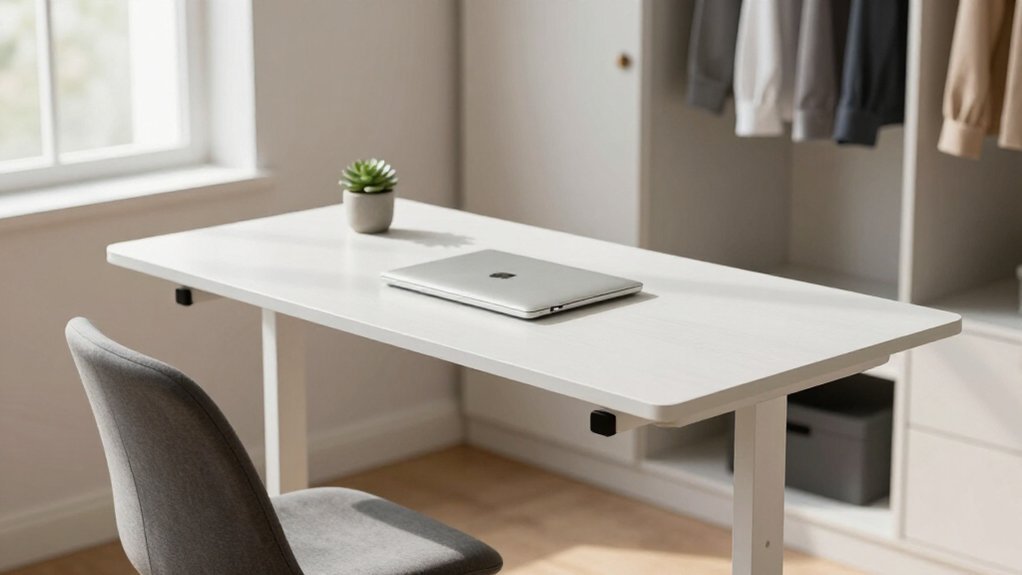
Where exactly do you draw the line between getting dressed and getting work done? You start by lifting your wardrobe. A raised clothing rack clears your sightline and creates room underneath for shoes or bins. This simple move opens up floor space for a corner office nook tucked into the closet’s unused angle. You make the most of every square foot with a wall-mounted or compact L-shaped desk.
Your shelving sits near the desk, holding books and folders without crowding your hanging clothes. You place the desk next to this shelving so the dressing room and home office read as one integrated zone, not two competing functions.
For closet organization that feels calm, not chaotic, you stick to a cohesive palette, soft neutrals with a subtle accent, plus matching hardware. You blend storage and workspace without sacrificing style.
Recommended Products

✔ SPECIFICATION - Flange Diameter - 8.5cm/3.3"; Total Length - 46cm/18.1"; Width - 46cm/18.1" ; The actual length of the part of the garment that can be hung is 40cm/15.7".

It's where all of the items will be arranged and kept, making it easier for you to access and see what you have in choice. As everything is there in front of you on the gold clothes racks.

It's where all of the items will be arranged and kept, making it easier for you to access and see what you have in choice. As everything is there in front of you on the black clothes racks.
Build In Storage: Recessed Shelves and Wall-Mounted Desk Setup
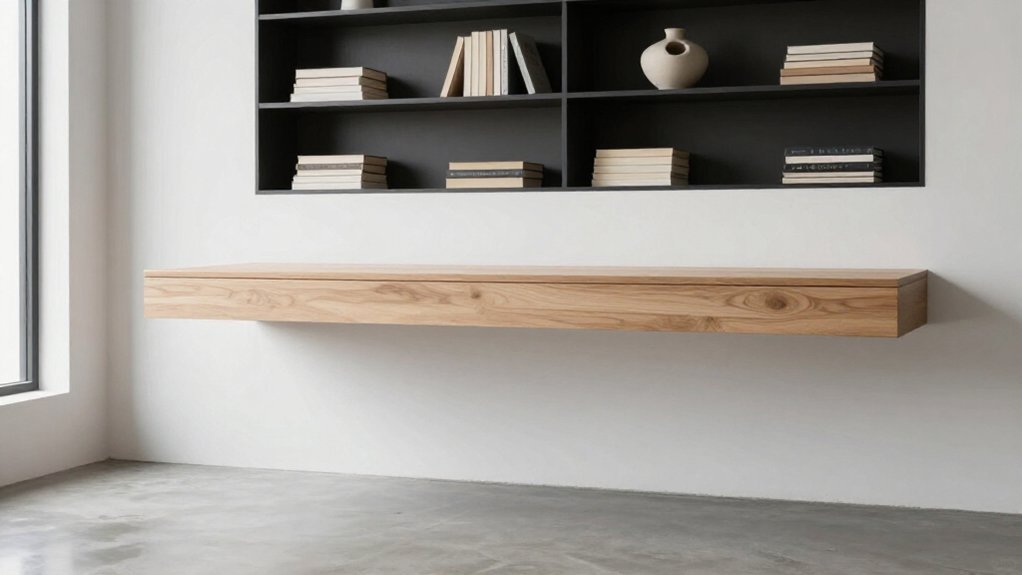
How do you squeeze full functionality into tight quarters without feeling cramped? You build recessed shelves directly into your walls. This vertical storage strategy keeps floors clear while housing folded garments, office supplies, and accessories in one unified system.
Mount a wall-mounted desk beneath floating shelves to create a streamlined workstation. Concealed storage hides cables and clutter, preserving precious surface area for your laptop or makeup routine. You’ll maintain a clutter-free design that serves both purposes without visual chaos.
Position task lighting with care: recessed ceiling fixtures brighten the whole dressing-room-office, while wall sconces near your desk prevent mirror glare. Map clear circulation zones: a narrow path to clothing, a dedicated work alcove, and shallow recessed storage maintain balanced flow. This integrated approach delivers professional results in minimal square footage.
Recommended Products
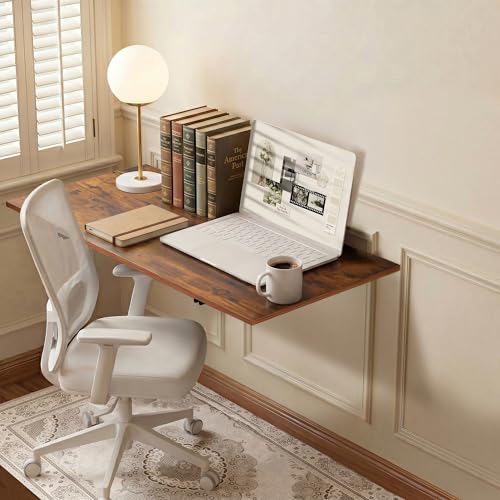
Pay Your attention: For sheet rock wall or drywall, pls find the Supporting Strips to make sure the both brackets can screw into, if you Nailed the fold down wall mount desk table for small spaces in the middle position, it is the hollow wall and will not sturdy.

【Space-saving Fold-down Table】The wall desk can be folded up to save space and folded down to serve as a spacious worktop. Besides, it features upgraded hydraulic rod that is smoother, safer and more durable than normal struts.

3-in-1 Floating Wall Desk: Combines a work desk, storage shelf, and VESA-compatible monitor stand for ultimate functionality in small spaces.
Protect Your Wardrobe: Calculating Hanging Space Before You Build
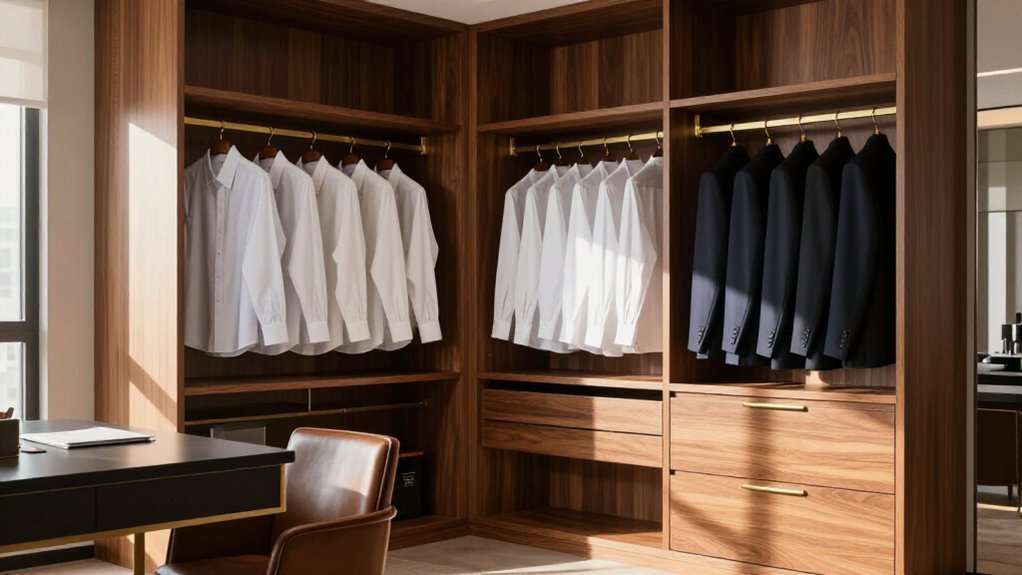
Built-in storage gives you the bones of a functional space, but your clothes still need room to breathe. Start by measuring your total closet footprint, then subtract your office zone, desk, chair, and clearance to see what hanging storage you actually have left. Aim for 40–60% of the closet width for wardrobe protection in a half-closet office setup, adjusting for how much you own and how seasons shift your needs.
Maximize vertical space with these strategies:
- Install a raised clothing rack at 72–78 inches with a double-hang system below at 42–48 inches for shorter items.
- Add under-rack storage, like drawers or shoe shelves, to reclaim floor area without losing hanging capacity.
- Position built-ins and recessed shelving adjacent to your hanging zone for accessible, clutter-free closet organization.
Recommended Products

Optimize Your Closet Space:Tidy Shelf, Tidy Mind: A cluttered space always brings a bad mood. Keep your closet organized: Maximize closet storage space, make your closet shelf, pantry or any shelf neat and clean.Help you easily to divide wide shelves to stack items such as clothing, towels, blankets and linens into a neat high pile.

Dimensions & Size: The storage boxes have outside dimensions of 13 3/8" x 9" x 5 7/8" and interior dimensions at the bottom of 11" x 6 7/8" x 4 3/4", making them perfect for organizing items.

For use with Wire Shelf Closet Systems