
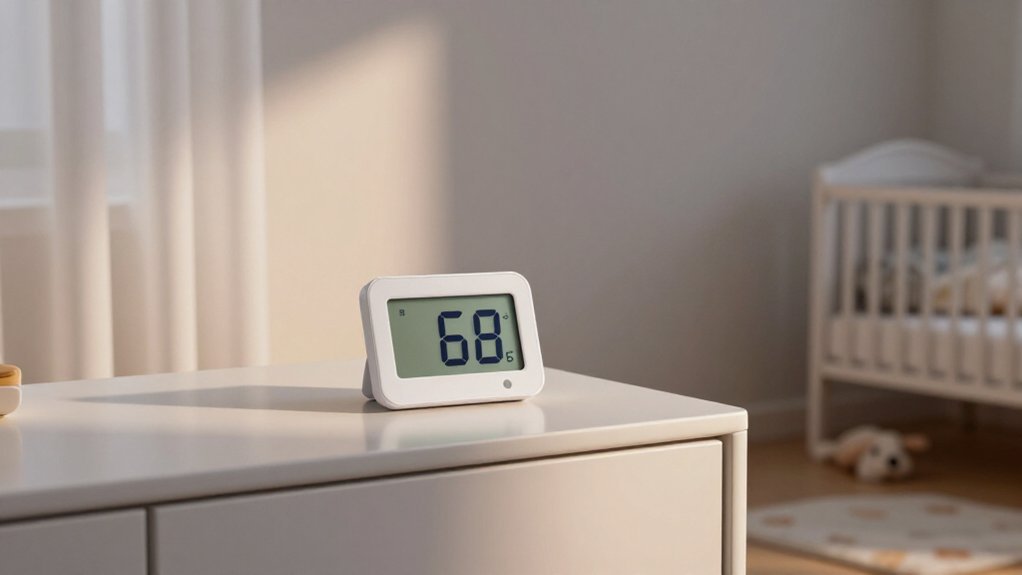
Last winter, a Minnesota family found their newborn sweating through pajamas despite setting the thermostat to 74°F. You want to avoid their mistake.
The safest sleep temperature for babies falls between 68°F and 72°F, or 20°C to 22°C. Why does three degrees matter? Overheating raises SIDS risk, while cool rooms actually protect your baby.
You will need to spot warning signs, pick proper sleepwear, and adjust your nursery without guessing. Getting this right brings peace of mind you can feel every night.
What Is the Ideal Baby Room Temperature?
What exactly does “room temperature” mean when your newborn’s sleep safety is on the line? You need a clear target: aim for 68–72°F (20–22°C), with cooler within this range generally preferable for comfort. This room temperature range supports safe sleep by reducing overheating, a known SIDS risk.
You’re not guessing here. Use a room thermometer to monitor conditions accurately. Then focus on dressing baby appropriately for that specific temperature.
The American Academy of Pediatrics doesn’t name one magic number; instead, they guide you to match baby sleepwear choices to your actual environment. That’s where TOG-rated sleepwear helps. These garments carry thermal ratings, so you pick 0.5 TOG for warm rooms or 2.5 TOG for cooler ones.
Skip extra blankets and hats. If the room feels comfortable in light clothing, you’ve likely found your answer.
Recommended Products

IDEAL SLEEP SACK - BubblePanda baby sleep sack is made from luxurious rayon made from bamboo, known for its buttery softness. This hypoallergenic and breathable fabric helps regulate your baby's body temperature, wicking away sweat to create a soothing and comfortable atmosphere for babies' sleep.

100% Organic Cotton Comfort - This baby sleep sack made with 100% Organic Cotton, super soft and breathable for comfort. The sleeveless design helps regulate baby's temperature, reducing overheating risk and ensuring warmth and cozy.

EASY AND SIMPLE TO USE - Our Sleep Bags Feature a Double Zipper that Zips from the Neck Down or Bottom up, Making Night Time Diaper Changes Easy and Fuss-Free; The Top Zipper Has an Enclosure Over it, Reducing Risk of Choking or Scratching of the Baby’s Face; Continuing with Safety First, Kyte BABY Sleep Bags are Free of Any Unnecessary Embellishments Which can be Pulled Off and Put in the Baby’s Mouth
Is Your Baby Too Hot or Too Cold?
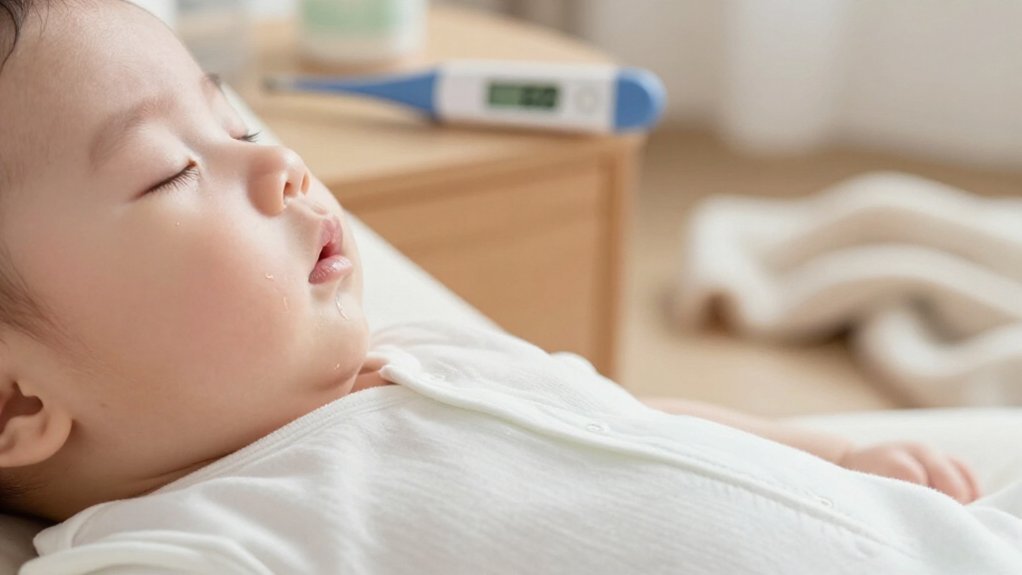
You can check your baby’s temperature with simple core body checks, feeling their chest or back of the neck to gauge true warmth rather than relying on hands or feet, which often run cooler.
Watch for overheating warning signs like sweaty or flushed cheeks, a warm back or chest, or rapid breathing, and adjust by removing a layer or cooling the room if you spot them.
If you notice too-cold indicators, such as a cool chest or neck, add a layer or choose higher TOG-rated sleepwear to restore safe, comfortable warmth.
Recommended Products

LUXURIOUS AND WARM - This sleep sack made with 100% organic cotton outer and fluffy polyester filling, provides a luxurious and gentle experience for your baby's sensitive skin. Our superior cotton feels ultra-soft and breathable, ensures your baby stays warm and snug all night long. Our product is a sleep sack and should be used while wearing sleepwear inside.
IDEAL SLEEP SACK - BubblePanda baby sleep sack is made from luxurious rayon made from bamboo, known for its buttery softness. This hypoallergenic and breathable fabric helps regulate your baby's body temperature, wicking away sweat to create a soothing and comfortable atmosphere for babies' sleep.
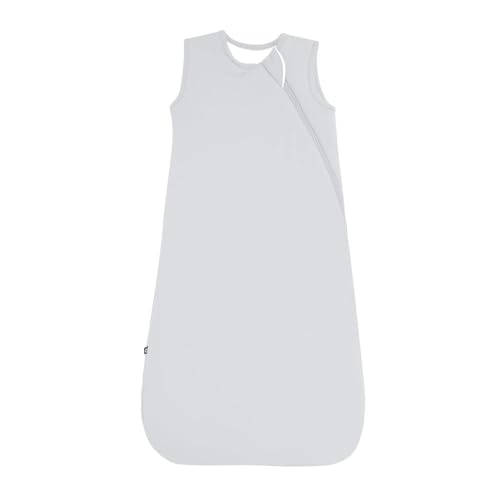
YEAR-ROUND COZY SLEEP: Designed as a versatile baby sleep bag that layers easily over pajamas, this smooth, stretchy exterior lets little ones move freely covered, helping maintain a consistent sleep temperature so bedtime feels calm and secure.
Core Body Checks
How can you tell if your baby is comfortable when they’re too little to say so?
You perform a quick chest check. Touch your baby’s chest or back to gauge core temperature. Skip the hands and feet, extremities run cooler due to circulation and won’t tell you the full story.
Here’s how to read what you feel:
- Comfortable warmth means the core feels warm and dry, indicating safe sleep conditions.
- Overheating signs include sweaty, flushed skin, so you’ll remove a cooling layer or lower the room temperature.
- Cool skin signals you need adequate layering or a slightly higher room temperature.
Aim for a core that feels warm without sweat when the room sits between 68–72°F. Adjust and re-check until you find the right balance.
Overheating Warning Signs
Where should you look when you’re worried your baby might be too warm? Check the chest, neck, or back, not the hands or feet. These spots reveal true body temperature. You’re watching for overheating signs: sweating, flushed cheeks, rapid breathing, or clammy skin. These overheating indicators demand quick attention.
Safe sleep depends on managing room temperature. When the space exceeds 72°F (22°C), you’ve entered warm room territory that raises SIDS risk. Adjust baby clothing immediately, choosing lightweight, breathable fabrics and low TOG sleep garments that let heat escape.
Don’t delay cooling measures. Remove a layer, improve airflow, or lower the thermostat. If symptoms persist, call your pediatrician. Your swift response protects your baby from dangerous overheating and supports restful, secure sleep.
Too-Cold Indicators
What happens when the room dips below ideal conditions? You’ll notice too-cold indicators that demand quick action. When your baby’s skin feels cool to the touch, especially on the chest or back, you should respond immediately.
Check for these signs of being too cold:
- Shivering or pale, lethargic movements
- Cool extremities, though cool hands or feet alone can mislead you
- Reduced appetite or unusual quietness
You must prioritize a warm core temperature over cool hands or feet. Place your hand on the chest or back to confirm true warmth. When you detect coldness, make a room temperature adjustment or add breathable layers. Remove extra clothing once warmth returns to prevent overheating.
How to Cool a Warm Nursery Safely
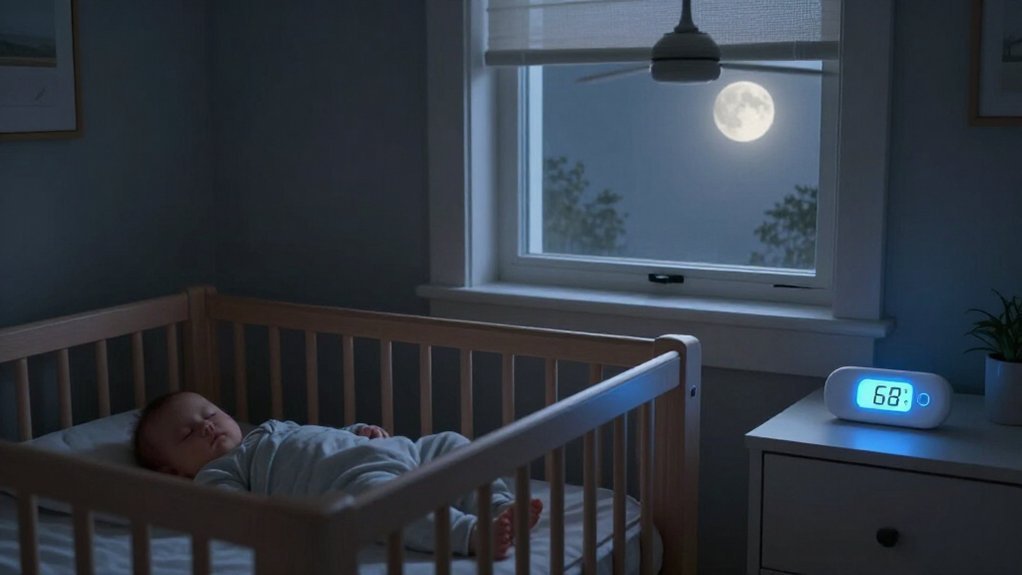
When your nursery creeps above 72°F, you’ll want to act fast with two proven strategies. First, position a fan across the room to circulate air without blasting your baby directly.
Second, swap heavy sleepwear for lightweight, TOG-rated fabrics that release heat rather than trap it.
Recommended Products

Gentle and Comfy:Wrrernsin sleeping sack is crafted from 100% pure cotton fabric, soft and skin-friendly, with exceptional breathability to create a comfy sleeping space for babies. Meeting the safety standards of the US Consumer Product Safety Commission (CPSC), it ensures worry-free use for little ones. The 0.5 tog warmth level and sleeveless design effectively reduce underarm sweating, keeping babies dry and cozy all night—perfect for year-round use
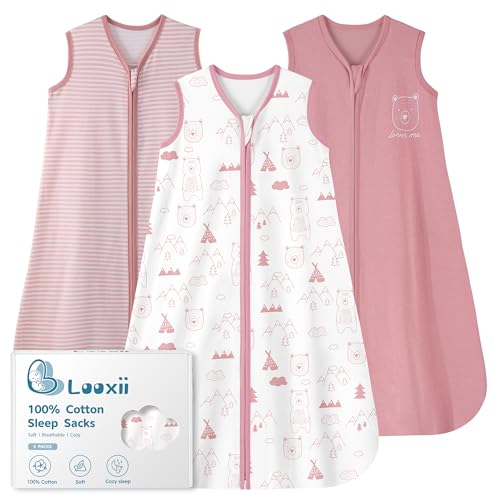
Soft and Comfortable : Our baby sleep sacks are crafted with 100% pure cotton, offering superior breathability and gentle softness for delicate skin. This baby sleep sack helps your baby sleep longer and more soundly. Withstands hundreds of machine washes, getting softer each time.

TRANSITIONAL SWADDLE SACK promotes BETTER SLEEP and SAFER SLEEP. Perfect for babies starting to or able to ROLL OVER, babies who like to sleep with ARMS UP and suck on hands to SELF-SOOTHE, and babies who can escape or get out of a classic swaddle
Fan Placement Guidelines
During sweltering summer nights, how can you keep your baby cool without creating new risks? Strategic fan placement changes your baby sleep environment without compromising safety.
Follow these guidelines for optimal cooling:
- Position the fan at a safe distance from the crib so circulating air moves freely without creating direct airflow on your baby.
- Aim the fan toward the ceiling or wall to diffuse airflow gently throughout the room temperature zone.
- Select models with oscillation and adjustable speeds to maintain consistent, comfortable air movement.
When room temperature rises above 72°F (22°C), you’ll need reliable cooling. Secure all cords out of reach and place the fan on a stable surface. This approach supports safe sleep by preventing overheating while avoiding drafts that could disturb your baby’s rest.
Cooling Clothing Choices
How do you dress your baby when the nursery feels more like a greenhouse than a bedroom? You choose lightweight, breathable clothing and a low TOG sleep garment, a rating that measures warmth, so your little one stays comfortable without overheating. This supports safe sleep while you work toward that ideal baby room temperature.
Even though you aim for room temperature 68–72°F, summer heat happens. Fan circulation helps, but only if you place it safely across the room, never blowing directly on your baby.
You skip the heavy layers and avoid loose blankets entirely; they pose suffocation risks. Instead, you rely on properly rated sleepwear.
Most importantly, you monitor chest warmth by feeling your baby’s neck or chest. If they’re sweaty, you strip a layer. If their chest feels cool, you add one.
How to Warm a Cold Nursery Safely
Where should you start when the nursery feels chilly? Grab a room thermometer first; guessing won’t help you reach the ideal baby room temperature of 68–72°F for safe sleep.
Start cold-nursery checks with a thermometer—guessing misses the safe sleep target of 68–72°F.
You can warm your little one without overheating the space. Here’s how:
- Check the actual temperature with a reliable thermometer, then adjust layering accordingly.
- Dress your baby in higher TOG sleepwear, such as moving from 0.2 TOG to 1.0 TOG, which measures thermal insulation.
- Add breathable layers like a safe sleep bag, but skip hats and keep their face uncovered.
Avoid judging warmth by cold hands or feet. Instead, feel their chest or back. You’re creating comfort through smart layering, not cranking up the heat. This keeps your baby comfortable and sleeping safely.
Recommended Products

【1.5x Breathable】Our sleep sacks are made of Rayon Made from Bamboo, which is breathable, in addition, the ribbed design makes it more breathable, for heat regulation and moisture wicking, helping to keep your baby comfortable and dry, making it easier for parents and babies alike.

【Premium Quality Organic Cotton】: Our baby sleep sack is made with 100% GOTS certified organic cotton, ensuring a high-quality, soft and breathable fabric for your baby's delicate skin. Plus, our natural fibers are grown without the use of harsh chemicals or pesticides, making it a safe and eco-friendly choice for your little one.

【Premium Quality Organic Cotton】: Our baby sleep sack is made with 100% GOTS certified organic cotton, ensuring a high-quality, soft and breathable fabric for your baby's delicate skin. Plus, our natural fibers are grown without the use of harsh chemicals or pesticides, making it a safe and eco-friendly choice for your little one.
What to Dress Your Baby in for Sleep
What exactly should your little one wear to bed? You’ll want to dress your baby in sleep layers that match your room temperature. When you keep the nursery between 68–72°F, choose lightweight clothing paired with low TOG sleepwear (0.2–1.0 TOG). This rating measures warmth; lower numbers mean lighter fabrics.
Start with a onesie, then add a sleep sack for safe sleep without hazards. You’ll avoid loose blankets entirely; they’re risky for breathing and can tangle tiny limbs. A snug sleep sack replaces them completely.
Check your baby’s chest or back. If it feels cool, add a layer or switch to higher TOG. If skin feels sweaty or cheeks flush, remove layers or lower the room temperature. Dress your baby as you’d dress yourself: comfortably, not heavily.
Recommended Products

100% Organic Cotton Comfort - This baby sleep sack made with 100% Organic Cotton, super soft and breathable for comfort. The sleeveless design helps regulate baby's temperature, reducing overheating risk and ensuring warmth and cozy.

Soft, Breathable & CPSC Certified Cotton CPSC certified for safety, this cotton swaddle sack is lightweight and breathable, ultra-soft and gentle on delicate newborn skin, while its adjustable 0.5 TOG when open and 1.0 TOG when wrapped provides extra warmth as needed, ensuring a cozy, comfortable sleep.
Gentle and Comfy:Wrrernsin sleeping sack is crafted from 100% pure cotton fabric, soft and skin-friendly, with exceptional breathability to create a comfy sleeping space for babies. Meeting the safety standards of the US Consumer Product Safety Commission (CPSC), it ensures worry-free use for little ones. The 0.5 tog warmth level and sleeveless design effectively reduce underarm sweating, keeping babies dry and cozy all night—perfect for year-round use
How TOG Ratings Simplify Safe Sleepwear Choice
Why guess at layers when a simple number can guide you? TOG ratings measure thermal insulation in safe sleepwear, removing the mystery from newborn layering. You’ll match breathable fabrics to your sleep environment’s temperature range with precision, reducing SIDS risk through informed choices.
Consider these practical applications:
- Select 0.2 TOG for rooms at 75–81°F; choose 1.0 TOG when room temperature drops to 68–75°F
- Add one layer beyond your own clothing for newborns, then adjust using TOG ratings as your baseline
- Pair TOG-rated garments with reliable room temperature monitoring, eliminating loose blankets and hats from the crib
You control your baby’s comfort without overheating. Trust the numbers, check conditions, and create safer sleep through simple, measurable decisions.
Recommended Products

IDEAL TODDLER SLEEP SACK - BubblePanda toddler sleep sack with feet provides the freedom of movement during sleep while ensuring warmth and security. Our toddler sleep sack is made from luxurious rayon made from bamboo, known for its buttery softness. This hypoallergenic and breathable fabric helps regulate your baby's body temperature, wicking away sweat to create a soothing and comfortable atmosphere for babies' sleep.

IDEAL SLEEP SACK - BubblePanda baby sleep sack is made from luxurious rayon made from bamboo, known for its buttery softness. This hypoallergenic and breathable fabric helps regulate your baby's body temperature, wicking away sweat to create a soothing and comfortable atmosphere for babies' sleep.

ULTRA-SOFT AND BREATHABLE: Made with high-quality combed cotton, our wearable blanket is soft, cozy, and gentle on your baby's delicate skin. The breathable fabric ensures your little one stays comfortable all night long
Why Temperature Matters for SIDS Prevention
How does a few degrees in either direction put your baby at risk? You need to understand that safe sleep depends heavily on controlling the nursery temperature. When you let the room temperature climb too high, you increase SIDS risk through overheating, a known danger for vulnerable infants.
The AAP guidelines recommend keeping the infant sleep environment between 68–72°F (20–22°C). You should focus on infant dressing rather than chasing an exact number; dress your baby in one breathable layer more than you’d wear yourself. Watch for sweating, flushed cheeks, or a warm neck, these signal overheating that demands immediate action.
Install a room thermometer. Your perception of comfort can mislead you, so you need objective data. Cooler within the safe range beats warmer every time, protecting your baby through precise, attentive care.
Recommended Products

Soft and Comfortable : Our baby sleep sacks are crafted with 100% pure cotton, offering superior breathability and gentle softness for delicate skin. This baby sleep sack helps your baby sleep longer and more soundly. Withstands hundreds of machine washes, getting softer each time.
Soft and Comfortable : Our baby sleep sacks are crafted with 100% pure cotton, offering superior breathability and gentle softness for delicate skin. This baby sleep sack helps your baby sleep longer and more soundly. Withstands hundreds of machine washes, getting softer each time.

Adjustable Warmth Without Overheating: Detachable sleeves allow you to easily add or reduce warmth as room temperatures change — helping prevent overheating while keeping your baby comfortably warm through the night. Made to support safe sleep by promoting better temperature regulation without loose blankets.
When Should You Call Your Pediatrician?
Where exactly is the line between a quick adjustment and a phone call? You can fix most temperature issues fast. The AAP recommends dressing for sleep based on room temperature, usually one layer more than you’d wear yourself. If it’s 68–72°F and your baby feels comfortable, you’re on track for safe sleep.
Watch for these warning signs that mean you should call pediatrician:
- Signs of overheating: sweaty skin, flushed chest, or rapid breathing
- Temperature above 72°F that won’t drop after you remove layers
- Fever or breathing difficulties: poor feeding, lethargy, or labored breaths
Overheating increases SIDS risk, so don’t wait. You know your baby best. When comfort measures fail or symptoms worsen, trust your instincts and pick up the phone.
Recommended Products

3-way adjustable swaddle that adjusts to your baby's sleep style. Swaddle arms in, hands-to-face, one or both arms out to ensure baby's best sleep and an easy transition to the SleepSack wearable blanket when it is time to stop swaddling.

3-way adjustable swaddle that adjusts to your baby's sleep style. Swaddle arms in, hands-to-face, one or both arms out to ensure baby's best sleep and an easy transition to the SleepSack wearable blanket when it is time to stop swaddling.
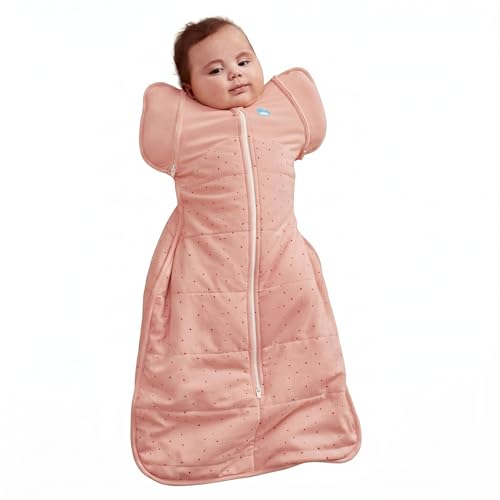
AN EASIER TRANSITION FROM SWADDLING TO ARMS FREE SLEEP: Once your baby starts to show signs of rolling, it's time to stop swaddling and transition them to arms free sleep. Our unique, award winning Swaddle Up Transition Bag, is an easy way manage this change while helping to maintain an established sleep routine. Specially designed to provide the secure feeling of a swaddle while the zip-off wings allow a gentler and gradual move to arms-free sleeping.