
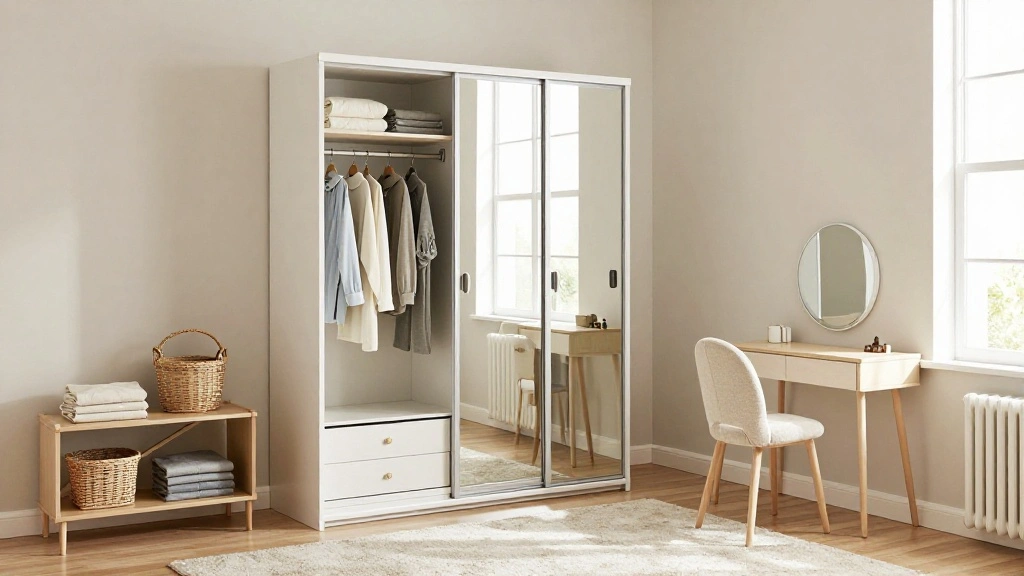
If you’re feeling cramped in your small dressing room and searching for ways to make it work, you’re not alone. Many people find themselves in a similar situation where space is limited, yet the desire for an organized and stylish dressing area is strong. That’s exactly why I created this post. I wanted to gather practical, space-saving solutions that can turn your petite dressing room into a functional oasis without sacrificing style.
This guide is for anyone who dreams of a well-organized dressing area but is challenged by limited space. Whether you’re a minimalist at heart, a fashion enthusiast, or simply someone who values organization, these tips will resonate with you. Here, you’ll discover 17 small dressing room ideas that are not just clever but also effective, ensuring you can make the most of every square inch.
In this article, you’ll find a wealth of ideas, from utilizing vertical space to incorporating multifunctional furniture. Each solution is designed to help you maximize storage while keeping your space clean and visually appealing. So, if you’re ready to transform your dressing room into a stylish yet functional sanctuary, keep reading for solutions that truly work.
Key Takeaways
– Think vertically to create extra storage. Use wall-mounted shelves and hooks to keep your items organized without taking up floor space.
– Under-bed storage is a game changer. Use bins or drawers to store seasonal clothes or shoes, keeping your dressing area tidy.
– Multi-functional furniture can maximize space. Consider a bench with storage or an ottoman that doubles as seating and a place to stash away accessories.
– Mirrors can create an illusion of depth. Adding mirrors strategically can make your small dressing room feel larger and brighter.
– Simplifying and decluttering is key. Regularly go through your items to keep only what you love and use, making your dressing room feel more spacious and inviting.
Recommended Products

[Product Specifications] - These wall floating shelves are in 4 different sizes: 15.75 x 5.7 x 4.3 inches, 13 x 5 x 3.5 inches, 10.7 x 4.5 x 3.15 inches, 7.9 x 3.9 x 2.7 inches, and the shelf thickness is 0.43. Package contains 4 dark carbon black paulownia shelves, 4 black metal wire frame fences, 10 plastic anchors, 10 long screws and 1 installation manual.

𝐇𝐚𝐧𝐠𝐢𝐧𝐠 𝐉𝐞𝐰𝐞𝐥𝐫𝐲 𝐎𝐫𝐠𝐚𝐧𝐢𝐳𝐞𝐫 𝐰𝐢𝐭𝐡 𝟐 𝐓𝐢𝐞𝐫𝐞𝐝 𝐖𝐨𝐨𝐝 𝐒𝐡𝐞𝐥𝐟 𝐚𝐧𝐝 𝐑𝐢𝐧𝐠 𝐇𝐨𝐥𝐝𝐞𝐫: Upgraded Jewelry Organizer Hanging engineered as a unified vertical storage unit, this reinforced single-unit design features: 𝐒𝐞𝐚𝐦𝐥𝐞𝐬𝐬 𝟐-𝐭𝐢𝐞𝐫 𝐬𝐡𝐞𝐥𝐯𝐞𝐬 - 50% more space for perfumes/nail polishes/Makeup with zero wobble 𝐈𝐧𝐭𝐞𝐠𝐫𝐚𝐭𝐞𝐝 𝐡𝐢𝐠𝐡-𝐫𝐞𝐬𝐢𝐥𝐢𝐞𝐧𝐜𝐞 𝐟𝐨𝐚𝐦 𝐫𝐢𝐧𝐠 𝐭𝐫𝐚𝐲 - crush-proof and soft protection to hold curated rings from scratches/tarnish.
1. Utilize Vertical Space
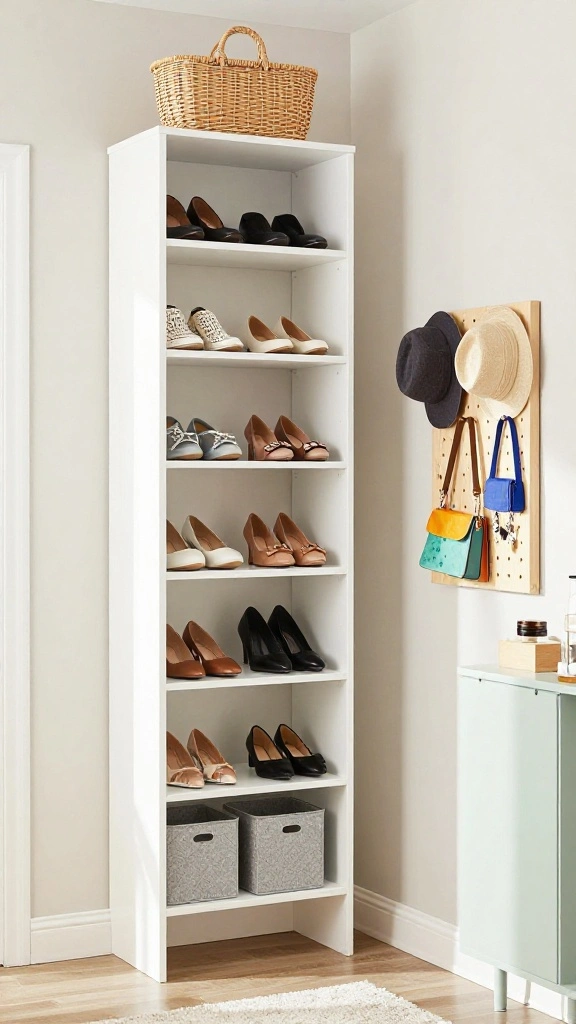
Embracing vertical space is a smart strategy in any small dressing room. By extending shelves to the ceiling, you not only create an eye-catching design element but also maximize storage without sacrificing floor space. Consider using sleek floating shelves or tall bookcases to display your favorite shoes, stylish accessories, or even a few cherished books, making the room both functional and visually appealing.
To make the most of this approach, think about incorporating stackable storage solutions on the top shelves for seasonal items you don’t use often. This clever use of space strikes a balance between practicality and style, ensuring your dressing area feels organized and open.
Consider these ideas to optimize vertical space effectively:
– Pair floating shelves with decorative baskets for added charm.
– Install tall, narrow cabinets that fit snugly against a wall.
– Use hooks or pegboards on the walls for easy access to bags and accessories.
This method enhances your dressing room’s aesthetic while providing convenient storage options, allowing you to showcase your style seamlessly.
Recommended Products

【Rounded Edges and Invisible screw Hole】The list includes hole covering stickers, which create a seamless appearance after being applied. And the edges of each layer of wood are rounded, making it safer to use.

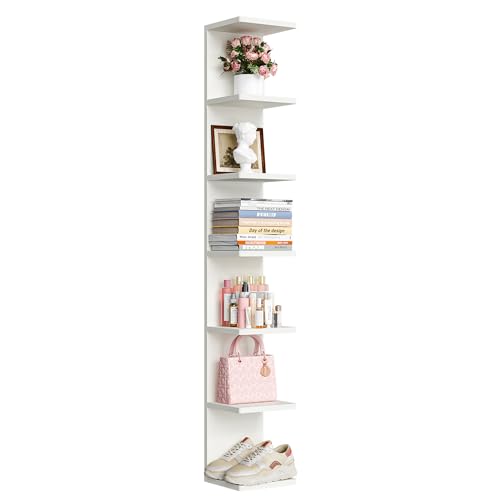
[5 Tier Wall Shelf Unit] Lack wall shelf unit (Shelf Size: W 11.8" x D 8") is perfect for creating additional storage without taking up floor space. They can be installed at various heights, allowing you to customize your wall shelving unit setup according to your needs. This vertical floating shelf is ideal for storing books, plants or personal items like pictures, photo albums, collectibles etc.
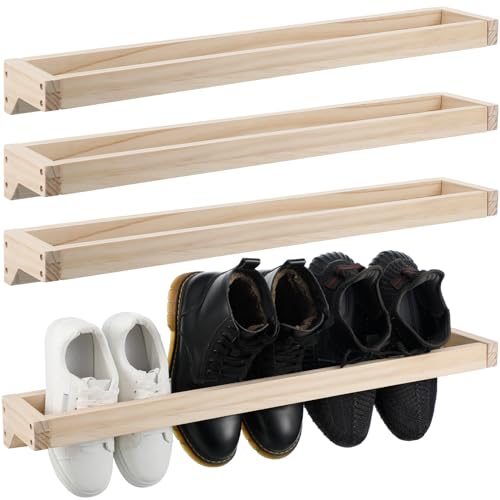
Large Capacity Design: the hanging shoe rack for wall measures about 30 x 4.9 x 2.8 inches, providing space to accommodate about 3-4 pairs of shoes; This large capacity design ensures you can keep your shoes organized without compromising on needed space; Move from clutter to an organized space with these well structured wooden racks and holding various shoes including sneakers, boots and running shoes
2. Under-bed Storage
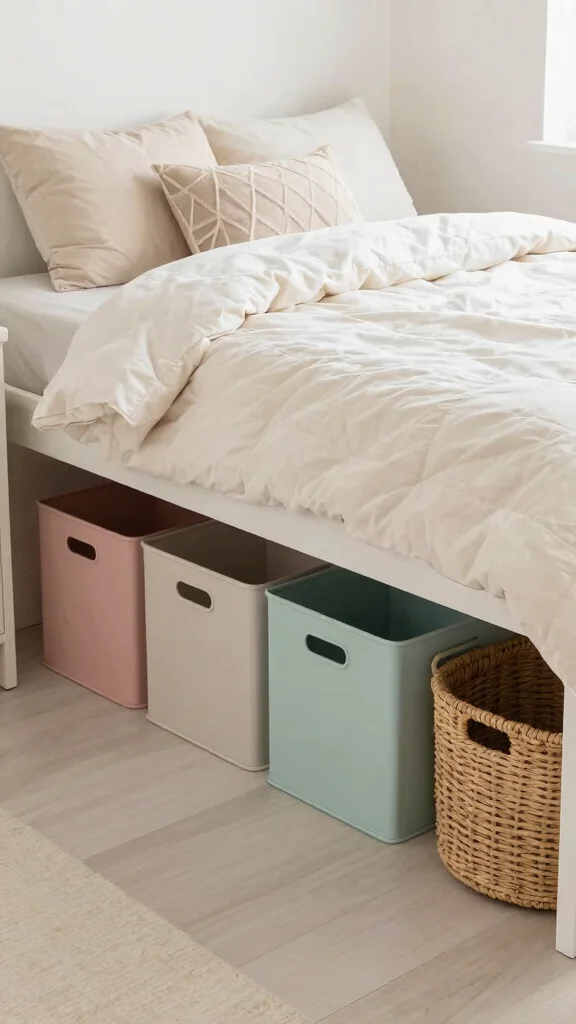
Maximizing the often-ignored space under your bed can revolutionize your dressing room storage. This hidden area is perfect for stylish bins or drawers that can accommodate out-of-season clothing, shoes, or accessories, keeping them neatly tucked away yet easily accessible. This way, your dressing room maintains a tidy and spacious feel while ensuring your essentials are at hand.
For a budget-friendly approach, consider using low-profile bins that can stack neatly or rolling drawers that glide out for quick access. This strategy not only enhances your organization but also aligns with trends that favor multifunctional storage solutions.
Implement these under-bed storage tips:
– Opt for storage bins with decorative lids for a polished look.
– Choose rolling drawers that make accessing items effortless.
– Incorporate woven baskets to add texture and style.
Utilizing under-bed space transforms your dressing area into a clutter-free haven, allowing you to focus on what truly matters.
Recommended Products

【Maximize Your Space】Transform even the tightest spaces into an organized haven. Whether in a small apartment, dorm room, or rv, this narrow cabinet helps you make the most of every inch, ensuring that even the smallest areas are tidy and functional.
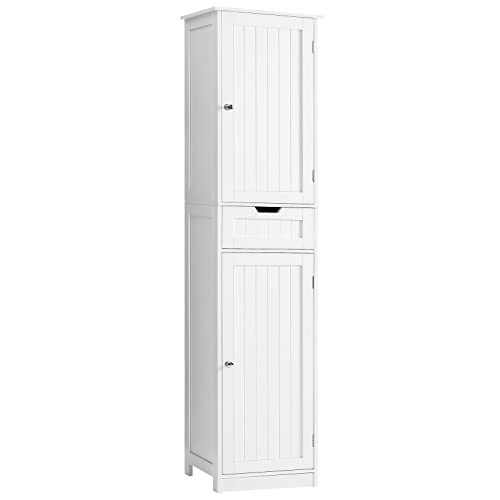
【Perfect for Tight Spaces】It is 67" tall so is a great vertical storage solution, while taking very little floor space. Measuring just 15.7"L x 11.8"D at the base, it easily fits into narrow nooks. With 6 hidden shelves and a spacious drawer(store all your movies, CDs, photos) , this cabinet provides plenty of some eye level storage.

Vertical Space Savior: Maximize small bathroom/laundry room spaces with this 66.9" height tower cabinet. Its ultra-narrow 11.8" depth fits perfectly beside toilets, in corners, or tight apartment spaces where every inch counts.
3. Multi-functional Furniture
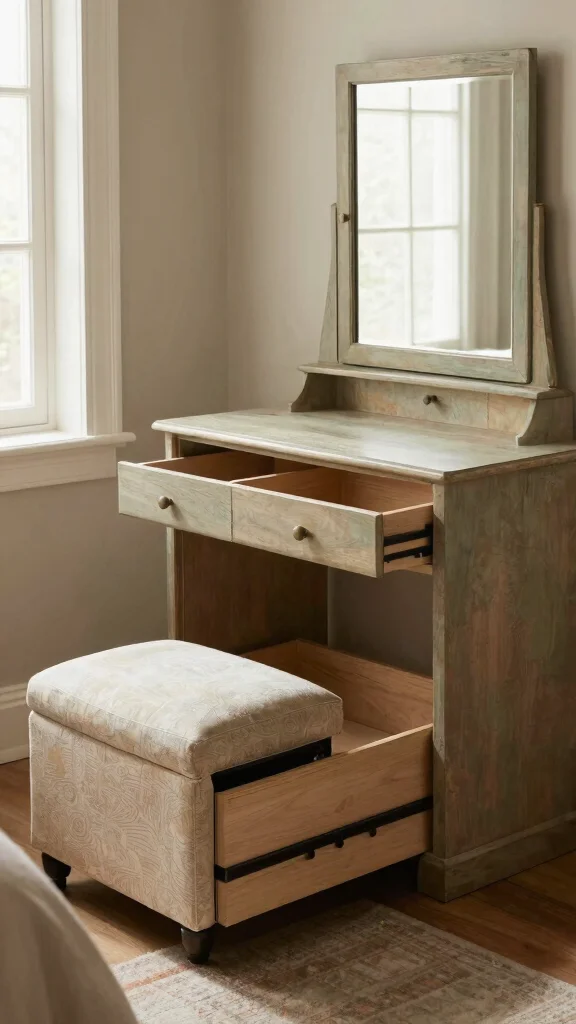
Choosing multi-functional furniture can dramatically change your dressing room experience. Look for pieces like ottomans or benches that not only provide seating but also hide away shoes or accessories. This practical approach not only saves space but also enhances the overall decor with stylish, functional pieces.
To add versatility without breaking the bank, consider furniture options that combine beauty and utility, like a vanity with storage space for your makeup essentials. This trend reflects a growing desire for both aesthetics and practicality in personal spaces.
Explore these multi-functional furniture ideas:
– Choose storage ottomans that offer both seating and hidden space.
– Select a vanity with drawers to keep your essentials organized.
– Incorporate mirrored furniture to create a sense of openness.
With these selections, you can maintain a chic and organized dressing room that proves utility can also be stylish.
Recommended Products

Value Package: Our pegboard tool organizer comes with 120pcs pegboard accessories,16 different type pegboard hooks including 5pcs pegboard bins, curved hooks, angled hooks, straight hooks, and ring tool holder, multi tool rack. 49pcs of them are peg locks for fixing hooks

Stylish Pink Finish: Elevate your organization with a pop of color. Unlike standard industrial silver hooks, our refined pink powder-coated finish adds a modern, aesthetic touch to your workspace, making it perfect for craft rooms, boutiques, boutiques, or creative studios.

PEGBOARD WITH HOOKS KIT: The pegboard wall organizer comes with 4pcs metal pegboard panels and 66pcs pegboard accessories in 9 different types, including 3pcs pegboard bins, 3pcs pegboard cups, paper towel holder, steel tray, curved hooks, straight hooks, and peg lock to double fit the hooks
4. Mirrors for Illusion
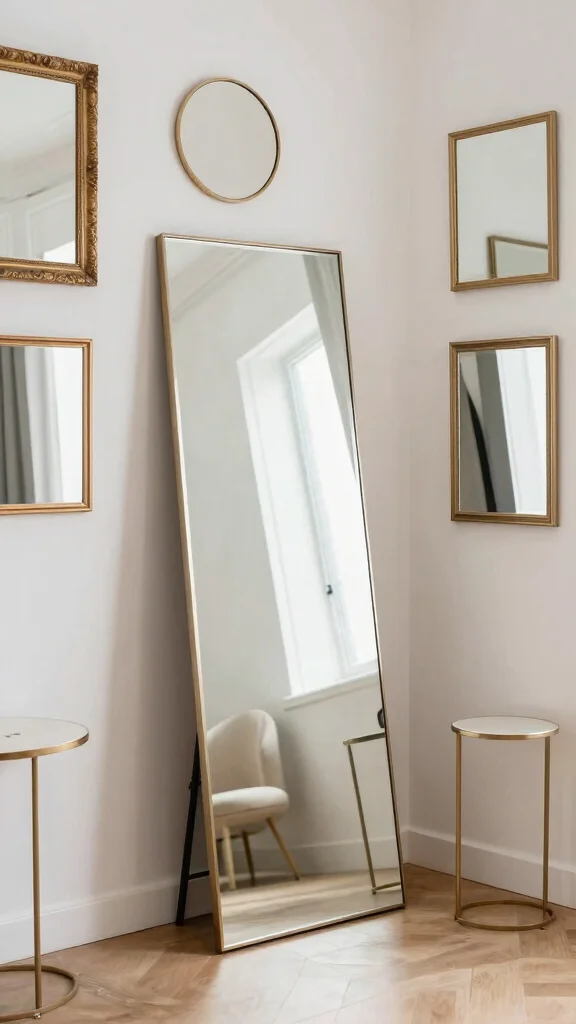
Mirrors are a powerful design tool in small spaces, effectively creating an illusion of depth and brightness. By strategically placing a full-length mirror or incorporating mirrored furniture, you can enhance your dressing room’s overall ambiance and make it feel more expansive.
For the best effect, position mirrors to reflect natural light or interesting views, amplifying the space’s openness. This approach aligns beautifully with current trends that prioritize light and airy environments.
Consider these mirror strategies:
– Position full-length mirrors to maximize light reflection.
– Use mirrored furniture to add elegance and depth.
– Create a gallery wall with various mirrors for visual interest.
These elements not only serve practical purposes but also become stunning focal points, elevating your dressing area’s design.
Mirrors are the secret weapon in small dressing room ideas space saving. A full-length mirror doubles depth and bounces window light, making mornings calmer. Place it so it reflects natural views for an open feel.
Recommended Products

Foldable & Quick Setup: This foldable storage ottoman allows effortless tool-free quick assembly within just minutes. The storage bench can fold completely flat when unused and neatly tucked under bed or closet to save extra indoor storage space

【QUICK ASSEMBLY, EASY FOLDAWAY】This storage ottoman from the SONGMICS MAZIE Collection has a foldable design that allows quick setup in seconds by simply inserting the bottom panel. Easily fold and store it under the bed or in a closet when not in use

【QUICK ASSEMBLY, EASY FOLDAWAY】This storage ottoman from the SONGMICS MAZIE Collection has a foldable design that allows quick setup in seconds by simply inserting the bottom panel. Easily fold and store it under the bed or in a closet when not in use
✨ Transform Your Space Effortlessly!
Unlock the secrets to stunning home decor with our DIY guide and maximize your small dressing room’s style and function.
5. Color Coordination
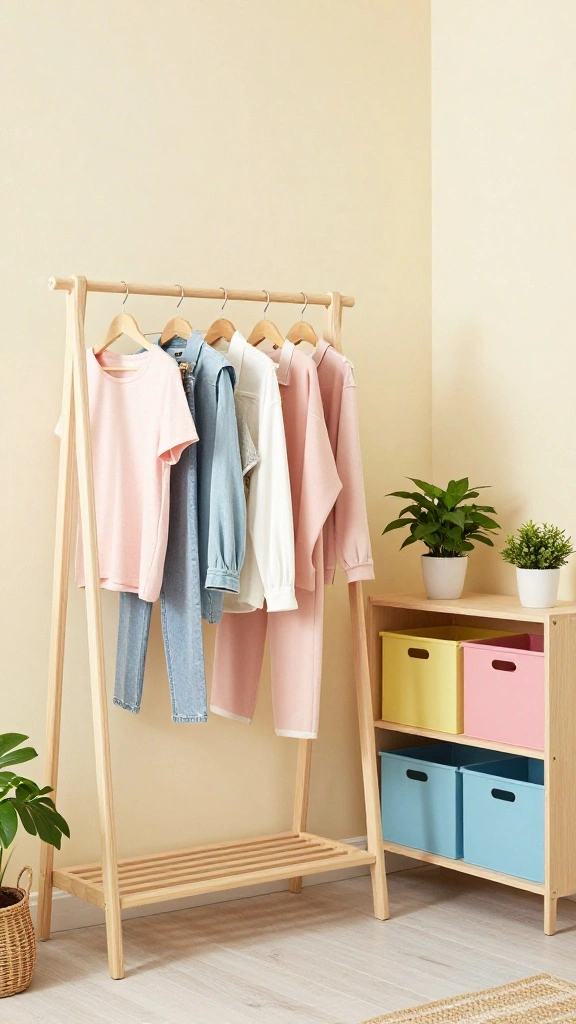
The right color scheme can significantly influence how spacious your dressing room feels. Opting for a light color palette helps create an airy atmosphere while using darker tones as accents adds depth. Soft pastels or whites, complemented by bolder colors, keep your space looking fresh and inviting.
To implement this effectively, consider painting the walls in soft hues and using colorful accessories that bring character without overwhelming the senses. This approach reflects the broader design trend toward creating calming, harmonious spaces.
Try these color coordination tips:
– Paint walls in soft shades like pale blue or creamy white.
– Use colorful bins to add personality while staying organized.
– Maintain a consistent color scheme for furniture and decor.
By thoughtfully selecting your color tones, you can craft a small dressing room that feels both stylish and spacious.
Did you know? Light colors can make a small dressing room feel up to 20% larger. For small dressing room ideas space saving, pair soft whites or pastels on walls with colorful accessories for character and space-saving, without clutter.
Recommended Products

Versatile Wooden Wall Shelf: This helps you stay organized and keep everything in order in small spaces. Use it in your bedroom to hold candles and cosmetics, in living room to display pictures and plants, in your office to display books and stationary, or even in your kitchen for jars and spices

Bedside Wall Organizer for Daily Essentials: Keep your phone, remote, glasses, earbuds, cosmetics, small book, or other bedside items within easy reach. This bedside wall organizer creates a compact storage spot next to your bed without taking up floor space, making it a practical choice for small bedrooms, dorm rooms, loft beds, bunk beds, and RV sleeping areas.

【Smart Bluetooth Speaker & Touch Display】 Stream music through the built-in high-fidelity Bluetooth speaker while you get ready. The smart touch screen shows real-time temperature and time, activates an anti-fog defogger to keep the mirror clear, and offers one-touch volume and Bluetooth controls—turning your everyday jewelry mirror organizer into a personal speaker mirror for your bedroom or dressing room.
6. DIY Storage Solutions
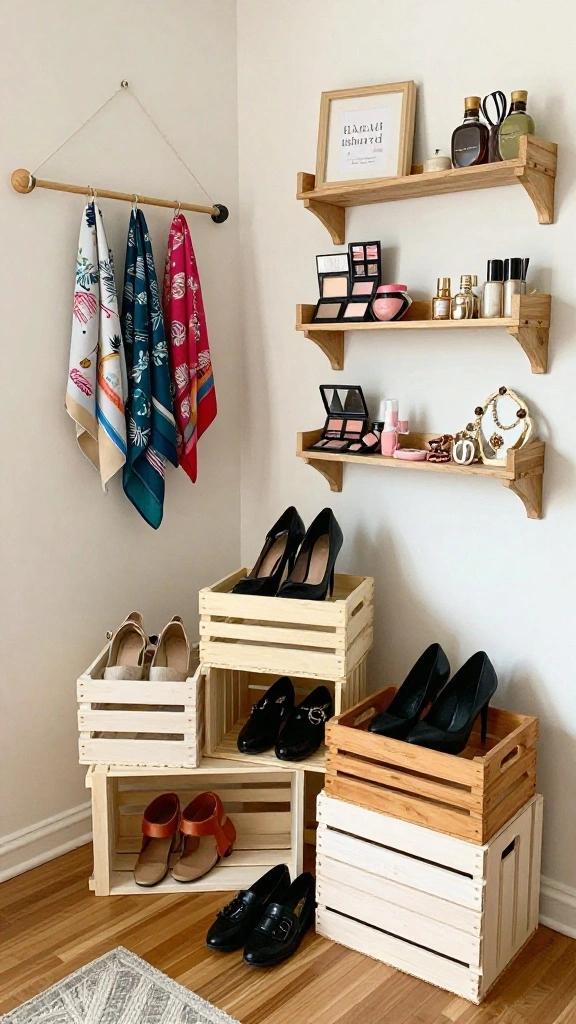
Embrace your creativity with DIY storage solutions that add a personal touch to your dressing room. Custom shelves, hanging organizers, or repurposed items can meet your storage needs while being budget-friendly. With some inventive thinking, you can transform everyday materials into stunning storage pieces that reflect your personal style.
Consider using reclaimed wood or simple brackets to build shelving that fits your theme. DIY projects also allow you to express your personality while solving storage issues.
Check out these DIY storage ideas:
– Stack repurposed wooden crates for a rustic shoe storage unit.
– Create hanging racks with tension rods for scarves or ties.
– Build customized shelves for easy access to makeup or jewelry.
These projects not only address your storage needs but also infuse your dressing room with charm and individuality.
Recommended Products

FASHIONABLE GLOWING STORAGE DISPLAY: Transform your shoes into wall art with our transparent, suspended hanging shoe rack featuring colored lights. It optimizes wall space to organize and display your collection, keeping it tidy and within reach.
【Rounded Edges and Invisible screw Hole】The list includes hole covering stickers, which create a seamless appearance after being applied. And the edges of each layer of wood are rounded, making it safer to use.

【Clear Floating Shoe Display】Showcase your favorite shoes with a clean, modern wall display. These acrylic shoe shelves help turn sneakers, heels, and sandals into visible wall décor while keeping your collection easy to vie
7. Closet Door Transformations
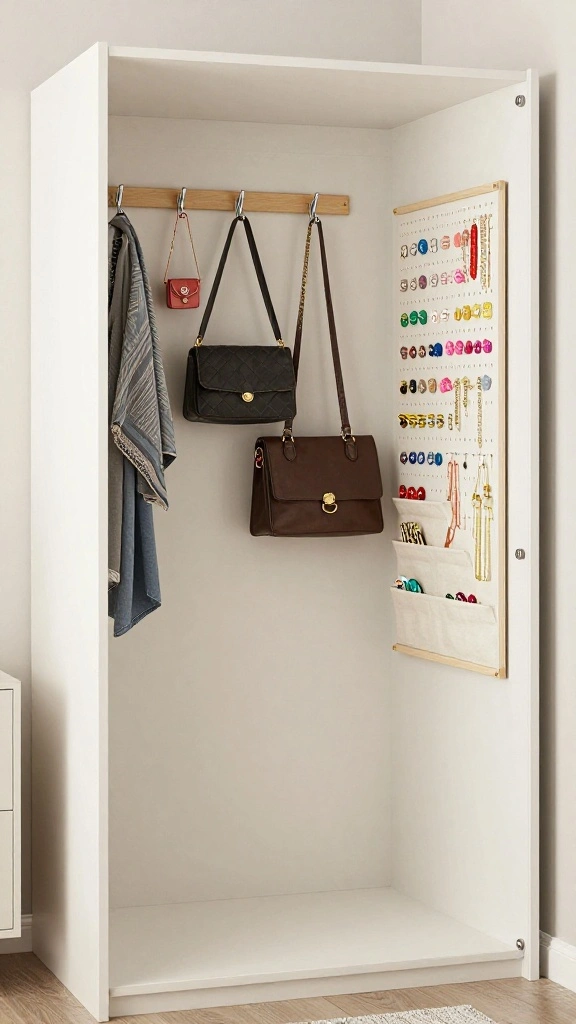
Closet doors can be a hidden gem for extra storage opportunities in your dressing room. By adding hooks, pegboards, or fabric organizers inside the doors, you can keep accessories, jewelry, or shoes organized and easily accessible. This simple transformation maximizes your space while enhancing the functionality of your dressing area.
For a creative touch, consider painting the doors or adding decorative elements that complement your overall style. This approach is increasingly popular as it combines aesthetics with practicality.
Explore these closet door ideas:
– Install hooks for handbags or accessories to keep them tidy.
– Use a pegboard for hanging jewelry without tangles.
– Hang fabric organizers for compact storage of smaller items.
These transformations ensure your dressing room is a well-organized sanctuary, making it a delight to use every day.
Recommended Products

Optimize Narrow Spaces: Measuring 7.9"D x 23.6"W x 31.5"H, the cabinet is compact yet it offers 6 internal compartments, including one for toilet paper and a space for a toilet brush, allowing you to organize your daily items efficiently

Snapsemble Superfast Assembly: Simply snap the panels into place to assemble this storage cabinet in about 15 minutes—no tools required. Pre-installed connectors, recognized with the GOOD DESIGN AWARD 2024, make assembly quick and easy, even for beginners

High-quality stainless steel material: durable, rust-proof and non-fading. It is made of high-quality stainless steel, with full-area metal mirror polishing technology + vacuum titanium plating technology. The appearance is bright and high-end, and it will never fade, strong and fall-resistant.
You might also like
Dimensions & Size Guide
Standard Sizes & Measurements:
When planning your small dressing room, knowing the right dimensions is crucial. Most standard wardrobes measure around 24 to 72 inches in width. A good height for hanging clothes is 60 inches for short garments and up to 72 inches for long dresses. Shelves are best at 12 to 16 inches deep. Leave at least 36 inches of space for walking paths to ensure easy access to your clothing and accessories.
For a small dressing room, consider a minimum space requirement of 40 square feet. This allows for basic furniture like a small wardrobe, a mirror, and some shelving. If you’re using space-saving furniture, you can still have a functional area in as little as 30 square feet. Aim to keep the room uncluttered to enhance its perceived size.
Quick Reference Table:
Size/Dimension – Best for: [Use Case], Minimum space needed: [Measurement]
– 24-36 inches wide – Best for: Compact wardrobes, Minimum space needed: 30 square feet
– 60-72 inches tall – Best for: Long dresses or coats, Minimum space needed: 36 inches clearance
– 12-16 inches deep – Best for: Shelves and drawers, Minimum space needed: 24 inches clearance for access
– 36 inches wide – Best for: Small dressing tables, Minimum space needed: 24 square feet
Space Planning Tips:
1. Measure Twice: Always double-check your measurements before buying furniture. People often forget to account for baseboards or moldings that can affect space.
2. Plan for Movement: Consider how you will move around your dressing room. Ensure there’s enough space to open drawers and doors fully without obstruction.
3. Use a Floor Plan: Sketch out your space on graph paper or use a digital tool. This can help you visualize where each piece of furniture will fit.
4. Leave Room for Lighting: Natural light can make a small space feel larger. Ensure your design allows for adequate window space or add mirrors to reflect light.
5. Think Vertically: Don’t forget about ceiling height. Wall-mounted shelves can help you use vertical space effectively, avoiding clutter on the floor.
Pro Tip: The most critical measurement to remember is the clearance needed for movement. Always allow at least 36 inches in aisles for a comfortable and functional dressing room. This small detail can make your space feel open and accessible!
Recommended Products

METAL NAILBOARD: Our peg board panels are made of high quality steel with a powder coated finish that is strong, scratch resistant and easy to clean. Each small pegboard has a weight capacity of up to 50 lbs. This is a favorite product for tool organizers, DIY enthusiasts, store owners and office workers.

hooks,peg hooks,storage hooks

Package Including: pegboard Hook set includes 15 pegboard hooks; Ensuring you have enough hooks to meet your storage needs; At a handy size of about 1.38 x 0.59 inches/ 3.5 x 1.5 cm; Note This nail board accessory kit is only compatible with IKEA nail boards; The hole size of the nail board is different from the standard nail board; If you are buying traditional pegboards, these pegboards are not suitable
8. Open Hanging Racks
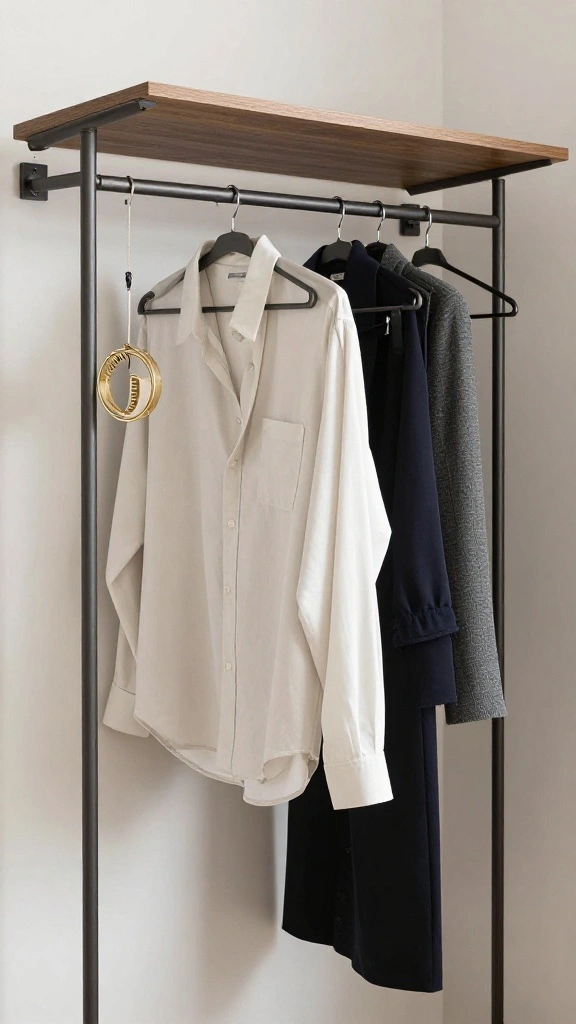
Open hanging racks serve as both a practical solution and an opportunity to make a fashion statement in your dressing room. Instead of traditional closets, showcasing your favorite clothes and accessories on a stylish rack keeps everything visible while adding a chic design element.
To enhance this look, consider industrial-style racks that complement your decor and use color-coded arrangements to create an aesthetically pleasing display. This trend celebrates individuality and encourages an organized approach to getting dressed.
Incorporate these ideas for open hanging racks:
– Choose metal or wooden racks that fit your decor style.
– Organize clothes in a color-coded fashion for visual appeal.
– Add hooks or small shelves for accessories to keep them handy.
Open racks not only encourage organization but also showcase your unique style, making your dressing experience enjoyable.
Recommended Products

Sit in Comfort: This vanity chair features a 13"D x 17.1"W cushioned seat and an ideal height of 19.7". Wrapped in furry plush fabric and padded with 1.2" high-resilience foam, it provides lasting comfort even during longer makeup sessions

Elegant Focal Point for Your Home: With its chic linen-look fabric and tufted design, this shoe storage bench enhances any living room or bedroom decor, working beautifully as an end of bed bench or a cozy window seat

Measures: overall (30"L x 13"W x 13"H); folding (30"L x 13"W x 2.5"H) Weight (10 LBS); Max weight capacity is 200 LBS.
9. Foldable Furniture
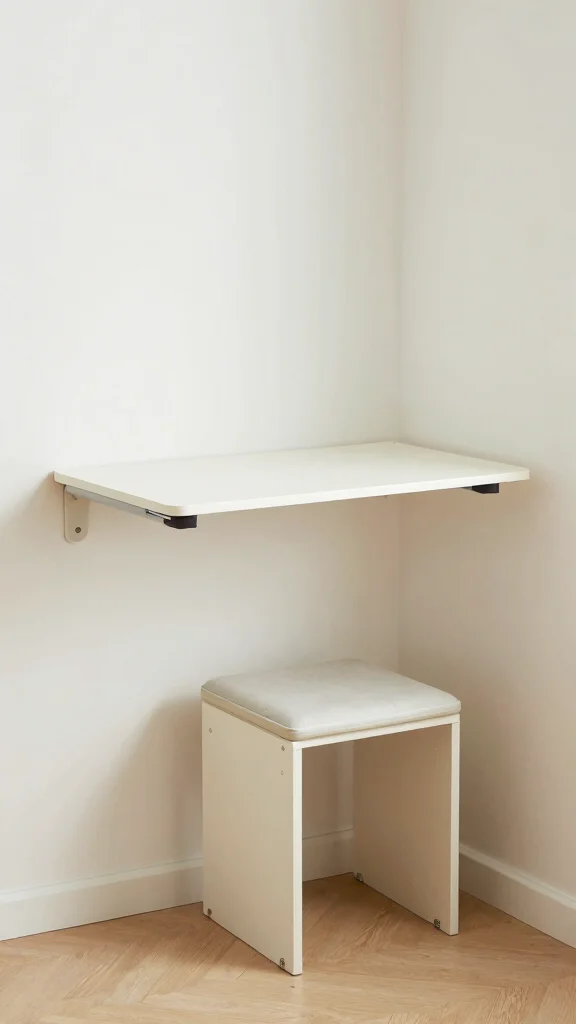
In a small dressing room, foldable furniture can be a lifesaver. Items like foldable chairs or tables can be tucked away when not in use, allowing you to maintain flexibility in your space. This smart approach ensures you have the furniture you need without overcrowding your room.
Look for options that blend practicality with style, like a folding vanity or a compact stool that provides seating without taking up too much room. This trend highlights a preference for adaptable spaces that cater to your lifestyle.
Consider these foldable furniture options:
– Opt for a folding vanity that stores neatly when not needed.
– Use a small, foldable stool for occasional seating.
– Look for wall-mounted tables that fold down for convenience.
Foldable furniture enhances your dressing room’s functionality, ensuring it remains user-friendly and stylish.
10. Natural Light Emphasis
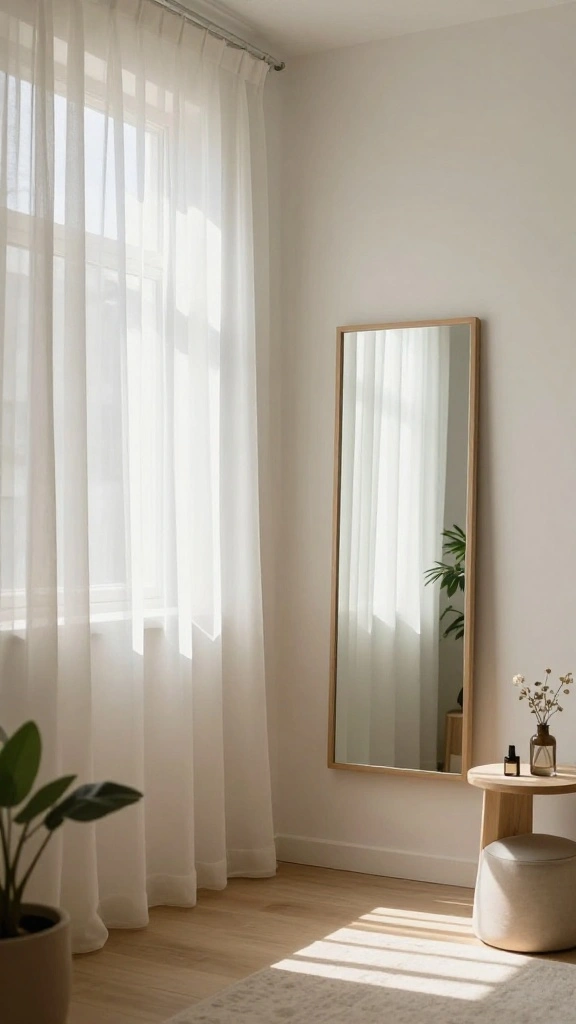
Emphasizing natural light can transform your small dressing room into a welcoming and open space. Maximize your windows with light, airy curtains that allow sunlight to flood in while maintaining privacy. Positioning mirrors across from windows can further amplify brightness and create an illusion of more space.
For a warm atmosphere, consider using sheer fabrics that soften the light and painting the walls in reflective colors. This approach aligns with the trend of creating bright, uplifting environments.
Here are some tips to enhance natural light:
– Choose sheer curtains to let in plenty of light.
– Strategically place mirrors to reflect outside light into the room.
– Paint the room with light colors to increase brightness.
By prioritizing natural light, you’ll cultivate a vibrant dressing area that feels inviting and cheerful.
11. Rotating Clothing Rack
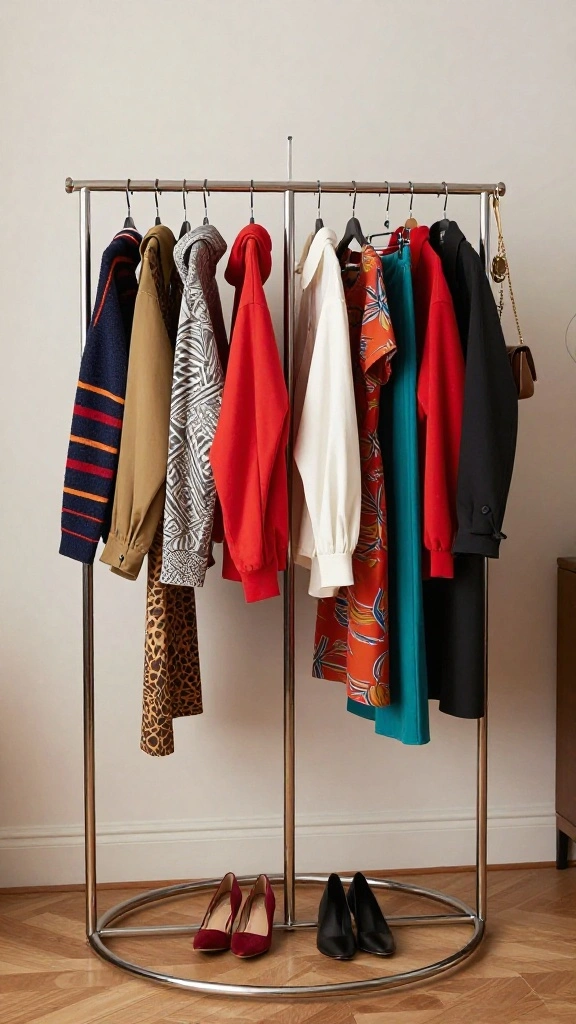
A rotating clothing rack adds both convenience and style to your dressing room. This innovative solution allows for easy access to your wardrobe while serving as a statement piece in your space. Look for a rack that showcases your favorite pieces, rotating them for effortless visibility.
For a cohesive look, choose a design that complements your decor style, whether it leans modern or vintage. This trend not only maximizes functionality but also celebrates personal style.
Consider these features for your rotating rack:
– Invest in a stylish design that fits your aesthetic.
– Ensure it’s easily reachable for quick outfit selection. br>- Add hooks for accessories on the side for extra functionality.
This dynamic storage solution makes dressing up enjoyable while keeping your essentials within easy reach.
Fun fact: a rotating clothing rack can boost accessibility by up to 40% in a small dressing room, letting you see more outfits at a glance. In minimalist spaces, rotating pieces keeps your wardrobe visible without crowding the floor, combining style with space-saving practicality.
12. Seasonal Storage Solutions
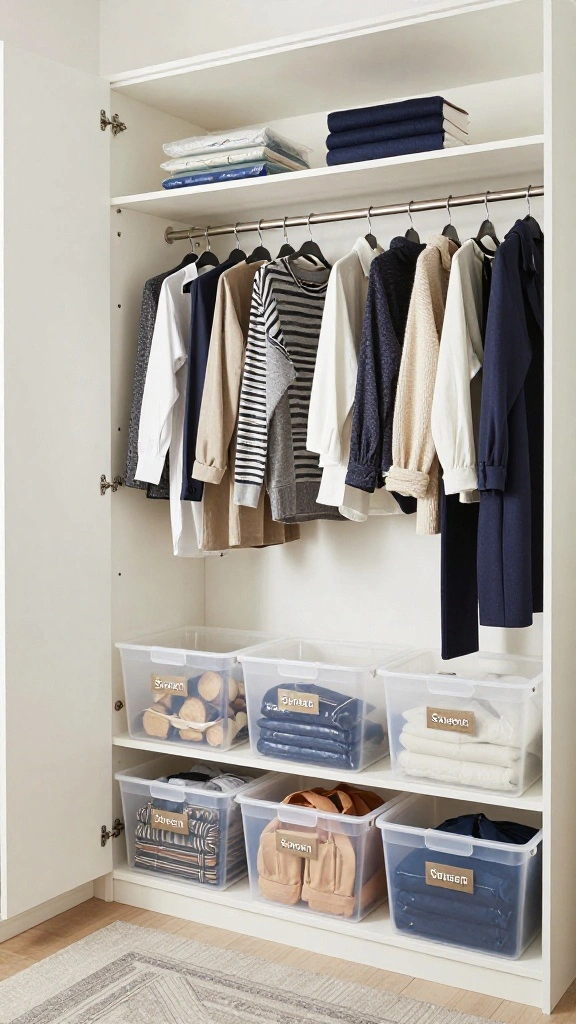
Seasonal storage solutions can significantly declutter your dressing room by rotating your wardrobe. Store out-of-season clothes in stylish bins or vacuum-sealed bags to keep them out of sight but readily accessible when needed. This method maximizes space and keeps your everyday wardrobe manageable.
For organization, use labeled bins or clear containers to easily identify seasonal items. This ongoing practice aligns with the trend of maintaining a curated closet that reflects your current style.
Implement these seasonal storage strategies:
– Use vacuum-sealed bags to save space and keep clothes fresh.
– Opt for clear or labeled bins for easy identification.
– Regularly rotate your wardrobe to keep it fresh and functional.
Seasonal storage solutions help keep your dressing room organized, ensuring your daily clothing is always accessible and in order.
13. Minimalist Decor
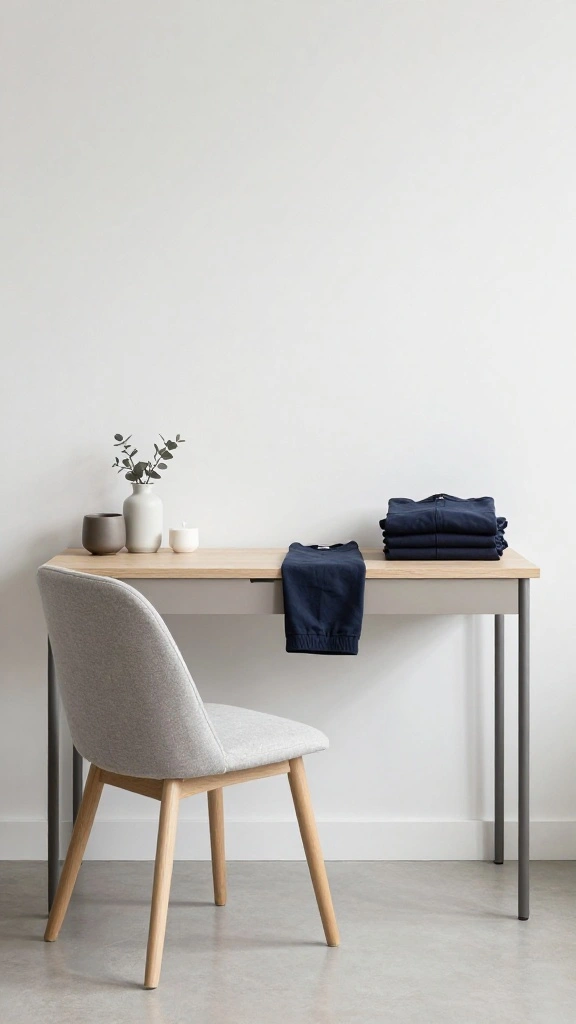
Adopting a minimalist decor approach can create a serene and calming dressing room. A space free of clutter, featuring only essential pieces, enables you to focus on your wardrobe without distractions. By selecting simple designs and a limited color palette, you enhance the tranquil atmosphere.
To achieve this look, keep furniture to a minimum, incorporating only what you need, such as a chair and a simple table. This trend emphasizes relaxation and clarity in personal spaces.
Here’s how to embrace minimalism:
– Limit furniture to essentials, like a chair and a table.
– Use only a few decorative items that resonate with your style.
– Maintain an organized display of clothes and accessories.
Minimalist decor promotes relaxation, making your dressing room a peaceful retreat for getting ready each day.
14. Utilize Corner Spaces
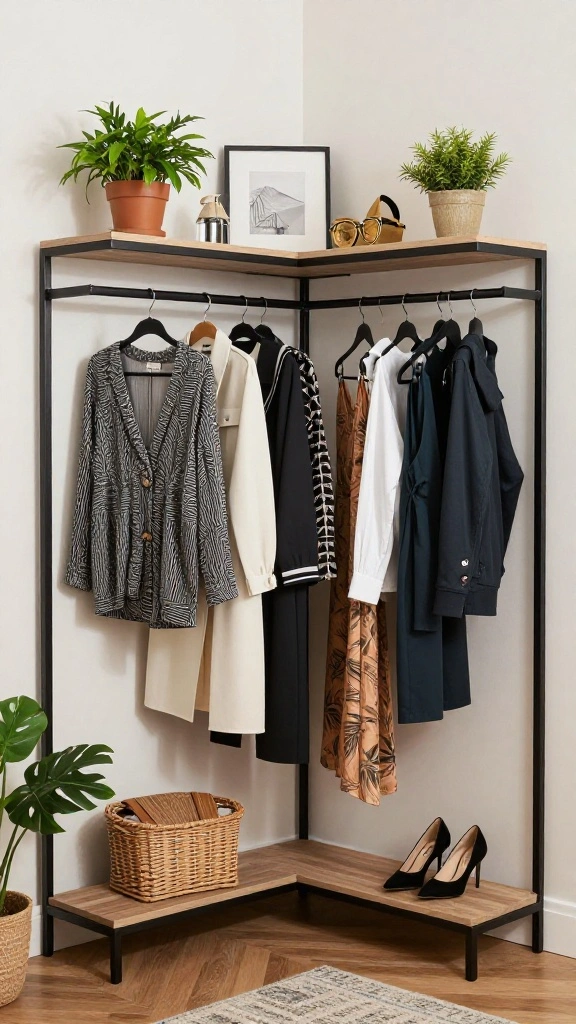
Don’t let corners go to waste in your dressing room! Utilizing corner spaces with shelves or an L-shaped clothing rack can transform awkward areas into functional storage solutions. This clever strategy maximizes every inch while adding unique design elements to your space.
Consider installing corner shelves for small items or using an L-shaped rack that fits snugly, optimizing your layout. This approach resonates with the trend of making every corner count in home design.
Here are some ideas for utilizing corner spaces:
– Install corner shelves for an efficient storage solution.
– Use an L-shaped clothing rack to optimize layout.
– Add decorative plants to enliven corners without taking up much room.
By creatively using corners, you can elevate your dressing room’s style and functionality, making it feel more inviting.
15. Accessory Displays
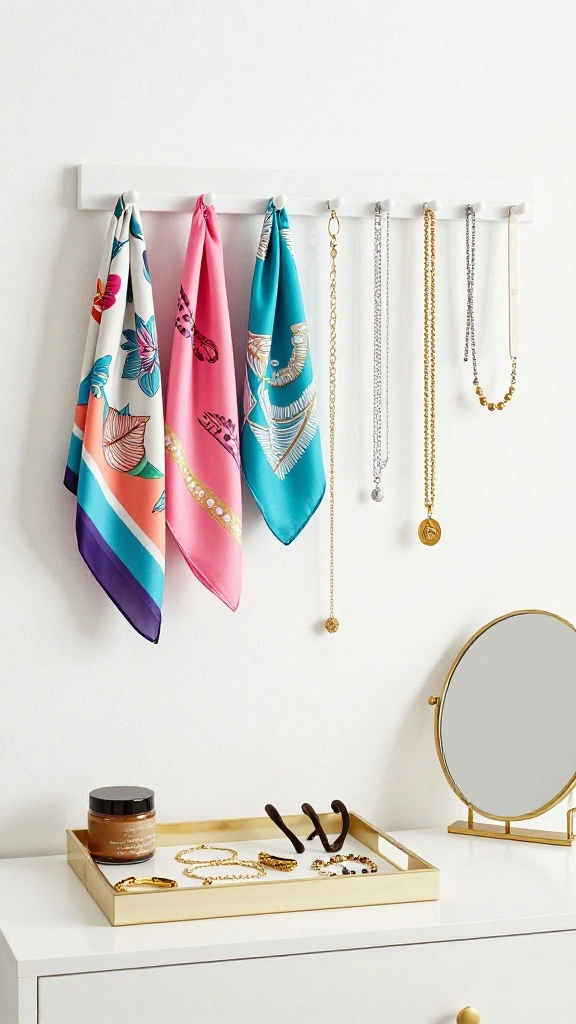
Showcasing your accessories not only keeps them organized but also enhances the visual appeal of your dressing room. Use wall-mounted racks or decorative trays to display scarves, jewelry, and hats while maintaining a neat environment. This arrangement allows for easy access while adding flair to the decor.
To add a personal touch, choose racks that complement your style or incorporate trays that reflect your taste. This trend highlights the importance of organization paired with aesthetic appeal.
Consider these accessory display ideas:
– Install wall-mounted racks for scarves or jewelry that double as decor.
– Use decorative trays on your vanity for easy access to smaller items.
– Create shadow boxes for special pieces to showcase.
By turning accessories into displays, you elevate your dressing room’s style while ensuring everything is easily accessible and orderly.
16. Personal Touches
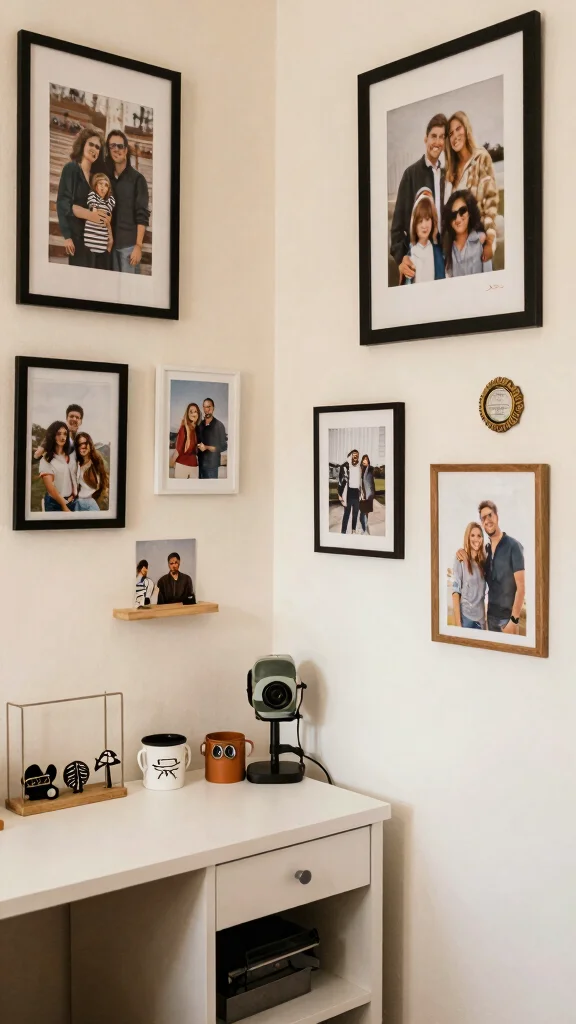
Incorporating personal touches can make your small dressing room feel uniquely yours. Whether it’s framed photos, artwork, or items that resonate with your personality, these elements bring warmth to the space. Personalization enhances organization, crafting an environment that is both functional and inviting.
To infuse character, hang a few favorite photos or incorporate small pieces of art that inspire you daily. This trend emphasizes the connection between a space and its inhabitant.
Explore these ideas for adding personal touches:
– Hang framed photos that inspire you daily.
– Incorporate small pieces of art that resonate with your style.
– Display unique finds from travels or personal achievements.
By integrating personal elements, you create a dressing room that reflects your true self, elevating the space’s overall charm.
17. Simplify and Declutter
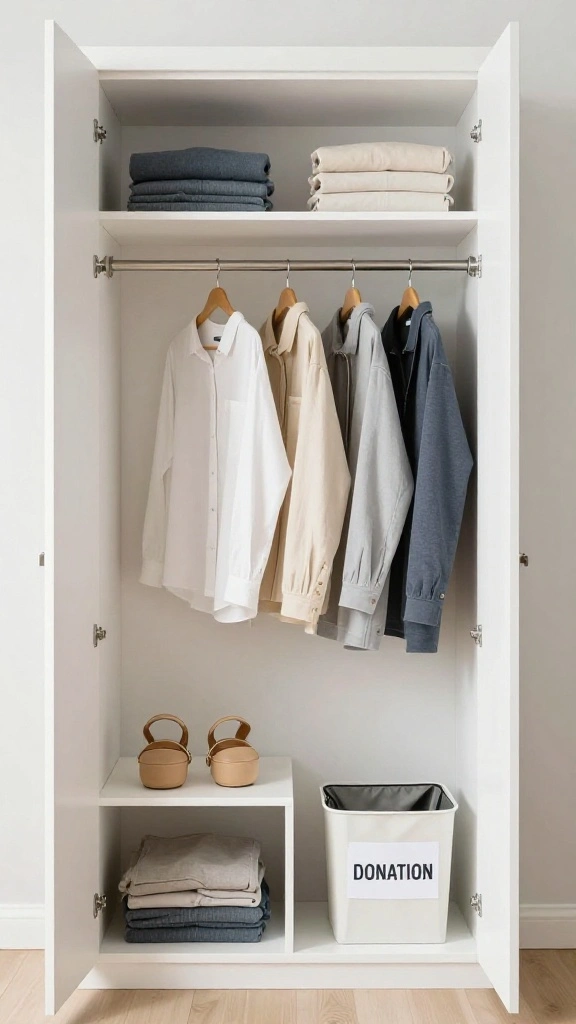
Regular decluttering is key to maintaining a fresh and invigorating dressing room. Periodically assess your wardrobe and accessories, removing items that no longer serve you. By prioritizing quality over quantity, you can make getting dressed a more enjoyable experience.
Set a schedule for seasonal reviews to keep your space organized and ensure it aligns with your current style. This practice resonates with the minimalist trend of curating personal spaces.
Here are some decluttering tips:
– Schedule regular seasonal purges of your wardrobe.
– Keep only items you truly love or need.
– Set up a donation bin for items you’re ready to part with.
Simplifying and decluttering your dressing room ensures it remains a peaceful retreat, helping you feel good about what you wear each day.
Conclusion
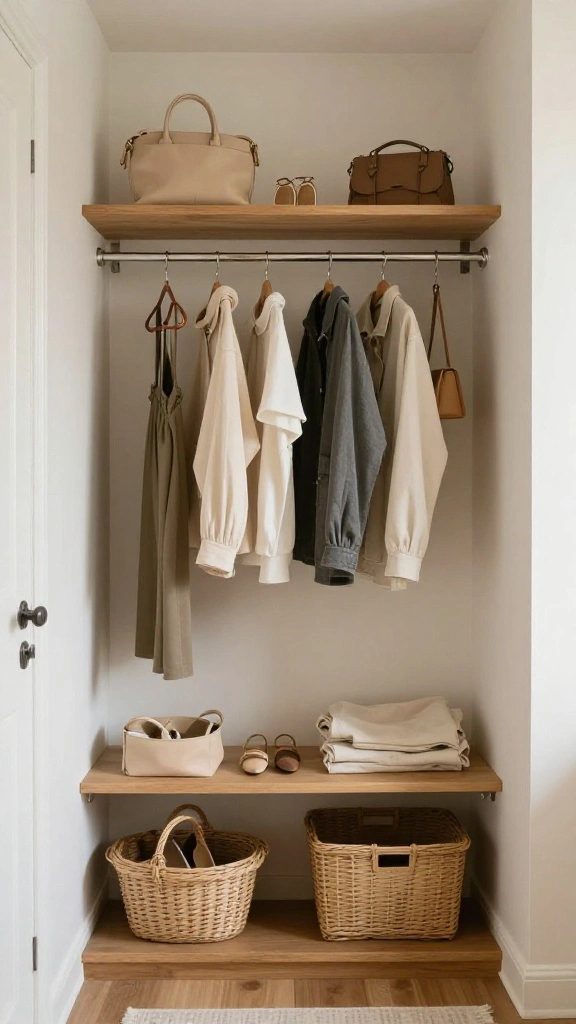
Transforming a small dressing room into a stylish and functional space is entirely achievable with a bit of creativity and planning. From maximizing vertical space to embracing minimalist decor, these ideas lay the groundwork for a well-organized area that reflects your personal style. Regular maintenance and thoughtful storage solutions can ensure your dressing room remains a joyful space tailored just for you.
Frequently Asked Questions
What are the best small dressing room ideas for space saving without sacrificing style?
There are many ways to squeeze function from a small space. Start with vertical storage: install wall-mounted shelves, a tall narrow wardrobe, and a ceiling-height clothing rail to free floor space.
Choose space-saving furniture like a slim dresser or modular cubbies, and add a door-mounted organizer to use usually wasted door space.
Use a large mirror and a light, neutral palette to visually expand the area, keeping the look minimalist dressing room. Finish with DIY storage solutions like labeled bins, clear shoe racks, or a magnetic strip for jewelry to stay ultra-organized.
How can I maximize dressing room organization in a tiny space?
First declutter and assign zones: hanging items, long garments, accessories, and a small seating area if possible.
Double up hanging by a space saving double-rod system or a compact garment rack. Use vertical space with stackable bins and shelf dividers.
Label transparent bins so you can find items quickly. Use uniform hangers to create a neat line and consider a slim bench with hidden storage. With these steps, your dressing room becomes calm, efficient, and dressing room organization focused.
What space-saving furniture pieces work well in a minimalist dressing room?
Look for slender, multifunction pieces: a tall, slim wardrobe; wall-mounted shelves and a floating vanity; a fold-down desk that tucks away; an ottoman or bench with hidden storage; a narrow shoe rack or vertical shoe cubby. Choose furniture with clean lines and neutral finishes to keep the minimalist dressing room vibe while maximizing storage. Pair with space saving furniture for a cohesive look.
Which DIY storage solutions are affordable ideas for a small dressing room makeover?
Try budget-friendly options that make a big impact: pegboard organizers for accessories; curtain-rod dividers to section off shelves; fabric bins with clear fronts; repurposed dresser drawers painted to create a compact vanity; mason jars or small tins on a magnetic strip for jewelry; and repurposed magazine holders for scarves. You can also update knobs/handles on existing furniture and add removable hooks for seasonal items. All of these are DIY storage solutions that boost dressing room organization without breaking the bank.
How can lighting and mirrors help a small dressing room feel bigger?
Light makes space feel larger. Use a large mirror or a wall of mirrors to bounce light and visually widen the room.
Install daylight or warm LED lighting along shelves for crisp task lighting, and keep window treatments minimal to let natural light flood in. Pair reflective surfaces with a light color palette to emphasize a clean, airy small dressing room aesthetic and boost space saving.
Related Topics
small dressing room
space saving solutions
minimalist design
dressing room organization
DIY storage
small room decor
compact furniture
budget friendly
functional design
quick tips
beginner friendly
modern minimalism