
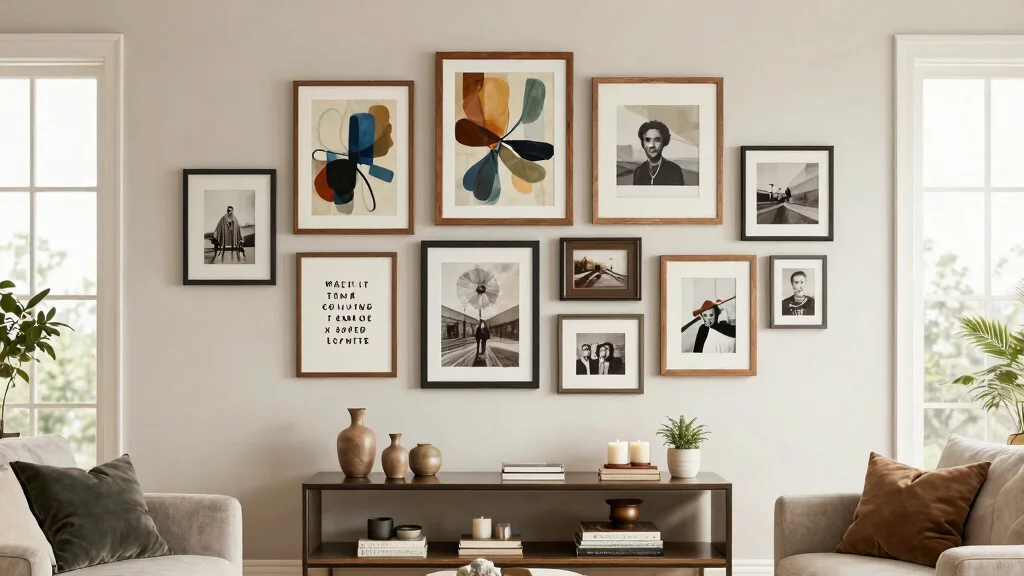
Are you feeling overwhelmed by blank walls in your home? You’re not alone. Many of us crave a personal touch that transforms our spaces into reflections of our personalities. The quest for the perfect wall art placement can be daunting, but it doesn’t have to be! That’s why I created this guide. I want to help you elevate your home decor with thoughtful wall art arrangements that truly make a statement.
If you’re someone who loves interior design or simply wants to add a bit of flair to your living space, this blog post is tailored just for you. Whether you’re decorating a cozy apartment or a spacious home, understanding effective wall art arrangement techniques can dramatically change the look and feel of your rooms. You’ll discover tips that are not only stylish but also practical, ensuring your artwork feels intentional and harmonious.
In this post, you’ll uncover 13 wall art arrangement tips that will guide you in creating stunning gallery walls and personalized displays. From selecting a theme to experimenting with heights, each tip is designed to inspire creativity and confidence in your decorating journey. By the end, you’ll have actionable advice that helps you position your artwork flawlessly, making your home the envy of friends and family.
Key Takeaways
– Create a Theme: Develop a cohesive look by choosing a central theme for your wall art that reflects your personality and taste. This helps guide your selections and creates a unified feel.
– Consider the Scale: Pay attention to the size of your artwork in relation to the wall and furniture. Larger pieces can create impact, while smaller works can be grouped for visual balance.
– Experiment with Height: Don’t be afraid to hang art at different heights. Try placing artwork eye-level or even higher to draw the eye upwards and maximize your space.
– Mix Frame Styles: Use a variety of frame styles to add character and depth to your gallery wall. Mixing modern and vintage frames can create an eclectic yet harmonious display.
– Add Lighting: Enhance your wall art with proper lighting. Use spotlights, wall sconces, or picture lights to highlight your favorite pieces and create a warm ambiance.
1. Create a Theme
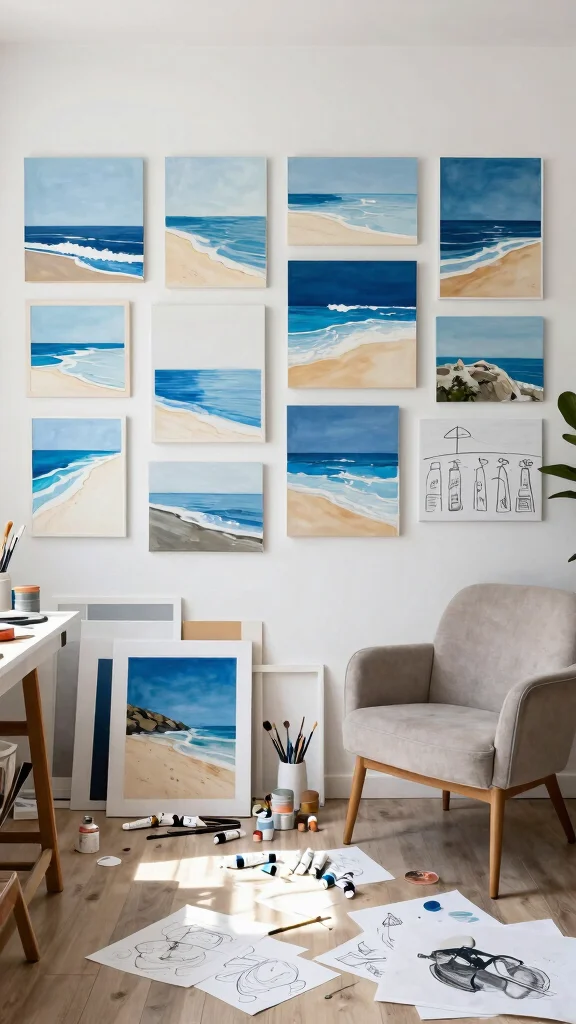
Establishing a theme is foundational when curating your wall art arrangement. A well-defined theme, whether based on a color palette or a specific style like minimalism or vintage, fosters visual unity and appeal. For example, if you choose a botanical theme, opt for artwork showcasing greens, florals, and nature-inspired designs, creating a serene and refreshing atmosphere that complements your decor.
To implement this effectively, think about mixing different artwork styles while remaining true to your theme. You can find budget-friendly options at local thrift stores or online marketplaces. Personal touches, like family photos or travel souvenirs, can enhance the narrative and emotional connection to your display.
Consider these tips to bring your theme to life:
– Pair monochromatic pieces to create depth and sophistication.
– Incorporate personal mementos to add character and warmth.
– Experiment with layouts on the floor before hanging them up.
Your theme will guide your artistic choices, leading to a beautifully cohesive display that feels intentional and inviting.
2. Consider the Scale
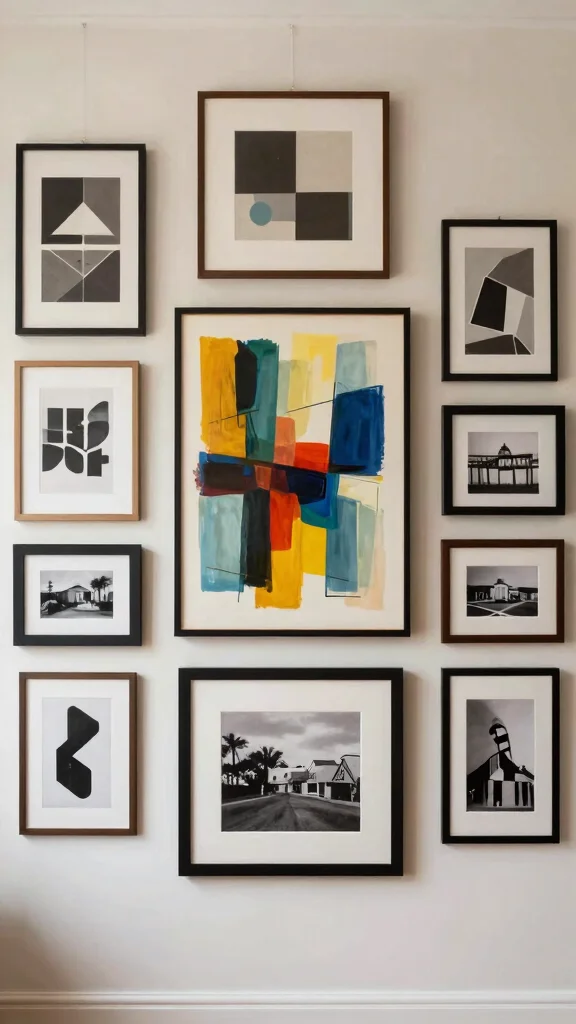
Understanding scale is pivotal for wall art arrangement. Large artworks can dominate a space and serve as focal points, while smaller pieces fill gaps and create balance. This thoughtful approach prevents your gallery wall from appearing cluttered and enhances visual harmony.
Hang larger pieces at eye level to attract attention, and surround them with smaller artworks for balance. If your standout piece is a vibrant landscape, complement it with subtler works that allow it to shine without competition.
Here are some practical tips to consider:
– Group sizes by placing smaller pieces around a larger one.
– Evaluate the visual weight to maintain equilibrium in colors and designs.
– Keep spacing consistent at 2-5 inches for a polished look.
By minding the scale and proportions, your wall will exude a curated and sophisticated style.
3. Create a Layout Plan
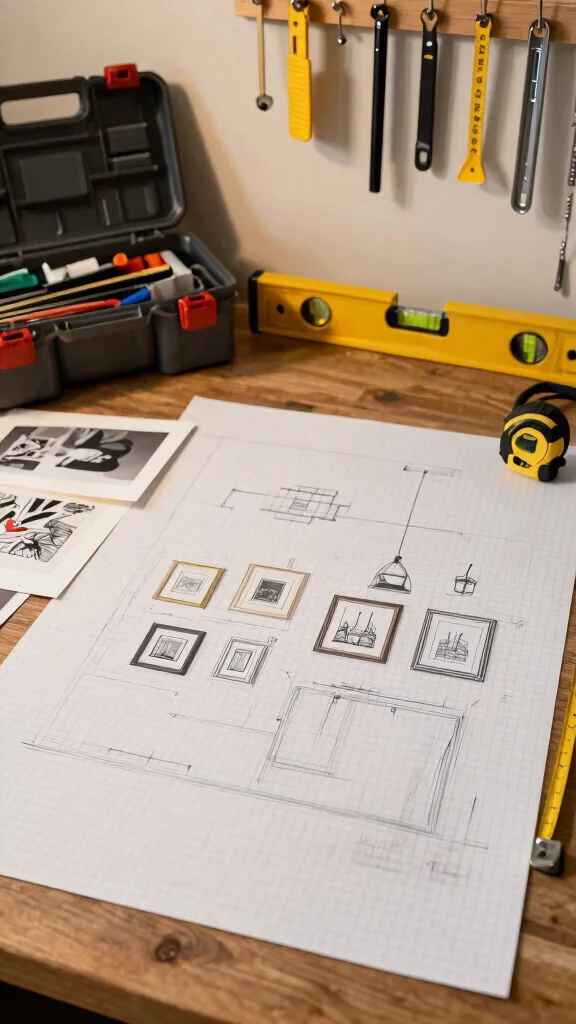
Before mounting any art, sketching out a layout plan is invaluable. Utilizing paper or painter’s tape on the wall allows you to visualize your arrangement and avoids unnecessary holes. This playful exploration helps you experiment with various configurations before making a commitment.
.Popular layout styles include grid, salon, and linear. A grid offers a clean appearance, while a salon-style display adds an artistic flair. Linear arrangements can accentuate narrow spaces, guiding the eye across the wall.
Try these techniques for an effective layout:
– Sketch your wall on graph paper for precise dimensions.
– Use painter’s tape to outline art pieces on the wall for trial arrangements.
– Capture photos of different setups to evaluate your favorites.
Having a solid layout plan not only streamlines the hanging process but also ensures your arrangement feels cohesive and well-thought-out.
4. Use a Variety of Frame Styles

Frames play a vital role in enhancing your wall art’s presentation. A mix of frame styles adds depth and intrigue to your gallery wall, allowing each piece to shine in its unique way. Combining materials like wood, metal, and acrylic can create a dynamic visual experience.
.For example, pairing rustic wooden frames with sleek black metal can highlight contrasts and engage viewers. Consider varying frame shapes, such as circles or ornate styles, to add interest and break up the monotony of rectangles.
Follow these guidelines for frame selection:
– Keep some consistency in color or style across frames.
– Choose frames that reflect your personal taste and complement the room’s decor.
– Ensure frame colors complement the artwork rather than clash with it.
Thoughtful frame choices elevate your artwork, resulting in a gallery wall that’s layered and sophisticated.
5. Play with Colors

Color plays a crucial role in setting the mood for your gallery wall. Think about your room’s color palette and the emotions you want to evoke. Do you aim for a warm, inviting vibe or a vibrant, energetic feel?
.Using artwork with complementary colors fosters unity, while contrasting hues add excitement. If your room is neutral, infuse color through your art pieces for visual interest. Conversely, in a vibrant space, opt for muted or monochromatic art to maintain balance.
Consider these color strategies:
– Learn basic color theory to understand interactions.
– Introduce accent pieces that incorporate a new color to draw attention.
– Layer different textures, such as prints and textiles, for added color dynamics.
Thoughtful color choices can evoke emotions and make your gallery wall a captivating focal point.
6. Mix Mediums
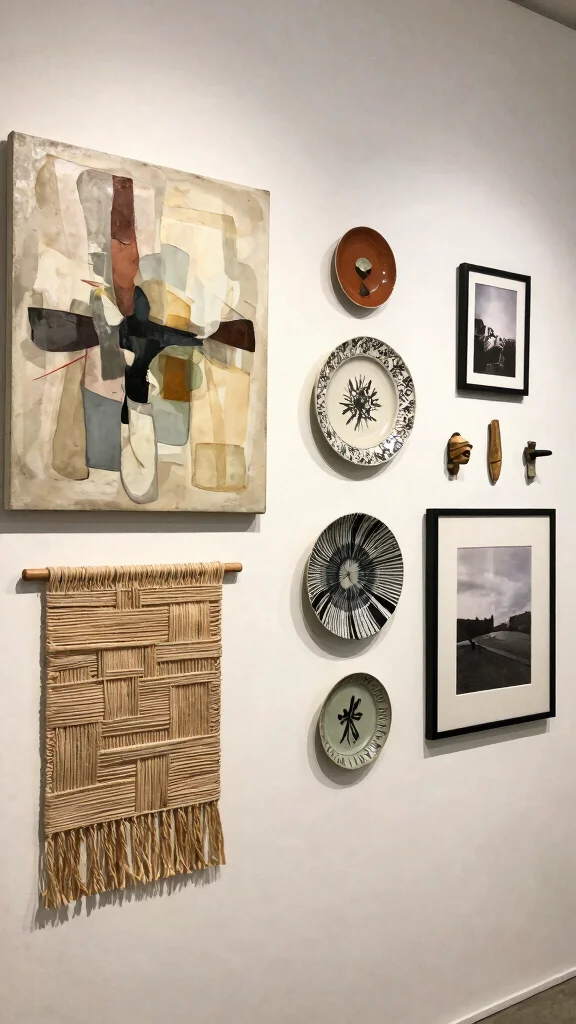
Incorporating various mediums in your wall art arrangement adds depth and visual interest. Combining paintings, prints, textiles, and three-dimensional objects creates a rich, layered effect that invites exploration.
.For instance, display a vibrant canvas painting alongside a macramé wall hanging to create a captivating contrast. Ensure that all mediums harmonize with your overall theme to maintain coherence.
Try these ideas to mix mediums effectively:
– Balance different materials by pairing soft textiles with hard frames.
– Introduce textured elements to break up the flatness of traditional art.
– Consider unconventional items, like sculptures or decorative plates, as focal points.
.Mixing mediums can transform a simple gallery wall into a dynamic storytelling collection.
Fun fact: Mixing three different mediums—paintings, textiles, and three-dimensional objects—can boost perceived depth by up to 40% in wall art placement. This simple mix makes your gallery wall feel layered, cohesive, and instantly more engaging.
7. Create a Focal Point
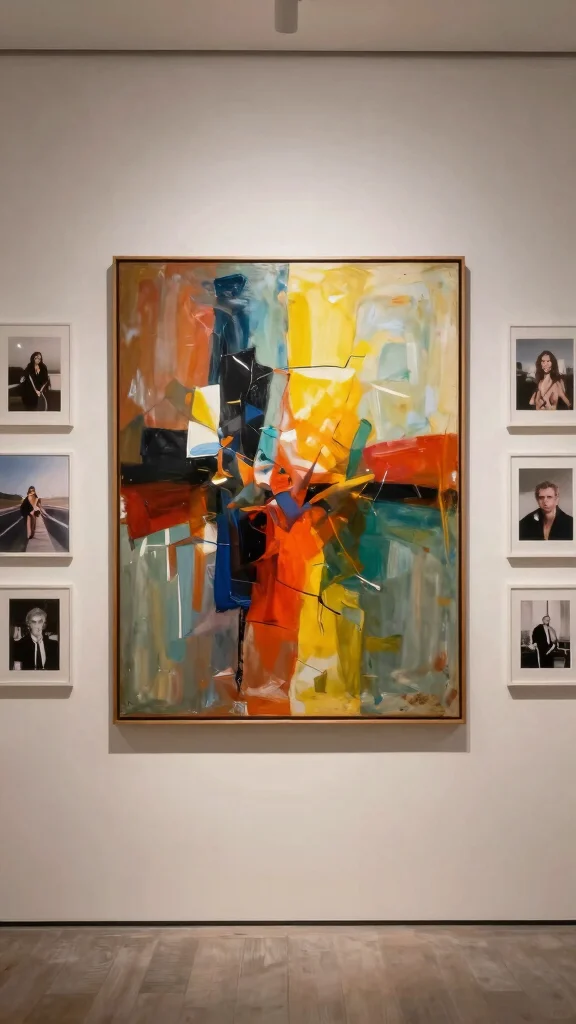
A focal point is essential in any gallery wall, anchoring the display and drawing the viewer’s attention. This could be a standout piece of art or a unique arrangement that captivates the eye.
.Identify the piece that resonates with you most, whether it’s a striking painting or a cherished photograph. Position this focal point at eye level and arrange smaller pieces around it for balance.
Here are some methods to highlight your focal point:
– Use lighting to draw attention, like spotlights or wall sconces.
– Incorporate contrasting colors or styles around the focal point for added impact.
– Layer three-dimensional pieces in front of artwork for depth.
.Focusing on a central piece creates a memorable gallery wall that leaves a lasting impression.
8. Align with Furniture
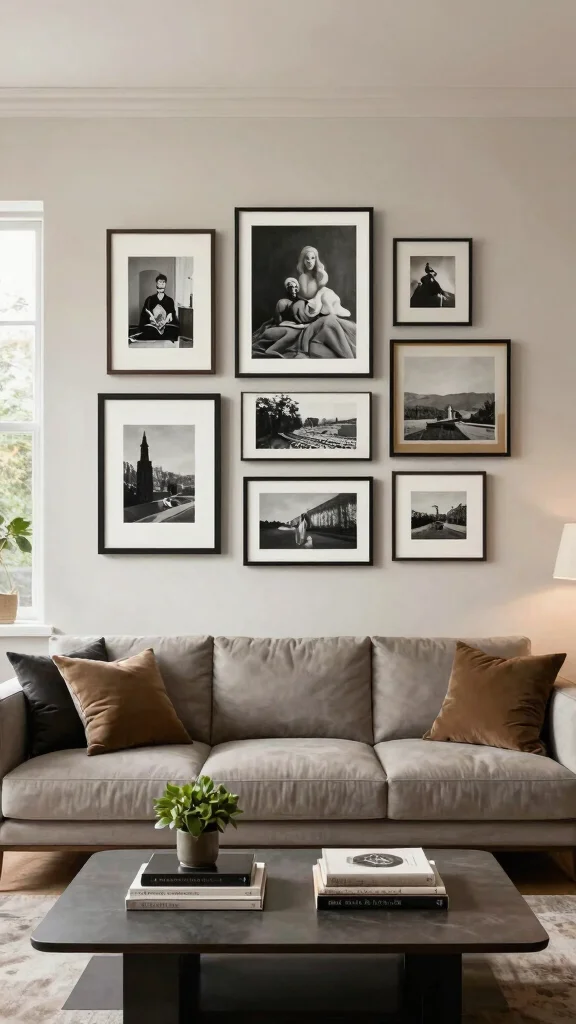
When arranging wall art, consider how it interacts with your furniture. Aligning artwork with furniture creates a cohesive flow and enhances the overall aesthetic of the room.
.Position artwork above sofas or console tables to complement the furnishings below. Consistent spacing of 6 to 12 inches above furniture maintains a polished look, while high ceilings allow for art placement higher up to draw the eye.
Here are some tips for aligning art with furniture:
– Group pieces over furniture to create a balanced, gallery-like atmosphere.
– Match the size of artwork to the scale of your furniture for harmony.
– Add decorative objects like vases to bridge the gap between furniture and art.
.By aligning your artwork with furniture, you foster a warm and inviting environment.
How To Choose the Right Wall Art Placement
When you’re ready to showcase your personality through wall art, selecting the perfect placement is key. The right position not only enhances your space but also creates a harmonious atmosphere. Here are some essential tips to help you choose the best wall art placement in your home.
1. Consider the Scale
The size of your artwork matters. Large pieces can dominate a wall, while smaller pieces can get lost if not arranged thoughtfully. Measure the wall space you want to fill and choose art that complements the area. For example, a large canvas works well over a sofa, while smaller framed pictures suit narrow hallways or cozy nooks.
2. Create a Layout Plan
Before hammering in nails, sketch a layout plan. You can use painter’s tape to outline the placement on the wall. This visual guide allows you to see how different pieces work together without making permanent changes. It also helps ensure each piece has enough breathing room.
3. Align with Furniture
Your wall art should align well with your furniture. For instance, hang your pieces at eye level above a couch or a side table. This creates a cohesive look and anchors the art to your living space. A good rule of thumb is to hang artwork 6-8 inches above furniture pieces to maintain balance.
4. Experiment with Height
Different rooms call for different heights. In a living room with high ceilings, consider placing artwork higher up to draw the eye upwards. In contrast, in cozy spaces like bedrooms, lower placement can make the area feel more intimate. Adjust accordingly based on where you want the focus to be.
5. Use the 60-30-10 Rule
This rule is a great guide for balancing colors in a space. Use 60% of a dominant color, 30% of a secondary color, and 10% of an accent color. When selecting wall art, find pieces that fit within this color ratio. This helps create a visually appealing arrangement that doesn’t overwhelm the senses.
6. Don’t Be Afraid to Change It Up
Your wall art should evolve just like your tastes do. Don’t hesitate to rearrange or swap out pieces from time to time. This not only keeps your décor fresh but also gives you a chance to showcase different aspects of your personality and interests.
7. Consider Artwork Orientation
The orientation of your artwork can change the perception of space. Vertical pieces can make a room feel taller, while horizontal pieces can create a sense of width. Mix both orientations for a dynamic gallery wall. Keep in mind how these positions interact with the overall flow of the room.
Pro Tip:
Take photos of your arrangement before making it permanent. This allows you to see different perspectives and make adjustments as needed without the pressure of commitment. It’s a simple way to ensure you love your arrangement before drilling any holes!
Choosing the right wall art placement involves a mix of creativity and consideration. By following these tips, you can create an inviting and stylish environment that reflects your unique taste and enhances your home decor. Happy decorating!
9. Experiment with Height
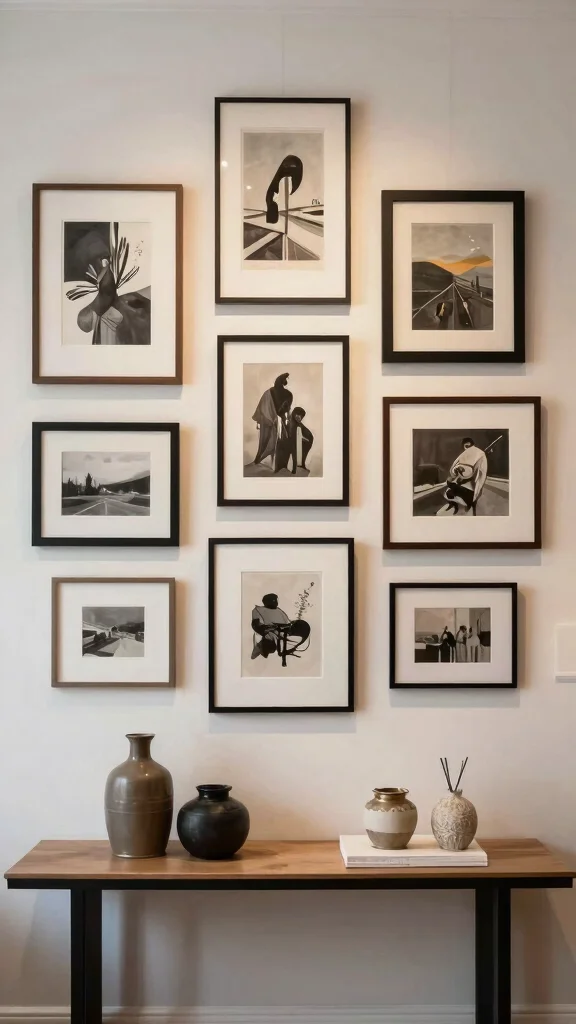
Varying the height of your artwork can infuse drama and interest into your gallery wall. Instead of a straight line, consider placing pieces at different heights to create movement and visual intrigue.
.An asymmetrical arrangement, with smaller pieces hung higher, can guide the eye naturally across the display. This technique is particularly effective for highlighting specific sections of your wall or room.
Consider these strategies for height variation:
– Use shelves or ledges to display art at different heights for easy rearrangement.
– Aim for eye level at about 57 to 60 inches from the floor for optimal viewing.
– Ensure the arrangement feels balanced while maintaining a lively flow.
.Experimenting with height enhances the visual journey your gallery wall provides.
10. Use the 60-30-10 Rule
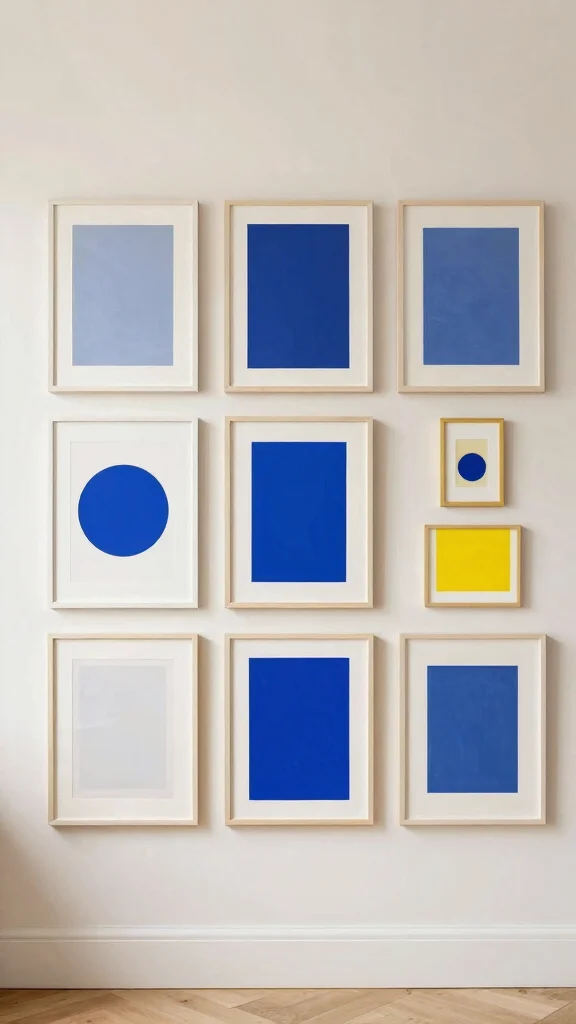
The 60-30-10 rule can be a guiding principle for wall art arrangement. This design concept suggests that 60% of your space should feature a dominant color, 30% a secondary color, and 10% an accent color, creating a balanced aesthetic.
.For example, if your primary color is a soft gray, pair it with a bold navy and add accents of mustard in smaller pieces. This method fosters a deliberate flow, preventing your wall from feeling chaotic or disjointed.
Implement these tips for effective color distribution:
– Choose base colors aligned with your artwork and room’s palette.
– Limit your color palette to maintain visual unity.
– Use accent colors sparingly in smaller pieces for interest without overwhelm.
.Applying the 60-30-10 rule will help you make thoughtful decisions that enhance your wall art and overall decor.
Fun fact: the 60-30-10 rule for wall art placement guides the eye with color balance. 60% dominant color, 30% secondary, and 10% accent create a cohesive gallery wall that feels intentional, not chaotic.
11. Add Lighting
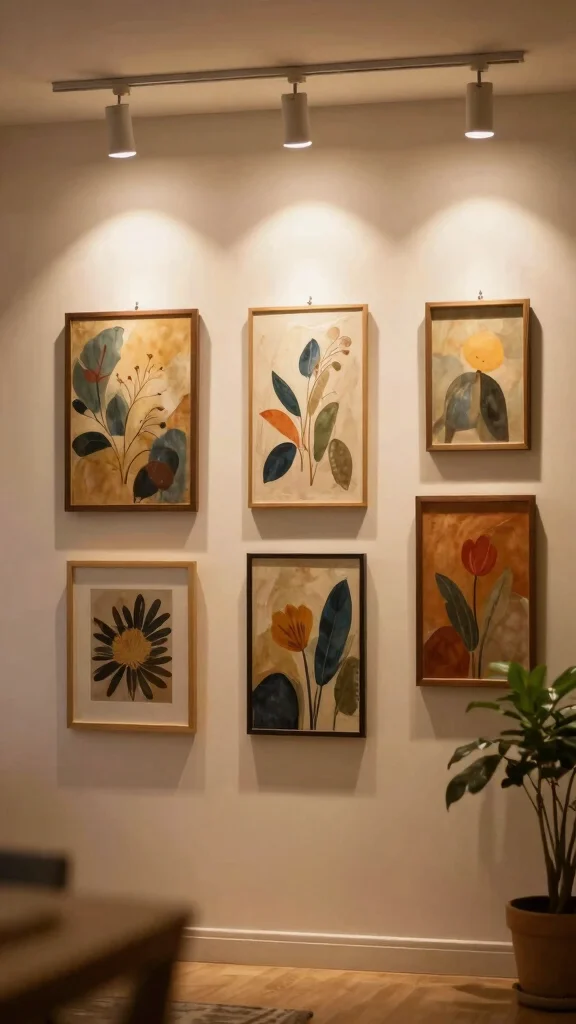
Lighting can significantly enhance your gallery wall’s impact. Thoughtful lighting not only highlights your artwork but also sets the mood and ambiance of the room.
.Consider using spotlights, picture lights, or wall sconces to showcase your favorite pieces. For an added touch, LED strip lights behind certain artworks can create a soft glow, while general lighting should be soft to minimize glare.
Here are some lighting tips to consider:
– Use adjustable spotlights to target specific artworks for emphasis.
– Install dimmers to control light intensity and change the room’s mood.
– Combine ambient and accent lighting to create depth and interest.
.Integrating lighting into your gallery wall can elevate its presence, making the entire space feel curated and intentional.
12. Don’t Be Afraid to Change It Up
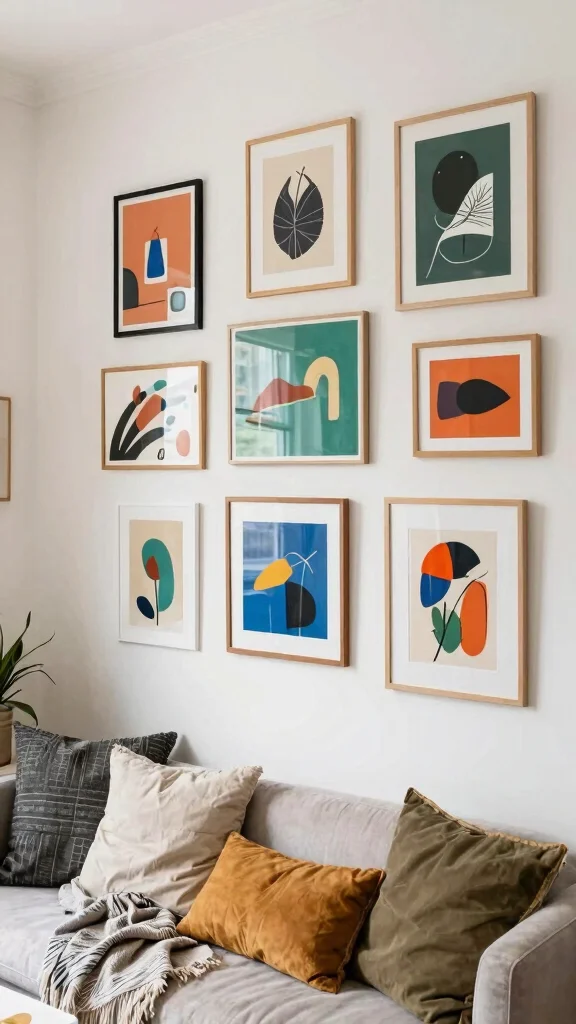
One of the joys of wall art arrangement is the freedom to refresh it whenever you desire. As your tastes change or you acquire new pieces, embrace the opportunity to revitalize your gallery wall for a lively atmosphere.
.Rotating artwork seasonally can bring new energy to your decor. For example, display bright, cheerful pieces in summer and switch to cozy, muted tones in winter. This keeps your home dynamic and allows you to enjoy various beloved pieces without permanent commitment.
Try these ideas for refreshing your wall:
– Swap artwork seasonally to reflect different moods or holidays.
– Experiment with changing just a few pieces for a fresh look.
– Create a designated space for off-display artworks for easy rotation.
.Embracing change keeps your gallery wall feeling vibrant and reflects your evolving style.
Fun fact: rotating wall art can refresh your space in about 15 minutes and boost wall art placement impact without committing to new pieces. Try swapping a bright summer piece for something cozy in winter to keep your gallery wall dynamic.
13. Consider Artwork Orientation
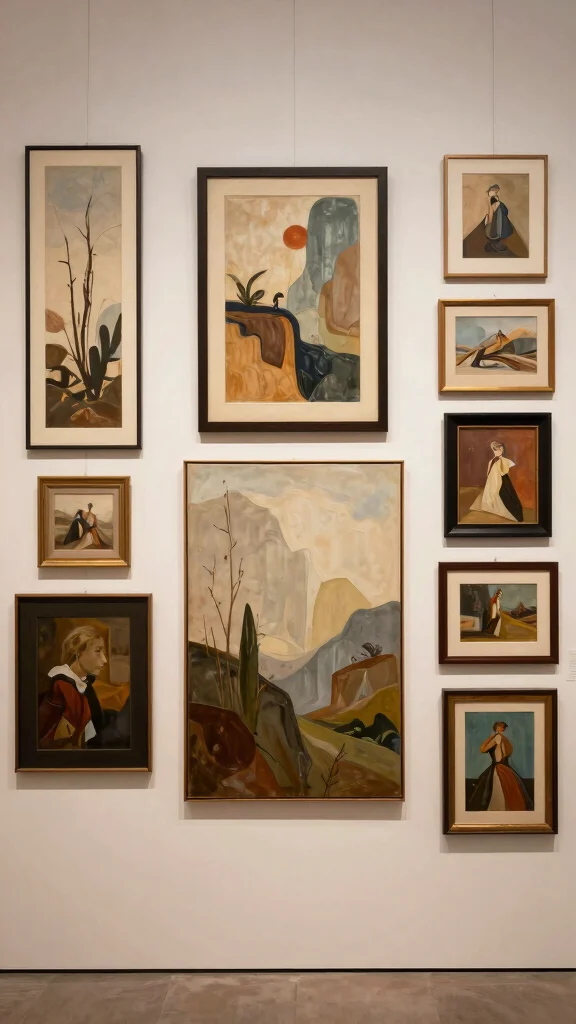
The orientation of your artwork—vertical or horizontal—can significantly influence the feel of your gallery wall. Each orientation offers unique visual effects and can enhance different aspects of your space.
.Vertical pieces can create an illusion of height, ideal for narrow spaces, while horizontal pieces evoke a sense of width and openness. Mixing orientations within your arrangement adds visual interest and guides the eye across your display.
Keep these points in mind for effective orientation:
– Balance vertical and horizontal pieces to prevent one from overwhelming the other.
– Consider framing styles that suit each orientation for a cohesive look.
– Ensure the orientations interact to create a natural visual flow.
.By thoughtfully considering artwork orientation, you can enhance your gallery wall’s narrative and overall aesthetic.
Conclusion
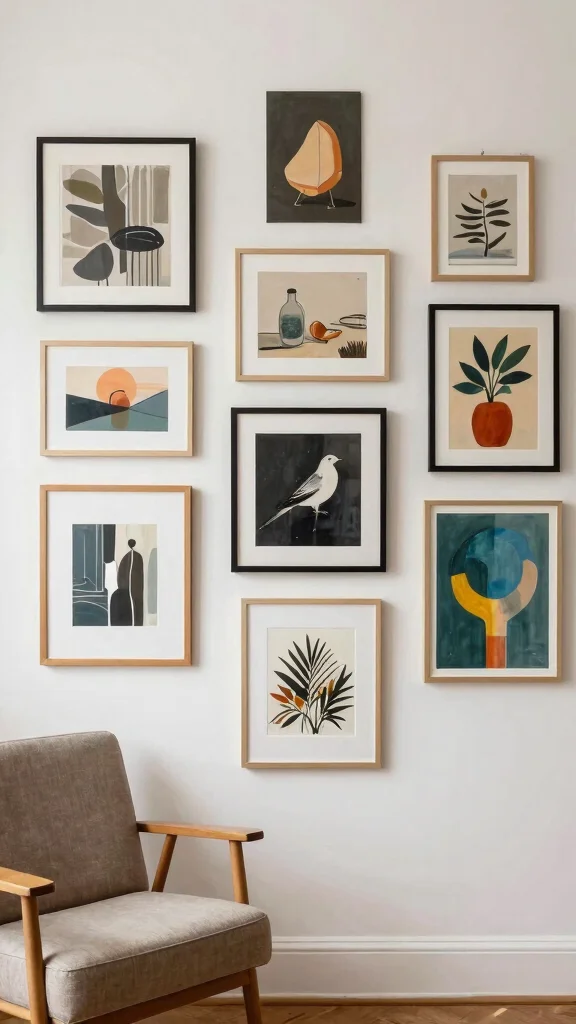
Crafting a gallery wall that feels perfect is all about balance, creativity, and personal expression. By following these tips on wall art placement, you can create a visual narrative that reflects your style and breathes life into your home decor. Don’t be afraid to experiment, have fun, and change things up as your tastes evolve.
Your walls are a canvas for your personality, so let each piece tell a story that’s uniquely yours.
Note: We aim to provide accurate product links, but some may occasionally expire or become unavailable. If this happens, please search directly on Amazon for the product or a suitable alternative.
This post contains Amazon affiliate links, meaning we may earn a small commission if you purchase through our links, at no extra cost to you.
Frequently Asked Questions
What’s the best way to plan wall art placement for a gallery wall?
Start by measuring your wall and choosing a focal piece to anchor the layout. Decide between a tight grid or a relaxed salon style to guide wall art placement and create the overall gallery wall design you want.
Next, build a floor or paper mockup: lay out cutouts of frame sizes on the floor or tape outlines on the wall, spacing consistently (about 2–4 inches between frames; adjust for very large walls). This becomes your wall art arrangement blueprint.
Hang at eye level with the center around 57–60 inches from the floor, and keep furniture alignment in mind so the whole group feels balanced.
Finally, test the layout with removable mounting strips or light holes on a mock grid before committing to holes, ensuring your wall art placement stays intentional and visually cohesive.
How should I space and align artworks for a cohesive wall art arrangement?
Consistency is your friend when building a cohesive wall art arrangement. Choose between a strict grid or a more freeform salon layout and map a starting axis. Use templates or cut paper of each frame size to pilot the spacing before hanging. A common rule of thumb is 2–4 inches between frames, with larger gaps if you have a very expansive wall. Align either the top edges for a clean grid or the centers for a relaxed feel, and keep a shared theme such as color or subject to tie pieces together for a strong gallery wall design.
What can I do if my frames vary in size or art styles but I want a harmonious look?
Start with a unifying element like a shared color palette or frames in similar tones to create instant harmony. Use a large anchor piece and arrange smaller frames around it in a planned grid or a deliberate staggered layout. Keep a consistent matting or spacing to visually unify disparate works, and group pieces with complementary subjects or hues to reinforce your interior design ideas.
Test the arrangement on the floor first and map positions on the wall with painter’s tape to avoid a chaotic look while maximizing wall space.
What height should I hang wall art and how should I position a gallery above furniture?
For most spaces, aim to hang the center of each piece about 57–60 inches from the floor to hit that comfortable-eye level range for wall art placement. When placing a gallery above a sofa or console, leave about 6–12 inches of space between the furniture and the lowest edge of the artwork to keep the group feeling cohesive. If you have multiple pieces, a good rule is that the total gallery width should be roughly two-thirds of the furniture width. These practical guidelines support a balanced gallery wall design and solid artwork positioning.
How can I refresh a gallery wall on a budget without sacrificing style?
Rotate art by swapping in new prints or frames you already own to keep the look fresh using smart home decor tips. Print affordable reproductions or use free online resources to create new looks, then swap posters in the same frame family to preserve the gallery wall design. Reuse frames and matte boards, or add floating shelves to display small 3D pieces for dimension. Use removable mounting strips to test layouts before committing. This approach proves that wall art placement can stay stylish and budget-friendly with thoughtful updates.
Related Topics
wall art placement
gallery wall design
home decor
artwork positioning
interior design ideas
beginner friendly
minimalist arrangement
boho style
easy tips
DIY wall art
decorating small spaces
creative layouts